

Kratom Regulations Signed into Law in New York
Nearly a year after the Saratoga County Board of Supervisors passed a resolution imploring the state to pass regulations on Kratom, their request has been answered.
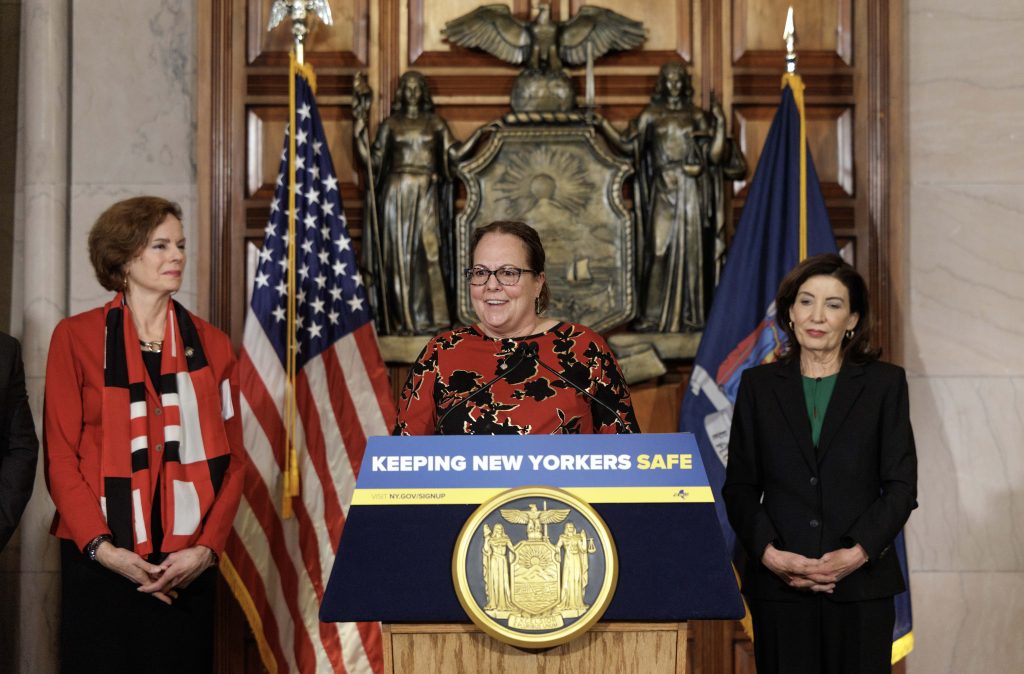
New York Governor Kathy Hochul signed two bills into law which would require warning labels on all Kratom products sold in New York and prohibit selling it to those under 21 — on par with the minimum age for substances like alcohol tabaco and cannabis.
“Warning. This product has not been approved by the FDA. Side effects may include nausea, agitation, hallucinations, difficulty breathing, liver damage, and death,” the label is required to read. In addition, advertising or packaging stating, suggesting or implying that Kratom is all natural is banned under the new law.
The law restricting age of sale of Kratom takes effect immediately while the law requiring the new labels will take effect in one year. Retailers and manufacturers who violate the new laws are subject to a maximum fine of $500 for the first offense, with manufacturers receiving a max fine of $1000 for any subsequent offenses.
“Kratom is a commercial substance that is commonly labeled an “all-natural herb”, leading people to believe it’s completely safe — but the reality is it can be extremely dangerous and unfortunately, in some cases, lethal,” Governor Hochul said. “No parent in New York should have to endure the loss of a child to a substance simply because they didn’t know what was in it. This legislation ensures transparency and strengthens our public health laws so that information about the ingredients and potential harmful risks associated with kratom are clear.”
Kratom or Mitragyna speciosa comes from a tree in Southeast Asia, according to the United States Drug Enforcement Administration (DEA) — which has placed it on its “Drugs of Concern” list. In low doses, the substance has a stimulant effect while at high doses, the substance has the opposite effect, according to the DEA.
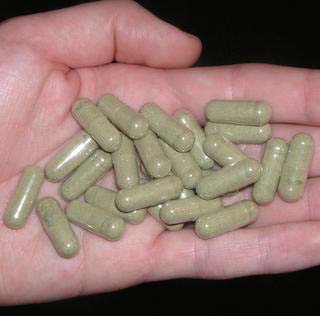
According to the Food and Drug Administration (FDA), there are no drugs, dietary supplements, or food additives approved for use in the United States. Both the FDA and DEA have warned against use of the substance due to health concerns and the high potential for addiction. Both agencies have also acknowledged a lack of research on the matter.
While there hasn’t been any federal action on the matter, some states have implemented regulations on the substance. According to the Legislative Analysis and Public Policy Association, 24 states plus D.C. have regulated the substance with six states (Alabama, Arkansas, Indiana, Rhode Island, Vermont, and Wisconsin) plus D.C. classifying it as a controlled substance.
New York’s laws were prompted by the Nov. 2024 death of Saratoga County Sewer District worker, Nickolas Scribner and the subsequent advocacy of his mother, Cari. In Feb. 2025, she addressed the Saratoga County Board of Supervisors about her son’s death and the actions needed on the matter.

“Nick had a very common affliction: insomnia. Since he was a child, he could not sleep,” his mother, Cari Scribner said, as previously reported by Saratoga TODAY. “A friend told him about an herbal, all-natural energy enhancer to overcome fatigue with no side effects. This substance was kratom. Of all the adults that I’ve talked to about it about 10% have heard of it; of all the kids I’ve talked to about it, it’s 100%.”
According to Scribner, her son did not mix the substance with other drugs or alcohol and asphyxiated from the contents of his own stomach while sleeping on his back. After the death of her son Scribner began pushing for more regulations on Kratom in order to prevent other parents from going through what she went through.
These efforts worked. By the time Scribner addressed the board, four pieces of legislation had been introduced at the state level to regulate Kratom. The next month, the Saratoga Country Board of Supervisors passed a resolution urging the state to take action on the substance.
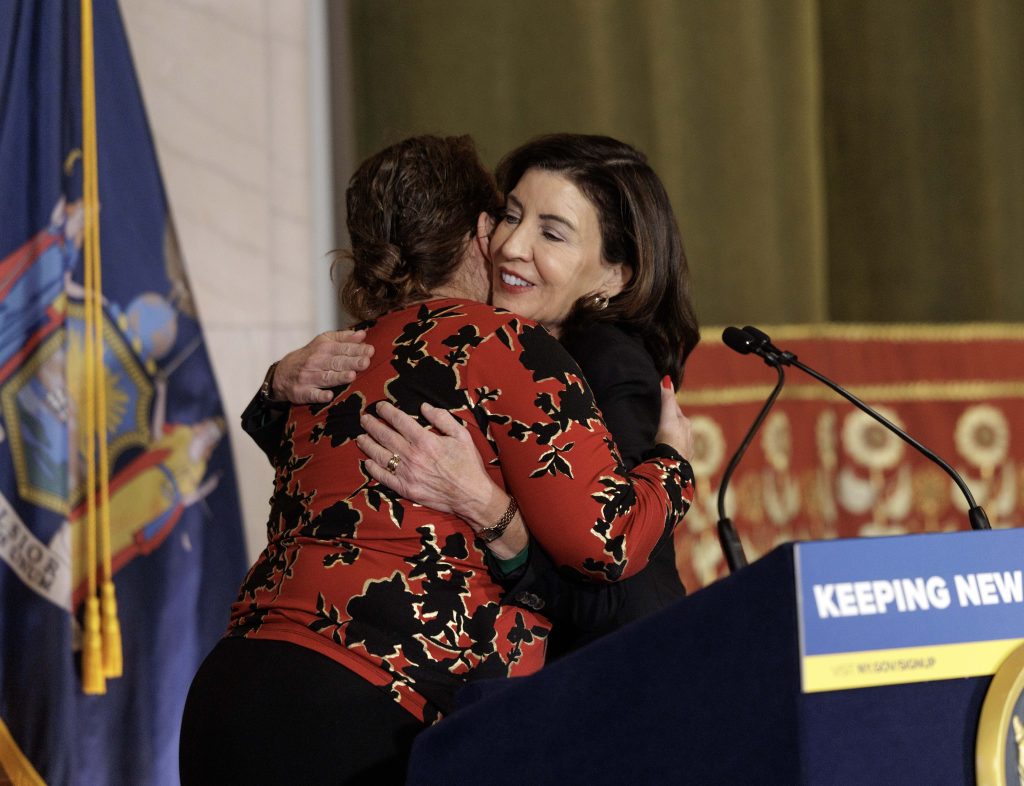
In signing the bills into law, Governor Hochul thanked Scribner for her efforts championing the legislation.
“Given the choice to retreat into the pain and the anguish of the unspeakable loss of a child, or to turn around and try to save other families from knowing the pain that she and her family have experienced because of the loss of her beloved son, she [Scribner] became a fierce advocate,” Governor Hochul said.
Scribner also spoke at the signing and thanked the Saratoga County Board of Supervisors and state legislators for their support in passing regulations. She said in going to legislators, she received nothing but empathy and respect.
“I am grateful for all the support of these new laws restricting kratom and protecting people from potentially serious and lethal side effects,” Scribner said. “We are spreading the word about kratom being a drug, not an herb, to keep other families from suffering the loss my family underwent.”
Correction: A previous version of this article incorrectly listed the effective date of the laws at January 1. This has been updated with the correct information.