

The Global Seesaw: Why Oil Prices Still Rule Our World
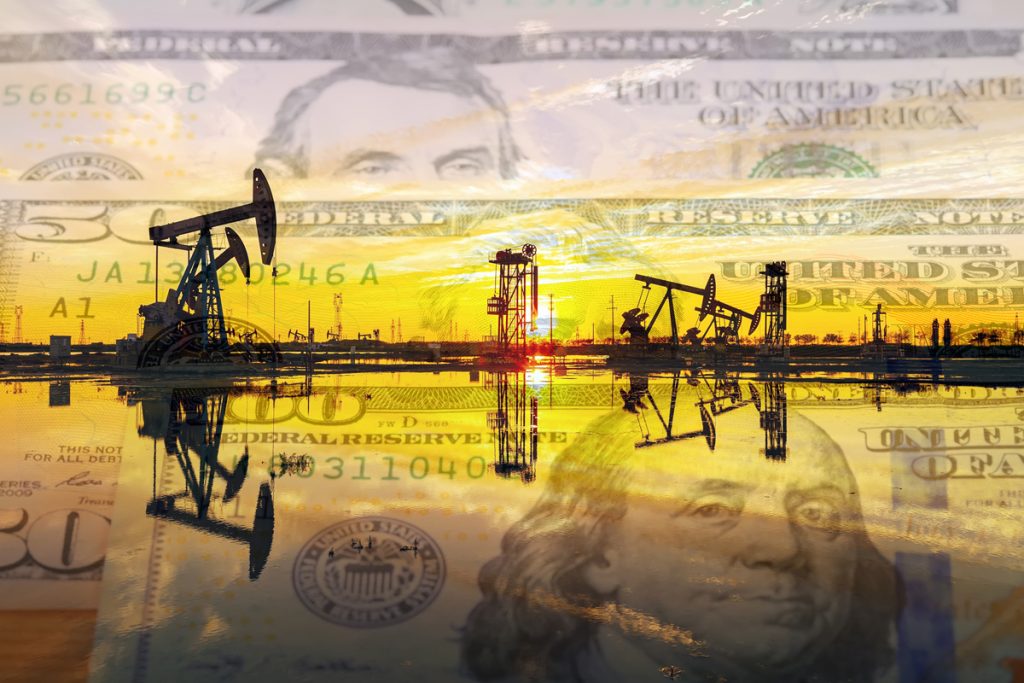
When we think of oil, most of us picture the numbers ticking upward at the gas pump. But in the grand machinery of the global economy, oil is less like a simple fuel and more like the blood in the veins of modern commerce. Whether you’re buying a head of lettuce or a high-tech laptop, its journey to you was paved with petroleum.
As we’ve seen in the past few weeks, the “price of a barrel” isn’t just a stat for Wall Street; it’s a pulse check for global stability.
The Middle East remains the heart of global oil production. However, it’s not just about the oil under the sand; it’s about the narrow stretches of water through which that oil must travel. The Strait of Hormuz, a tiny chokepoint between Oman and Iran, handles roughly 20% of the world’s oil supply.
When tensions flare—as they did recently with the military strikes involving the U.S., Israel, and Iran—the market doesn’t wait for a physical shortage to happen. It reacts to uncertainty. This is known as a “risk premium.” Traders start betting that supply might be cut off, which sends prices skyrocketing. In early March, we saw Brent crude leap toward $120 a barrel almost overnight simply because the world held its breath.
High oil prices act like an “invisible tax” on everyone. Here is how that spike at the source ripples through your life:
• The Grocery Bill: Farmers use diesel for tractors and petroleum-based fertilizers. Truckers need fuel to deliver the food. When oil goes up, the price of your morning avocado toast follows.
• The Amazon Effect: Shipping and logistics companies face massive fuel surcharges. To protect their profit margins, they pass those costs down to the consumer.
• The Inflation Headache: Central banks (like the Federal Reserve) watch oil closely. If energy costs stay high, it drives up overall inflation. To fight this, they might keep interest rates higher for longer, making your mortgage or car loan more expensive.
The true danger of Middle Eastern uncertainty isn’t just the price of a gallon of gas; it’s the paralysis of investment. When CEOs don’t know if energy costs will double next month, they hesitate to build new factories or hire more staff. This “wait-and-see” approach can slow down the entire global engine, leading to stagnation.
While the world is sprinting toward a “green” future, we aren’t there yet. For now, we are still tethered to the geopolitical winds of the Persian Gulf. A single drone over a refinery or a closed shipping lane can still dictate whether the global economy grows or grinds to a halt.
Stephen Kyne, CFP® is a Partner at Sterling Manor Financial, LLC
Sterling Manor Financial, LLC is an SEC Registered Investment Advisor and does not provide tax or legal advice, nor is it a third-party administrator. Consult your attorney or accountant prior to implementing any tax or legal strategies.