

Governor Signs Bill Banning Synthetic Kratom
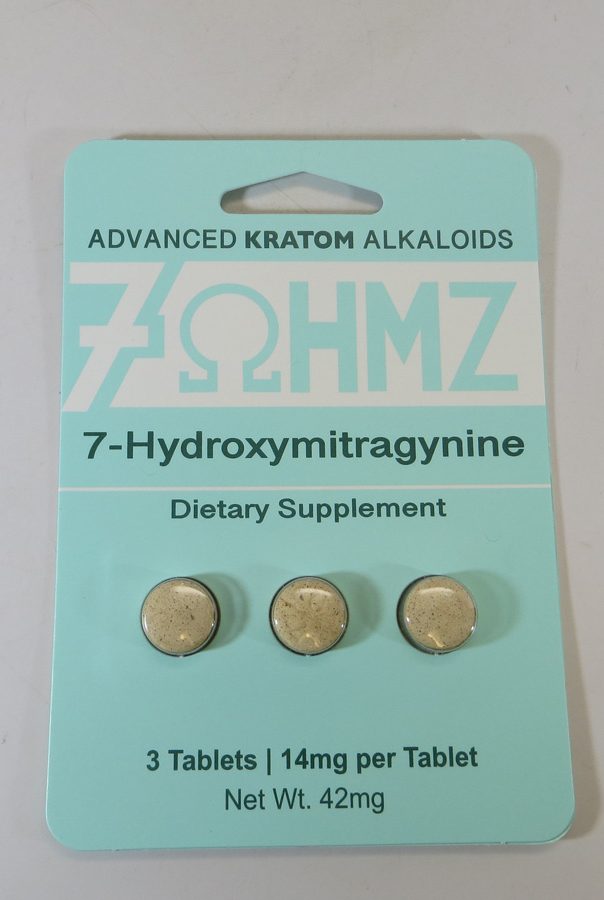
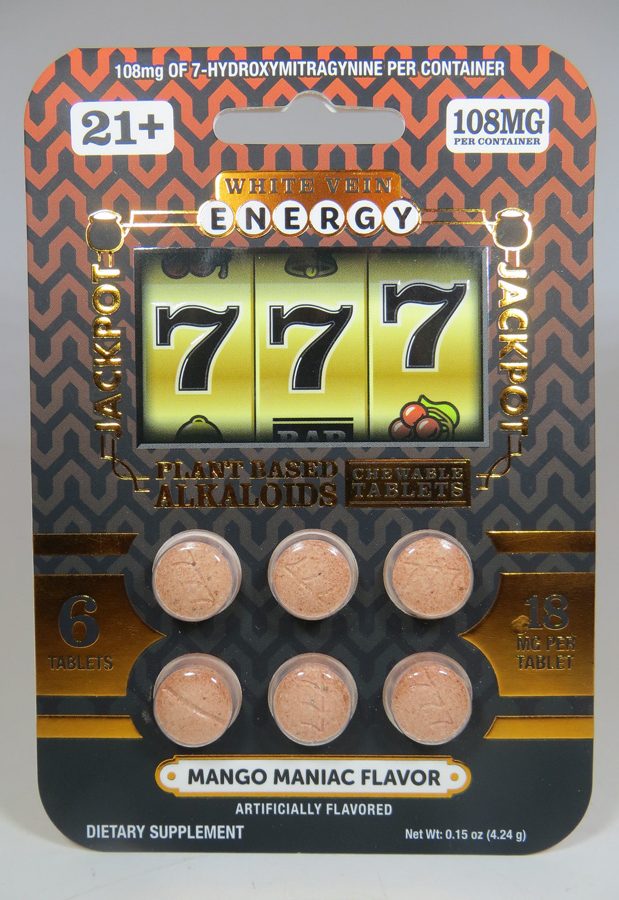
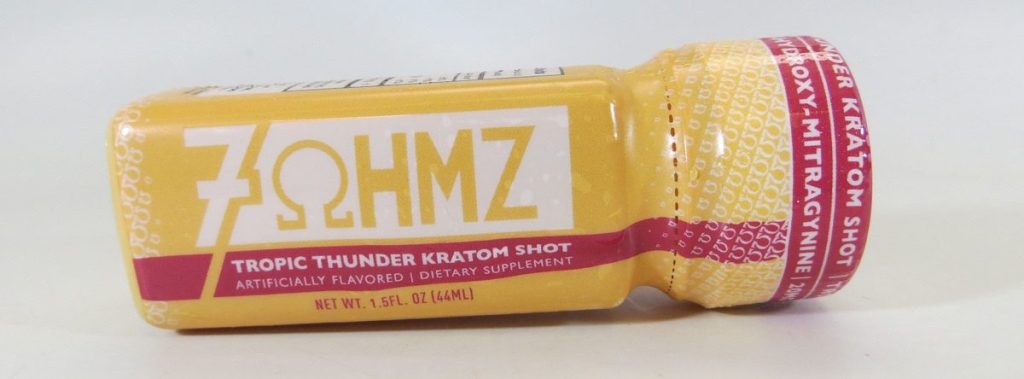
About a year after imposing restrictions on the sale of Kratom in New York, Governor Kathy Hochul has signed a law banning the sale of synthetic derivatives of the substance.
Under the law, any product which contains 7-hydroxymitragynine (7-OH), a compound found in natural Kratom, at certain levels and imposes monetary fines for any business caught selling it in New York. For a product to fall under the ban, the level of 7-OH must exceed two percent of total alkaloids or one milligram per serving.
The law comes less than a year after Hochul signed legislation which required Kratom products sold in New York to have a warning label and restricted the sale to individuals 21 and older. It also comes about a month after the Saratoga County Board of Supervisors voted 17-4 to ban all Kratom products from being sold in Saratoga County.
“New Yorkers deserve confidence that products sold in neighborhood stores are not exposing them to dangerously concentrated opioid-like compounds without important safeguards,” Governor Hochul said in a statement. “As Governor, I will always protect the safety of New Yorkers by ensuring manufacturers and retailers aren’t putting potentially dangerous products on store shelves and passing them off as all natural substances.”
While there is currently no federal law on Kratom or 7-OH, the DEA has issued a notice of intent to schedule high concentrations of the substance as a schedule-1 drug due to its opioid-like qualities and concerns about uses and marketing of the substance.
“Evidence suggests that commercially available products, including extracts and synthetic formulations, contain a significantly higher concentration of 7-hydroxymitragynine than what is found in botanical M. speciosa,” The notice said. “These products are commonly sold on the internet and in retail outlets, such as gas stations and smoke shops, in various forms, including powders, tablets, gummies, and sublingual films designed for rapid absorption. To date, the safety profile of these concentrated products in humans remains unknown because no controlled clinical trials have been conducted to establish safe consumption limits or standardized dosing.”
The law was introduced in the State Senate on January 16, 2026, by Senators Jacob Ashby (R-43), Patricia Fahy (D, WF-46), Peter Harckham (D, WF- 40) and Dean Murray (R, C- 3) and two additional cosponsors. In the Assembly, the law was first introduced on Oct. 17, 2025, by Mary Beth Walsh (R, C- 112), Judy Griffin (D-21), Andrew Hevesi (D-28), and Marianne Buttenschon (R, C- 119) and eight additional cosponsors including Matt Simpson (R, C- 114) and John T. McDonald III (D-108).
The law was passed by both houses unanimously in June and was signed by Governor Hochul on Nov. 23.
In a statement, Walsh, who represents parts of Saratoga County in the south, praised the signing of the law and spoke about the impact of it on the area.
“This issue is deeply personal,” Walsh said. “Young people in our own district have tragically lost their lives following kratom use, leaving families and an entire community to cope with unimaginable heartbreak. We have a responsibility to take these risks seriously and do everything we can to prevent further tragedies. Banning the sale of synthetic 7-OH is an important step toward stronger protections, greater public awareness, and ensuring fewer families have to endure this kind of loss.”
Simpson, who represents the northwest corner of Saratoga County, also praised the signing in a statement.
“Today’s signing is an important step to get these concentrated, synthetic products off store shelves and out of gas stations,” said Simpson. “We’ve seen the real human cost in communities across New York, including the heartbreaking loss of Nick Scribner in Ballston Spa. Families should not have to learn the hard way that products marketed as natural or harmless can lead to addiction and tragedy. I’m glad we were able to work across party lines to make this happen.”
The punishment for violating the law is $500 for the first violation and up to $1,000 for subsequent offenses. Money recovered through these fines is set to be directed into the New York State Drug Treatment and Public Education Fund.
The law goes into effect 90 days from the signing of the legislation.