

A Conversation with Michael Veitch, the National Museum of Racing Historian
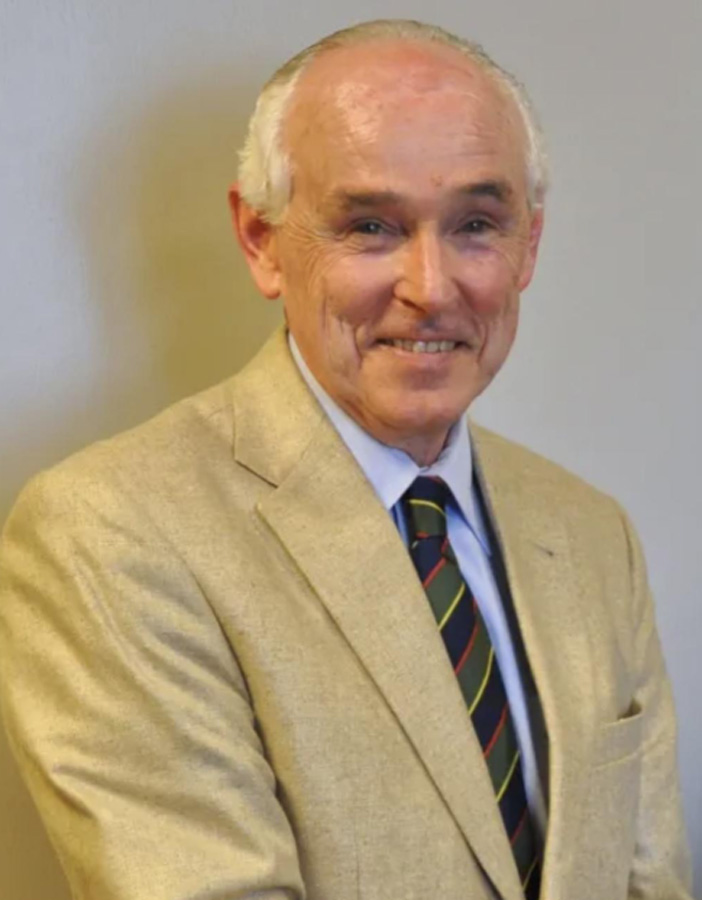
Photo of Michael Veitch provided.
Michael Veitch is a lifelong resident of Saratoga Springs. His lineage includes his great uncle, trainer Sylvester Veitch, along with a cousin John who conditioned the likes of Alydar and Davona Dale. Both of those relatives are members of the Hall of Fame. With a family tree bearing that kind of fruit, Mike was destined to a life that would be consumed by “the sport of kings.”
Let’s take a quick look at his resume. Mike has authored four books pertaining to the sport. (It seems apropos that the publication of my interview with him will coincide with the running of the Alabama Stakes; the history of that major event is the subject of his latest book, due out this fall.) He has written articles for virtually every important racing publication in the country. He also co-hosted a television program “Down the Stretch” on the OTB channel for many years. It was a must-see for anyone with a keen interest in horse racing. He is also a former trustee of the National Museum of Racing and now holds the position of Museum Historian. Oh, I almost forgot one more thing: How about a coveted place on the Joe Hirsch Media Roll of Honor? The list is a who’s who of the greatest writers horse racing has ever known.
We are at our usual meeting place, Spot Coffee, adjacent to Franklin Square. This morning we will discuss Mike’s fabulous career and illuminating thoughts on various aspects of the sport that he cherishes. So without further delay, let the conversation begin. The questions are mine. The answers are word-for-word those of the maestro.
I asked Mike to explain the importance of the National Museum of Racing and whatmakes it so special.
“The National Museum of Racing is a living institution of our great horses, jockeys, trainers, and Pillars of the Turf, as well as a repository of arts, exhibits and historical records. The leaders of its creation in 1950 were C.V. Whitney and fellow patrons, along with the city of Saratoga Springs, and the Saratoga Racing Association.”
The museum has been totally renovated. Can you give us some of your thoughts on that?
“The trustees of the National Museum of Racing have done a wonderful job with the renovation.
It is first-class and always being upgraded. The late John Hendrickson promised that it would be a world-class museum and he and the trustees certainly delivered. It is a wonderful institution.”
What would you like to see happen that would be beneficial to the sport in the years ahead?
“I would like to see a comprehensive study of racetrack composition, along with a lesser emphasis on early speed and a greater emphasis on stamina in races for four-year-olds and up.”
Being a historian of the highest caliber, explain the allure of Saratoga as a premier destination on the worldwide horse racing map?
“Organized racing began at Saratoga in 1863, in the middle of the Civil War. Alluring, no? Coupled with its location in a small and historic, yet vibrant and world-famous city, the combination is magic. I have always loved a quote from the late judge Mike Sweeney,
‘If I am dropped out of the sky and land in Bombay, India and tell the folks I am from Saratoga Springs, they will know what I am talking about.’”
You are a huge fan of the great filly, Ruffian. Can you tell us what makes her so special to you,
and what other racehorses do you admire?
“Ruffian was a near-black filly who I truly believe was the best of either sex among the foals of 1972. She was simply in her own league. I saw her win the 1974 Spinaway Stakes, running six furlongs in 1:08 3/5 by 13 lengths. Other greats come to mind that I have witnessed include Secretariat, Bold Ruler, Kelso, Forego, Seattle Slew, and Personal Ensign.”
You had a relationship with many of horse racing’s greatest figures. Alfred G. Vanderbilt was one of them. Is there anything that you would like to share with us about him?
“He and my uncle Sylvester were backstretch neighbors. I chatted with him many mornings at his barn and again during the races. I believe he was happiest in those hours. Mr. V supported my position that the original NYRA owned the properties of Aqueduct, Belmont, and Saratoga. He was a very major player in Saratoga racing history.”
Canadian horse racing is of major interest to you. Can you give some of your thoughts as to what makes it so special?
“I have always felt that the history and the quality of racing at Woodbine is under-appreciated on our side of the border. Canada has given us the likes of Northern Dancer, Dance Smartly, Le Prevoyante, Fanfreluche, Glorious Song, and Sky Classic, among others. Then there are horsemen like Lucien Laurin, Roger Attfield, and great jockeys such as Sandy Hawley and Ron Turcotte.”
The breeding of Thoroughbred racehorses is a subject that you have great familiarity with. Who do you consider America’s greatest sires and why?
“In my opinion, they are Northern Dancer, Mr. Prospector, Native Dancer, Bold Ruler, Danzig, Storm Cat, and Seattle Slew. There are many reasons, but perhaps most important is their potency in getting high class performers in so many crops.”
I asked Mike this final question: New York racing has lost Grade 1 status with many historic races. Is there one particular event that you would like to see regain that prestigious classification?
“It saddens me to see that the Wood Memorial is no longer a Grade 1 event. It is New York’s most important race for the Triple Crown series and produced the likes of Count Fleet, Native Dancer, Nashua, Damascus, Seattle Slew and Easy Goer. I would really like to see NYRA make a major effort at restoring this great race to Grade 1 status.”
In closing, I would like to thank Mike for his valuable time and great commentary. He is a Saratoga original. His expertise in the sport we love is unmatched in today’s horse racing environment. It’s our grand city’s good fortune to have him.