Life’s a Garden, Dig it


Hello  my Foodie Friends!   

It is amazing to see how quickly the summer is going by.  During my childhood, spending time outdoors in the summer was my favorite for many reasons; sunshine and swimming, the feel of grass on my feet, the sound of the ice cream truck, melting pop sickles and ice cream cones, and playing baseball outdoors until dark. My four siblings and I would try to sleep in late during the summer days, yet we would always awake early and would roll over and talk until my mother came in to get us moving to eat breakfast. Our yard was always full of the neighborhood kids. Some of them were there before we even finished breakfast, just waiting for the five Reardon children to come out to play. Among my childhood memories include the visual of the beautiful vegetable gardens that almost every family in my neighborhood had. Don’t get me wrong because as a child I did not like working in the garden. On hot humid days, my mother would order us to weed and remove bugs from her vegetables was beyond fun! 

My childhood back yard was a discovery zone. In late August, we were given the job of helping to harvest some of the beautiful vegetables. However, the best part was getting to eat what we picked. My mother and my grandmother took much pride in how big the tomatoes or the eggplants were. 

When we would come in from playing for lunch or a snack, vegetables were always part of what was served such as a wonderful cucumber and tomato salad, zucchini, or carrot sticks (all that came from the garden). Recently, I was reminiscing with my sister about; our childhood friends and us playing Hide N Go Seek in the corn fields next to our neighborhood, the outdoor fun we had, and shared our ongoing challenge of eating those vegetables as adults that we so often were eating as children.

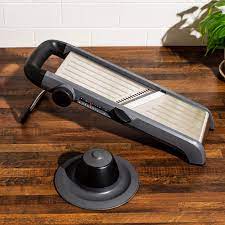
This time of year, calls for an essential tool in the kitchen – the mandoline slicer.  Do you have a mandoline slicer hiding in the back of your pantry, just begging to be used? Essentially, you can accomplish much of a mandoline’s work with a steady hand and a sharp knife. However, when slicing up zucchini, eggplant, or squash, mandoline’s cut prep time down significantly and promise consistent, even results. And they’re fun to use; especially when you need to create consistently thick or thin slices for your favorite recipe. At Compliments to the Chef, we carry several different brands of mandolines. The OXO Good Grips mandoline is a perfect tool for home chefs. It is a trusty tool through thick and thin (produce). Slice or julienne cucumbers, potatoes and more with a turn of the comfortable dial on the Chef’s Mandoline Slicer. We also carry the Benriner mandoline.  The Benriner is a smaller, less bulky Japanese mandoline. The Benriner is a high quality, sharp mandoline-style slicer that is a standard in professional kitchens. Made in Yamaguchi prefecture of Japan, the stainless steel blades are actually compressed then heat treated, and the sharpening finish is done by hand. This explains the quality of the Benriner blades, which are comparable to knives. Each mandoline includes a food holder that protects hands and the stainless steel blade quickly makes even slices. All blades store safely on board and are removable for easy cleaning. With this easy-to-use mandoline hands and fingers stay away from sharp blades at all times. Most mandoline’s come with three or four slicing blades beyond the basic blade. These allow you to slice paper thin, a little thicker (think potato chips), thick julienne (think french fries), and thin julienne. If you’re not sure how your blades will slice, invest in a few potatoes and try each setting out. It’s usually a good idea to have a few extra veggies on hand when you’re learning to use your mandoline slicer as well so you can get the hang of the whole process. 

August is a month of endings and beginnings in the kitchen garden.  At Compliments to the Chef, your Neighborhood Kitchen and Cutlery store, located at 33 Railroad Place, we have items that can assist with making your meals and enjoying your summer harvest. Remember my Foodie Friends; “Life Happens in the Kitchen”.


Take Care, John & Paula

Seasonal Spotlight: Zucchini

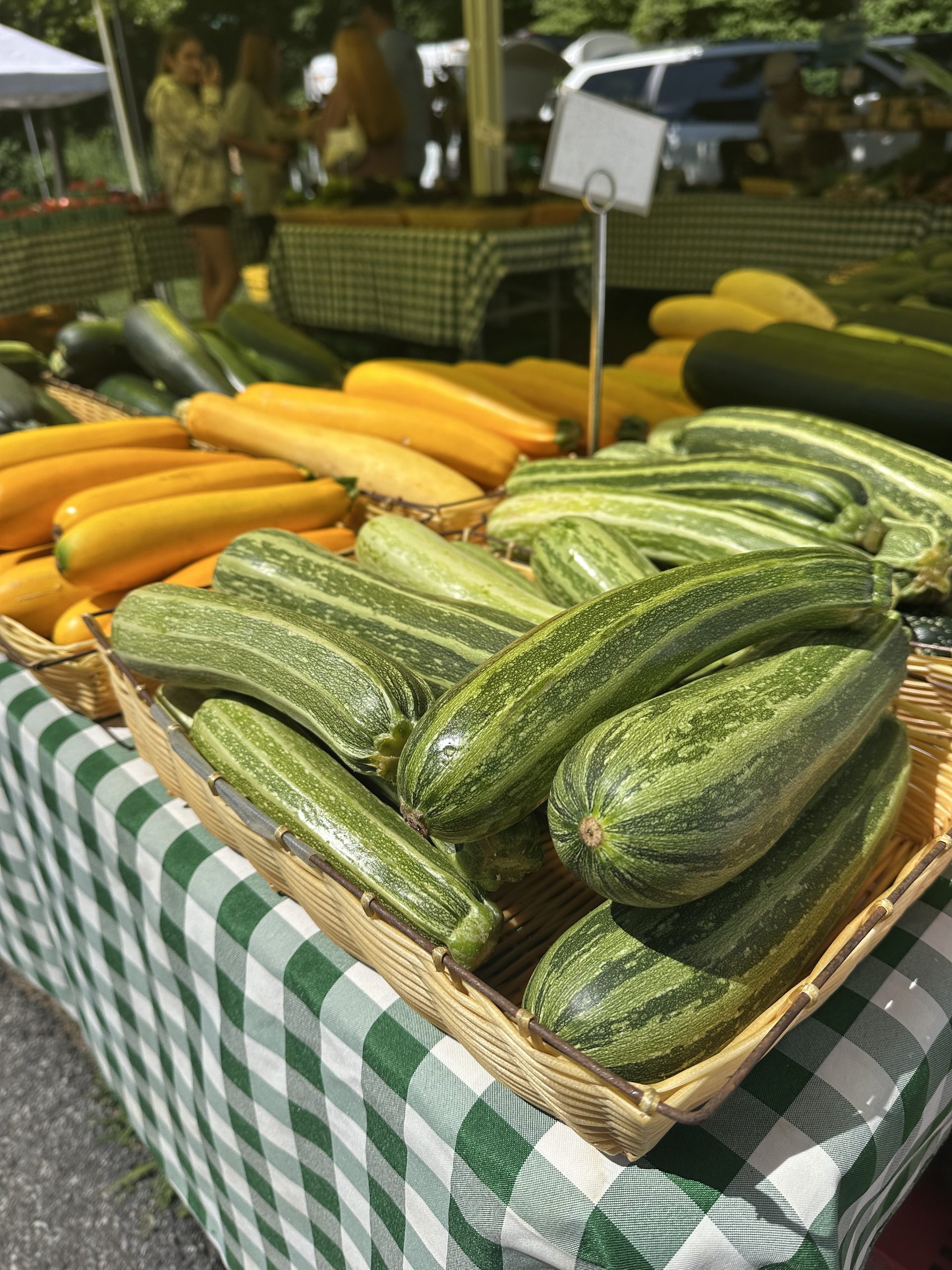
Last weekend, I went back to Long Island to see my family, and we ate zucchini every night. Usually when I visit, my dad requests that I cook at least one day I’m there, and last Friday, he and my mom wanted pasta with oily, garlicky zucchini, which he makes when they want something simple that won’t take too long. Luckily for me, what I assumed would be overly complicated at first because of how charred I had to get the zucchini turned out to be child’s play.

In a pan, I fried up a single zucchini that I cut into half-moon-shaped pieces in olive oil over medium-low heat. After a few minutes, when the skin began to blister but not change color, I added two sliced garlic cloves to the mix and a few cranks of salt, then continued stirring so nothing stuck to the bottom of the pan. I knew the zucchini was ready to be mixed with the penne I’d been boiling in a separate pot on the stove when both sides of the zucchini bits were golden-brown. I was pleasantly surprised by how delicious it was with minimal additives.

Another dish that I enjoyed while I was home was my dad’s stuffed zucchini, which is made by cutting a zucchini lengthwise and hollowing out the middle, filling it with a mixture, then grilling (or baking) it until tender. My dad did his “Italian style” with a tomato sauce meatloaf mixture and layering it on top of zucchini from the grill. I’m a big fan of zucchini boat-style, and I love the cheeseburger-flavored ones my partner and I make at home in our air fryer. Feel free to do yours however you want, though! The filling can include ground meat, cheese, grains, vegetables, herbs, breadcrumbs, or a combination; it’s up to your personal preference.

The Saratoga Farmers’ Market is open Wednesdays, 3–6 PM, and Saturdays, 9 AM–1 PM, at High Rock Park in downtown Saratoga, and Mondays, 2–5 PM in Clifton Park. Visit www.saratogafarmersmarket.org to sign up for the weekly newsletter and follow the market on Facebook and Instagram.

Gift of Happiness

Hello  my Foodie Friends!   

This time of the year is filled with events of having family and friends visiting, or our own traveling and includes finding gifts for those who have done something special or bringing a taste of our hometown to others. Whether you’re shopping for a neighbor or a friend, or family member who has visited, a locally made gift has value beyond the price tag. Local gifts can remind the recipient of some of their favorite memories of their travels or represent the beauty or culture of their hometown. One item that is useful and beautiful to give is a hardwood cutting board.

At Compliments to the Chef, we love wood cutting boards!  Good hard woods such as oak, maple, walnut, ash, and cherry are tough cutting surfaces that have been used for centuries to cut food or butcher meat on.  Early man just cut down any old tree to butcher and cut meat on but quickly realized that soft woods got people sick.  A good cutting board properly maintained can last a life time and they are safer than plastic which if it isn’t sanitized or left wet can actually harbor bacteria.  Some of the reasons for this are:

1. Plastic is not water-absorbent, so it stays wet longer, which means longer bacterial survival.

2. Wood is water-absorbent, so it dries faster, which means shorter bacterial survival.

3. Wood contains natural antibiotic agents that retard bacterial growth.

We carry beautiful hand-crafted wood cutting boards made by Saratoga Springs Artisan Adam Cielinski. Choosing an Adam Cielinski wood cutting board can make a great “Saratoga” gift to bring to family or friends or it can be one for your own home. Bring one as a housewarming or thank you gift or choose from one that may reflect a special love or hobby of a person you are buying for. They are simply beautiful and functional.  

Adam’s boards are part of Saratoga Springs Art History. They are each different and no two are exactly the same.  We have boards shaped like horse heads, owls, guitars, violins, hearts, cats, dogs, handled serving boards, and smaller boards. He also makes large cutting blocks that are great for larger items. The good news is they are reasonably priced too. Wood cutting boards have been in my family for generations and we hand them down.  Stop in and pick up a piece of Saratoga History and have something that you can hand down in your family.  A little advice on their care:

1. Dry the board immediately after (hand) washing, and 

2. Once a month, rub the board with oil, to keep it water-repellent and warp-free. Apply a coat of warm food-safe mineral oil, let soak in, and then wipe off the excess. Scratches can be sanded out then re-oiled.

Gratitude is a thankful appreciation for what an individual receives, whether tangible or intangible. With gratitude, people acknowledge the goodness in their lives. In the process, people usually recognize that the source of that goodness lies at least partially outside themselves. As a result, gratitude also helps people connect to something larger than themselves as individuals — to other people, nature, or a higher power. Stop by Compliment’s to the Chef, your Neighborhood Kitchen and Cutlery store located at 33 Railroad Place in Saratoga Springs. Give that gift that gives the gift of happiness to someone special in your life. Remember my Foodie Friends, “Life Happens in the Kitchen”. 


Take Care, John & Paula

The Art of Eating with the Seasons

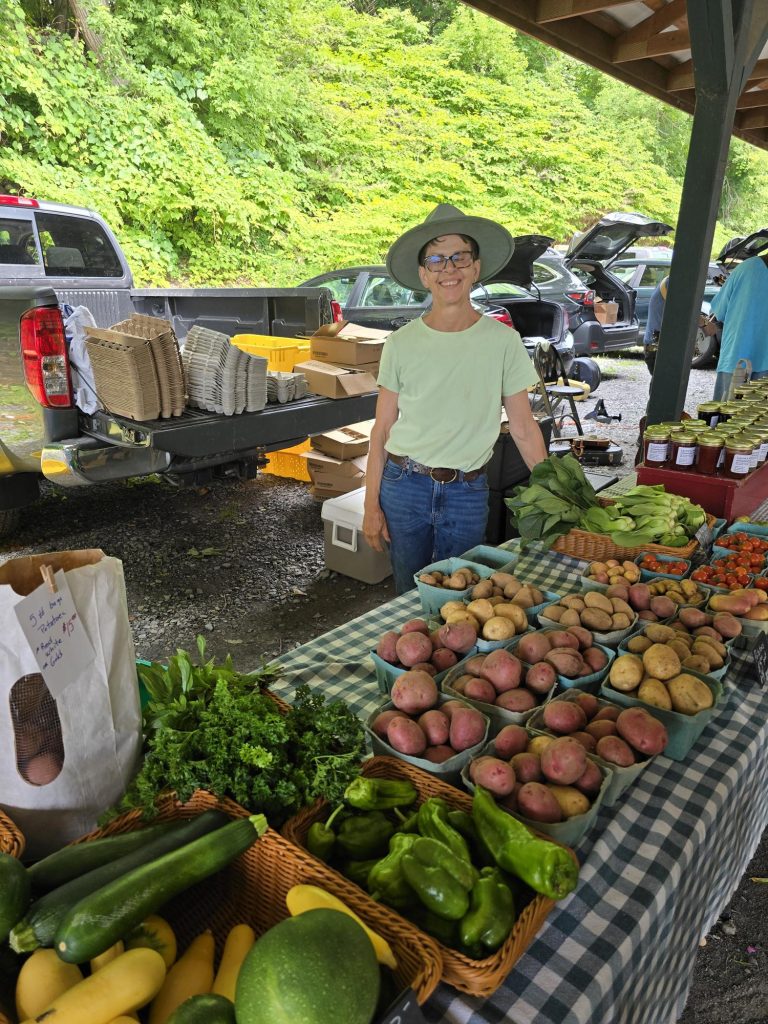
As a farmer, I know how much work goes into growing the abundance of food at the Saratoga Farmers’ Market. Your farmers labor long hours cultivating and planting their fields, tending their animals, and harvesting and washing all of the wonderful fruits and vegetables that grace their tables every week. 

By coming to the market and eating with the seasons, you honor the efforts of your farmers and are nourished by food grown with love and care. Fresh produce harvested at its peak is bursting with vitamins, minerals and antioxidants. Fruits like tomatoes, peaches, melons and berries typically have a higher brix value (a measure of sweetness) in the summer. Seasonal foods are flavorful, healthy and vibrant.

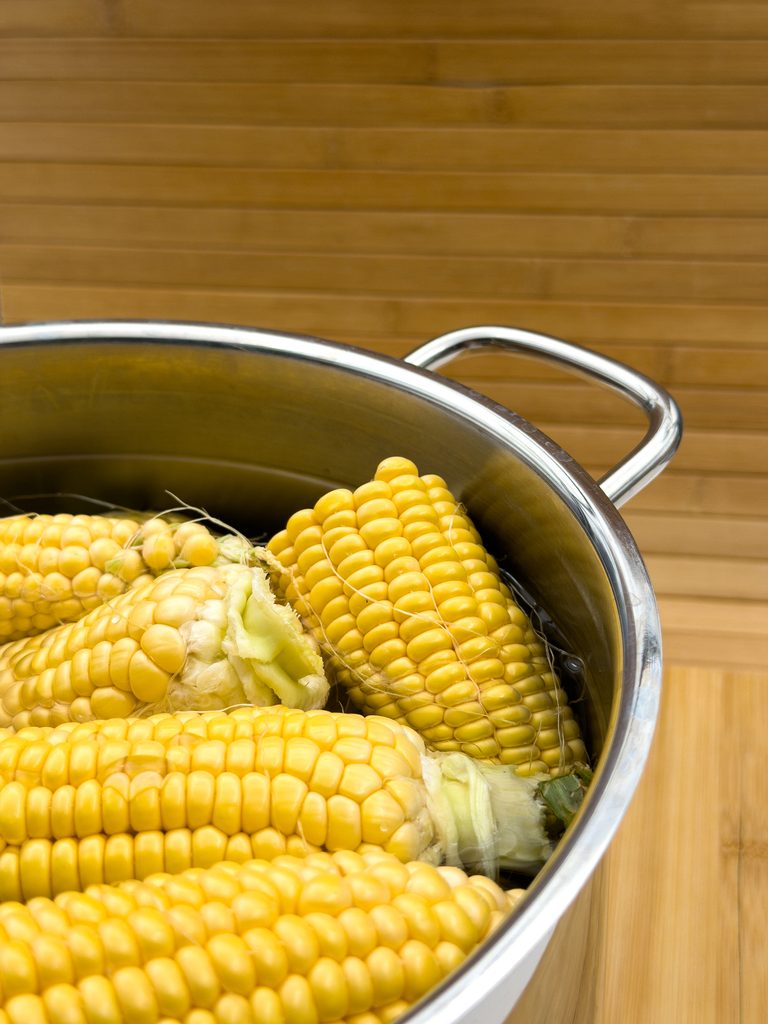
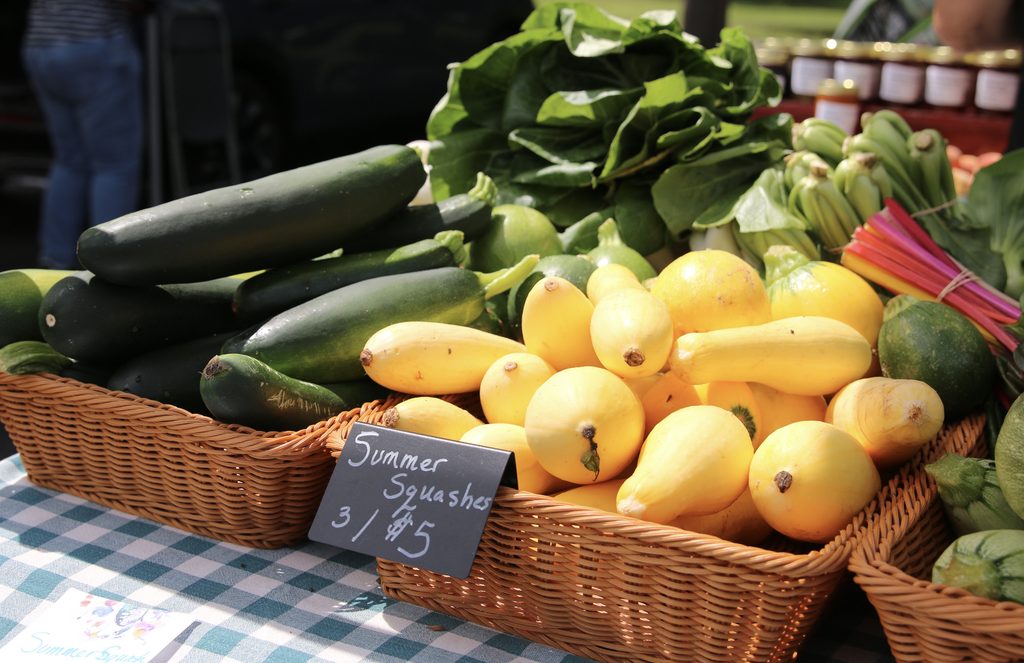
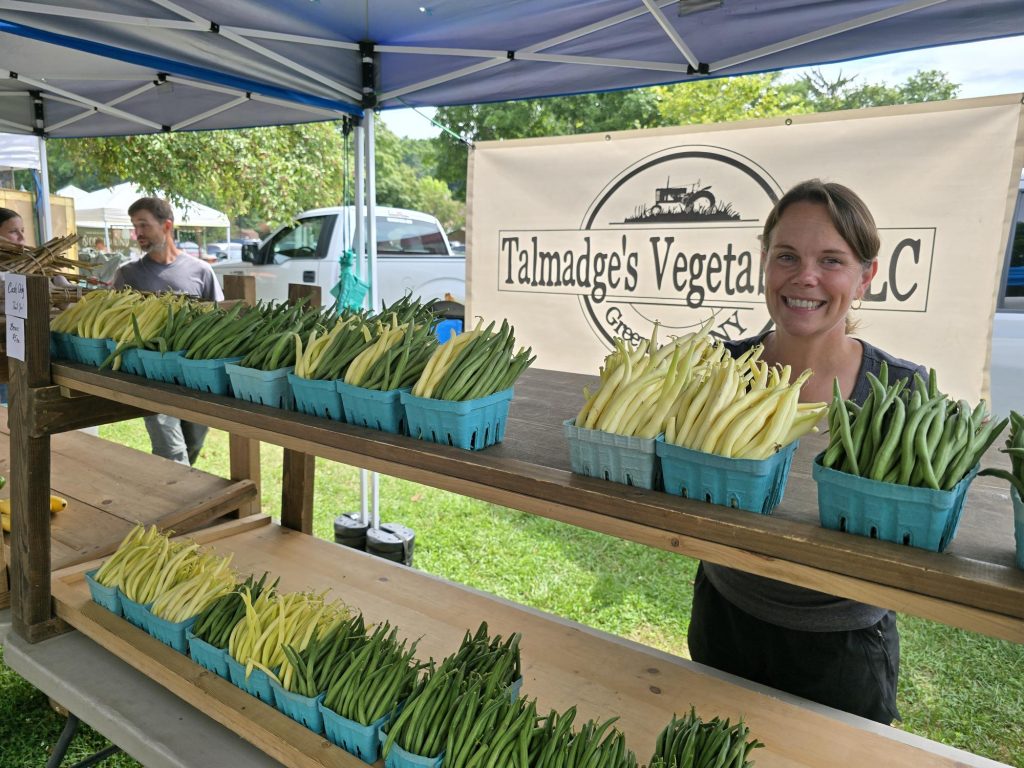
Summer produce like corn, tomatoes, peppers, beans, squash, sweet onions, and cucumbers are plentiful right now. Be on the lookout for specials! Some vendors may offer moderate discounts when buying in bulk, such as tomatoes for sauce or cucumbers for pickling. Canning, freezing and dehydrating are great ways to preserve the harvest for future enjoyment.

Seafood and meat are seasonal as well. In the northeast, bluefin tuna, swordfish, black sea bass, flounder and lobster are readily available in the summer. Additionally, be on the look-out for grill-ready fresh chicken. Quickly-defrosted products like burger patties, sausages, steaks and cutlets are perfect accompaniments to summer favorites like corn-on-the cob, cucumber salad, and sliced tomatoes. 

It can take some creativity, flexibility and an adventurous spirit to incorporated more seasonal foods in your diet, but the benefits are vast. Your farmers and your taste-buds will thank you!

The Saratoga Farmers’ Market is open Wednesdays, 3–6 PM, and Saturdays, 9 AM–1 PM, at High Rock Park in downtown Saratoga, and Mondays, 2–5 PM in Clifton Park. Visit www.saratogafarmersmarket.org to sign up for the weekly newsletter and follow the market on Facebook and Instagram.

Delicious Slices


Hello  my Foodie Friends!   

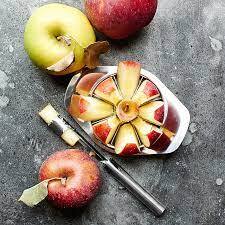
Summer is prime time for fun. Family vacations are in full swing with warm weather to enjoy. Having a picnic with family and friends on a beautiful day can be a time that creates those unforgettable moments and memories that last a life time.  Attending a picnic remains one of my favorite things to do during the summer.  This stems back to my childhood.  As I have mentioned in past articles, I am one of five children.  Having two sisters and two brothers always meant that the house was crazy and my mother would do what she could to keep us outdoors.  Picnic time was a word that would stir up excitement and anticipation of having our favorite potato and egg salads, hamburgers, hot dogs, and other fabulous items that our family and friends would bring to the picnic.  One tool that I continue to use to make some of my favorite picnic dishes is the egg slicer.  The egg slicer is a kitchen utensil that is used to cut hardboiled eggs into uniform round slices. This kitchen utensil is typically made of aluminum or stainless steel with wire blades that slice through the egg as it rests in an oval pocket. An egg slicer can be used to create individual slices for sandwiches, salads, canapes, or other similar needs.  

Even though it is somewhat of a single-purpose tool, I get more use out of a simple egg slicer than just about any other item in my kitchen. Here are a group of common kitchen ingredients that can be used with an egg slicer. Once you realize how easy it is to use the slicer over slicing manually, you’ll have a hard time going back—at least, if you’re slicing a large quantity at once, or small, slippery things like…

Olives

Whether you are team green or black, an egg slicer will make slicing olives for everything from simple salads to pizza toppings effortless. Make sure to place the appointed olive in the center of the slicer and quickly bring the slicing top to hold it securely in place before slicing it, since they can be quite slippery and apt to roll. Slicing a few olives should do the trick for most recipes that call for sliced olives.

Bananas

No classic fruit salad is complete without the addition of sliced bananas. Same goes for banana pancakes. It might be easy enough to slice bananas (even without a cutting board), but having them uniform and cut in a flash is a whole other level of efficiency.

This method works best with bananas that are not too ripe: cut a banana in quarters, so each piece can be sliced properly, then center the banana and press the blades down.

Butter

The egg slicer is your weapon of choice for slicing beautiful, picture-perfect pats of butter for your guests. Cut a stick of butter in quarters to make sure each piece can properly be sliced, the center the butter before slicing.

Kiwis

Kiwis are delicious in everything, from fruit tarts to fruit salads, but not always the easiest to cut by hand. Enter the egg slicer. Peel the skin (check out this link for the easiest way to do it!), cut the kiwis in half, then place each one in the cradle of the slicer to make uniform slices. 

Mushrooms

There is nothing better than sliced mushrooms as a pizza topping or grilled alongside a burger with onions. For an easier way to cut an entire mushroom, there is no better kitchen appliance than the egg slicer.  

Strawberries

Sliced strawberries are extremely versatile and can go on top of anything, from pancakes to ice cream sundaes. To quickly slice an entire strawberry, center it in the cradle of the slicer; seconds later, you’ll have pretty uniform pieces for all your baking and cooking whims. 

Cooked Carrots

Cooked, sliced carrots add a pop of color to many meals, including salads and fried rice.

Hot Dogs

Sliced hot dogs have many uses, including being used as toppings on pizza or a great addition to chili. After cooking the hot dogs, let them cool off, then cut them into quarters so they’ll fit into the cradle of the slicer.

Fresh Mozzarella

Whether you are making caprese salad or simply want to add some slices of mozzarella to your salad, slicing fresh mozzarella has never been simpler using an egg slicer.

Place the entire ball into the slicer for a quick and painless way to get uniform slices,

Avocados

You can’t beat sliced avocado on top of a fried egg or chicken tacos. And with the extra assistance of an egg slicer, your avocado slices will be much cleaner than cutting them by hand. Just place an avocado half in the slicer, then cut it in one swoop.

Wow, so many uses for a single, versatile kitchen tool! Stop by Compliments to the Chef, your Neighborhood Kitchen and Cutlery store located at 33 Railroad Place to pick up the kitchen accessories your culinary needs. Take a slice of happiness with you and have a beautiful backyard outing with your family. Remember my Foodie Friends, “Life Happens in the Kitchen”. 


Take Care, John & Paula

Vegetables Worth Discovering    

Have you ever walked by a stall at the farmers’ market and spotted a funky-looking vegetable you didn’t recognize or know how to use? I know I have—which is why I’m here to shed light on some lesser-known vegetables you may not find at the grocery store. The list of possibilities is endless, and some of our local growers gave me insight on the best ways to use these more overlooked veggies.

To start, tromboncino squash, or zucchetta rampicante, is an Italian heirloom “climbing squash” that can be used during both the summer and winter months. Brian Talmadge of Talmadge’s Vegetables describes it as a “dual-use squash.” When it’s young, you can eat and prepare it just like a zucchini, but when it’s older, it forms a hard shell and resembles more of a butternut squash on the inside. It’s very flexible and works well in pasta dishes, roasted medleys, and hearty soups.  

Kohlrabi is a member of the Brassica family, making it a cousin of broccoli, cabbage, and kale. When you eat it, it’s almost like biting into a broccoli stem. Lindsay Fisk of Owl Wood Farm has nothing but high praise for the German turnip. Its white, crispy, juicy interior is delicious raw, chopped, or shredded on a salad. If you have a crudité veggie dip platter, it can be a great addition to that as well. Many recipes also use it as a potato substitute, and it can even be used to make French fries. It may look strange, but it’s very versatile, and Lindsay guarantees that when people try it, they love it!

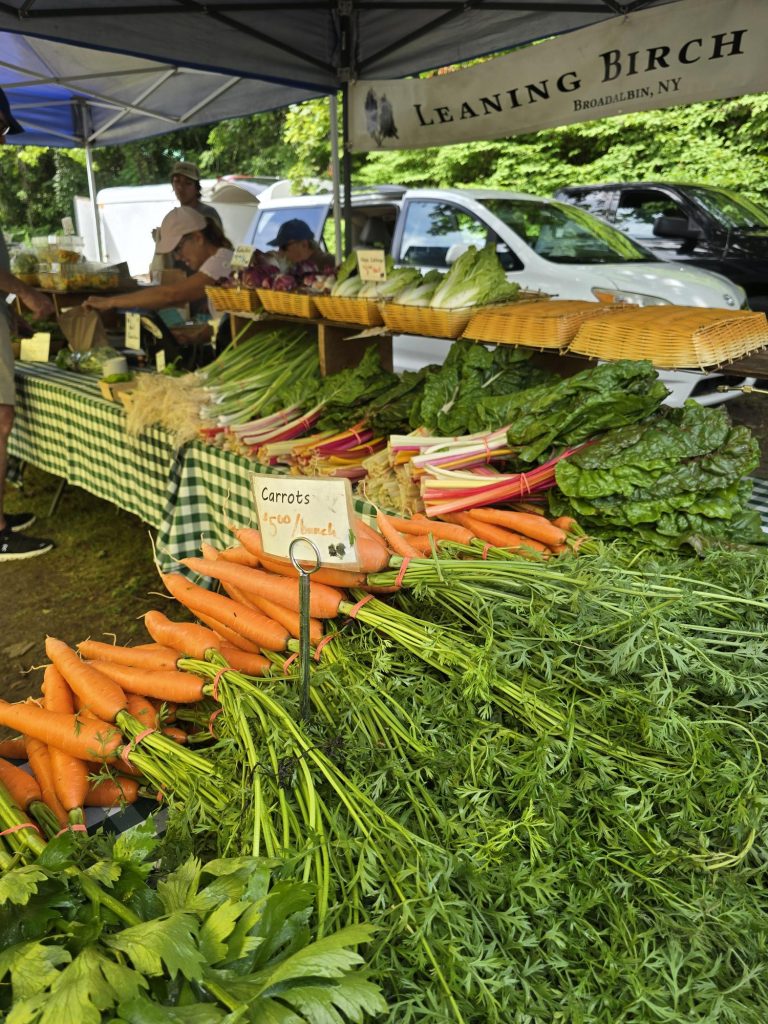
Finally, rainbow chard and escarole are two vegetables that can be interchangeable for something called “Greens and Beans,” which Laurie Kokinda of Kokinda Farm claims the Italians like. A quick, healthy, and cozy one-pan dish made by simmering leafy greens and creamy white beans in a garlicky broth, Greens and Beans traditionally uses escarole as the base, with other ingredients including cannellini beans, extra virgin olive oil, garlic, and red pepper flakes.

All of the small business owners listed above are selling these produce items right now, so I hope you find some inspiration to become more experimental in your kitchen at home. Who knows? You might make your next favorite meal using one of these ingredients!

The Saratoga Farmers’ Market is open Wednesdays, 3–6 PM, and Saturdays, 9 AM–1 PM, at High Rock Park in downtown Saratoga, and Mondays, 2–5 PM in Clifton Park. Visit www.saratogafarmersmarket.org to sign up for the weekly newsletter and follow the market on Facebook and Instagram.

Sip Back and Relax

Hello  my Foodie Friends!   

The horse racing season in Saratoga Springs is on. Many people come to not only be part of the atmosphere of our country’s oldest track, but to also admire the beauty of the racing horses.  The horses are amazing to watch, they are truly spectacular animals. I always catch my breath at the majestic beauty of the horses that come to Saratoga Springs to race. My wife and I remember the first time we came to Saratoga Springs, NY. We were both part of a corporate relocation to the area and looking for where to settle down with our two very young children. Walking through down town and driving throughout the city, the energy of our incredible area hit us as we held each other’s hands. We knew immediately this was where we wanted to live and raise our family. 

Over the years, as our family and friends have visited us from various parts of the country, we have always felt a sense of pride in sharing with them all that our community has to offer. Summer in Saratoga Springs is a beautiful time for entertaining. This time of year calls for delicious foods, amazing drinks, and wonderful company. Refreshing summer cocktails are the perfect way to stay cool. Fruit cocktails are an ideal way to enjoy a summery drink. We are also be planning to entertain our guests. However, before you can entertain your guests with a refreshing pineapple margarita or a strawberry mint Moscow mule, you’ll need the right tools to make them. Be prepared this summer by checking out these must have tools to make the perfect summer cocktail!

An essential tool to use to make a Mojito is a “muddler”. The muddler is basically a stick you use to smash ingredients into a bottom of a glass.  It is used like a pestle to mash or muddle fruits, herbs, and spices. The classic muddler is a rod with a slight flare on one end and a flat surface or teeth on the other side. Both the flat surface and the teeth surface are appropriate for “muddling”.  The purpose to “muddle” is to release fresh flavors to the liquid that will enhance your drink.  Bartenders use a muddler to crush ingredients such as lemons, limes, and mint against the glass before pouring ice in. The muddler can also be used to stir a drink.

Cocktails are fun to make, especially when it comes to the SHAKE. Cocktail shakers are crucial in crafting your summer cocktails as all ingredients need to be muddled, poured and mixed with ice inside. 

Another important tool is the bar spoon. With its tall handle, a bar spoon is specifically designed to stir and mix various drinks by fitting all types of cocktail glasses. It’s spiral handle works well when layering drinks and makes for a classy look.

The presentation of your drink is just as important as the quality of its flavor. Pouring your summer cocktail into a stunning glass and adding the appropriate garnishes will make for a picture-perfect cocktail you can enjoy poolside.

To make any cocktail worth the sip, you have to measure your concoction to correctly bring about the right flavors. Mixology is about precision, and you’ll want to serve your guests cocktails with the proper ratios. This is where the jigger comes in— a double-sided measuring tool that measures your favorite spirits to add to your favorite cocktails.

Whether you’re looking to make a quick cocktail for one or a big pitcher of frozen drinks to share, alcoholic and non-alcoholic drinks are a perfect addition to any lazy weekend afternoon. There are plenty of options for every taste, depending on what you’re looking for, from sweet, fruity drinks ideal for cooling off after a hot day. Stop by Compliments to the Chef, your Neighborhood Kitchen and Cutlery store located at 33 Railroad Place for the accoutrements’ you need for entertaining and having those delicious summer cocktails! Sit back and relax with something refreshing as you entertain this summer. Remember my Foodie Friends; “Life Happens in the Kitchen”. 


Take Care, John & Paula
The Lost Art of Talking to the People Who Feed Us    

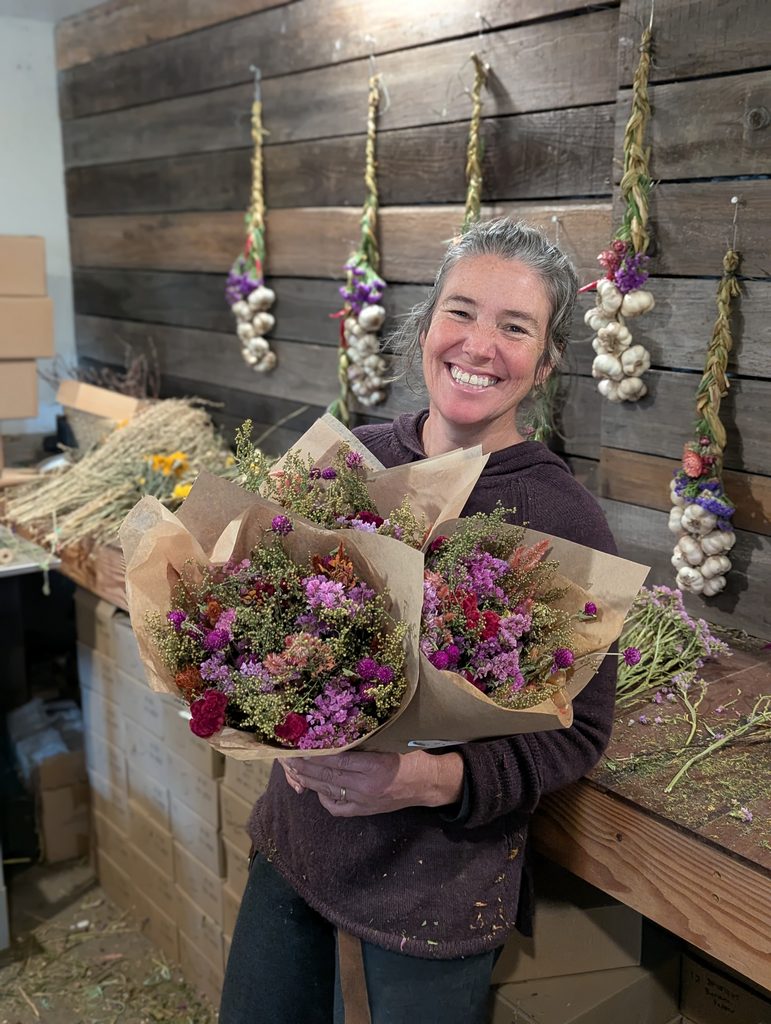
In an era of sprawling supermarkets and highly processed foods, it’s easy to forget who grows our meals. Grocery stores separate us from the origins of our food, obscuring practices and labor conditions. The resurgence of farmers’ markets remedies this disconnect, reviving the art of talking to producers.

Farmers’ markets bridge the gap between modern consumers and agricultural producers, restoring transparency. By eliminating supply-chain middlemen, these vibrant community hubs allow shoppers to converse directly with local farmers, discovering how their food is grown and rebuilding a localized, sustainable food culture.

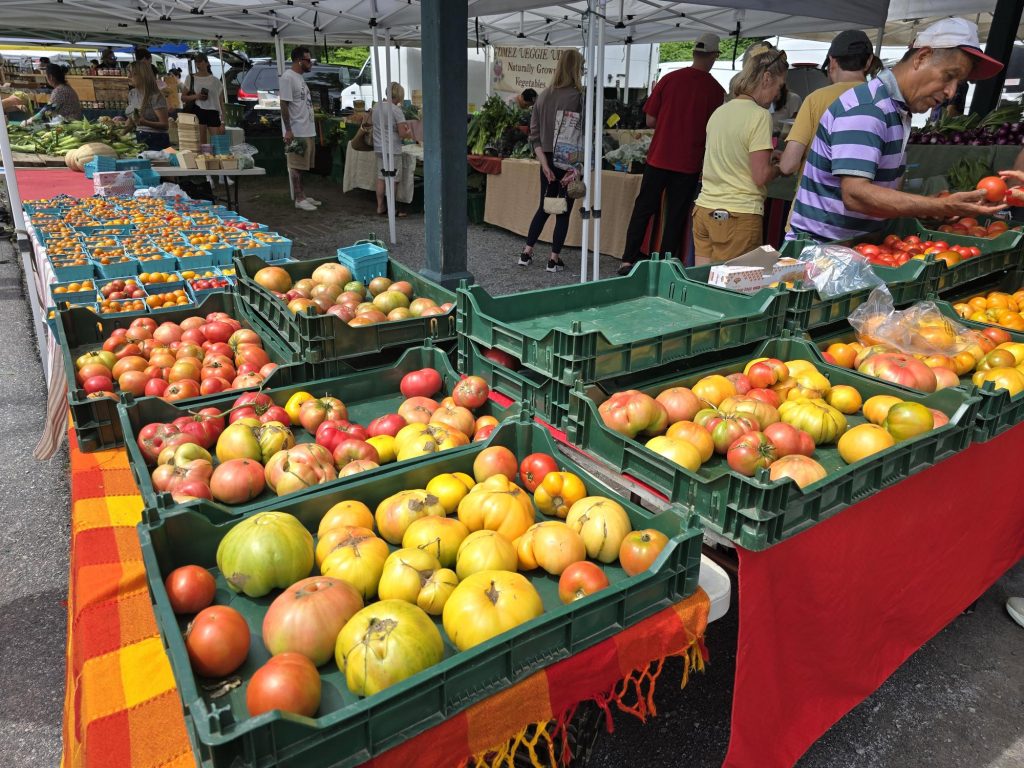
When you purchase a basket of heirloom tomatoes or a loaf of sourdough bread at a local market, you are buying much more than ingredients. It grants you direct access to the person who planted the seeds, nurtured the soil, and managed the harvest. This direct-to-consumer interaction transforms a standard economic transaction into a rich, educational exchange.

Conversing with food producers allows shoppers to ask specific questions that supermarkets simply cannot answer. You can learn how the crops were grown, whether pesticides were used, and even pick up invaluable culinary tips on how to prepare a seasonal vegetable. If you have been wondering what gives a specific honey its floral notes, or how to cook that lovely head of escarole, the farmer is the ultimate expert. This interaction fosters an appreciation for the hard work and dedication required to bring food from the farm to the table.

These conversations play a significant role in promoting healthier eating habits. Often, market-goers report eating healthier because of the fresh, nutrient-dense produce they purchase. The opportunity to talk about regenerative agriculture, ethical livestock raising, and seasonal eating empowers consumers to make informed, conscientious choices about their food.

These producer-consumer relationships also provide a vital boost to the regional economy. By purchasing directly from local agricultural producers, your money stays within the community, supporting the families who grow your food and preserving working farmlands. Direct-market farmers are also more likely to source their own supplies locally, generating substantially more local economic activity than large-scale, wholesale distributors.

Ultimately, the farmers’ market is much more than a place to stock up on fresh provisions. It serves as a vital community space that revitalizes social connections and restores trust in our food systems. By participating in these weekly exchanges, we take an active role in shaping our diets and supporting a thriving local economy.

To build relationships with local food producers, visit a market near you and strike up a conversation…you’ll be glad you did!

Saratoga Farmers’ Market is open Wednesdays, 3–6 PM, and Saturdays, 9 AM–1 PM, at High Rock Park in downtown Saratoga, and on Mondays, 2–5 PM in Clifton Park. Visit saratogafarmersmarket.org for more information and follow the market on Facebook and Instagram.

“Food is the Ingredient that Binds us Together” ~ MesadeVida.com


Hello  my Foodie Friends!   

The Dutch oven may be the most useful of kitchen tools. With this versatile cookware, you can cook in any style, whether roasting, braising, frying, or baking. Two main perks of Dutch ovens: they are versatile but also beautiful enough that you will want to keep yours out on the stove. The Dutch oven is the master of the stovetop. Since it is basically a wider, heavier version of a stockpot, it is a good pick to simmer broth or cook up big batches of beans. The cast iron core can get hot enough to quickly sear chunks of meat and brown veggies.

I have had many customers stop in and talk about how they love their Dutch ovens and how they use it for just about everything. One piece that many folks have discussed is how they bake bread in their Dutch oven. Dutch ovens are essentially tall, heavy pots with tight-fitting lids. They are used primarily for slow-cooking methods such as braising and stewing. The rustic all-iron Dutch ovens can be used both on stove tops and in ovens, and some can be used over and under coals. They are known for their ability to go from the stove top–for quick starting techniques such as browning–straight into the oven for the longer cooking process.

At Compliments to the Chef, we carry an assortment of Dutch Ovens. One of our feature ones this summer is the Staub 5 Quart Cocotte. Celebrate the Year of the Horse and Saratoga in style with Staub’s collectible enameled cast-iron pan, featuring an intricately embossed equine portrait on the lid. Perfect for cooking and serving Lunar New Year soups, stir-fries and braises, it also works beautifully for making culinary classics like risotto, pot roast and coq au vin. As versatile as it is functional, this limited-edition piece goes effortlessly from the stovetop or oven to your dining table. This summer, stop by Compliments to the Chef, your Neighborhood Kitchen and Cutlery Store located at 33 Railroad Place in Saratoga Springs. Remember my Foodie Friends; “Life Happens in the Kitchen”.


Take Care, John & Paula

Market in Bloom

Saratoga Farmers Market is bursting with high summer flowers from local growers. This Saturday, July 25, 9 a.m.–1 p.m. at High Rock Park, join us for “Market in Bloom,” a day to honor our flower farmers and showcase the vibrant blooms of late July.

Peak-of-season flowers and produce will abound this weekend!  Expect to see stands overflowing with Sunflowers, Zinnias, Cosmos, Queen Anne’s lace, Lavender, Snapdragons, Ageratum, Strawflower, Amaranth, Statice, Nigella, Calendula, Eryngium, Globe Thistle, Echinacea, Yarrow, Bee Balm, Forget-me-Nots, Liatris, and hopefully the first Marigolds and Dahlias. There’s nothing comparable to locally grown flowers! Most of our farmers use natural growing methods to offer toxin-free flowers for your home. And these flowers support our native pollinators – locally grown flowers offer important habitat for bees, butterflies, hummingbirds, and predatory wasps (who feed on pest insects on our farms, preventing the need for insecticides!).

Artisans will be bringing flower-themed handcrafted creations, botanical body care, jewelry, and baked goods.

Build-Your-Own Bouquet Bar for just $20. Enjoy complimentary samples of floral-infused beverages and capture the day at the market’s flower-themed photo booth. Children of all ages and abilities can enjoy free flower-inspired activities, while all visitors can explore the fascinating world of pollinators with special guests from Sustainable Saratoga, the Southern Adirondack Beekeepers Association (with an observation hive), and the SoBro Conservancy of Saratoga.

Whether you’re taking home a bouquet, finding a unique botanical gift, or simply soaking in the beauty of the season, Market in Bloom is a delightful way to spend a summer morning.

Admission is free, and everyone is welcome.

Saratoga Farmers’ Market is open Wednesdays, 3–6 PM, and Saturdays, 9 AM–1 PM, at High Rock Park in downtown Saratoga, and on Mondays, 2–5 PM in Clifton Park. Visit saratogafarmersmarket.org for more information and follow the market on Facebook and Instagram.


How to Take Care of Your Farmers’ Market Flowers


By Corinne Hansch of Lovin’ Mama Farm

After choosing your favorite bouquet at the market, gently place it in your bag or carry it home. As soon as you arrive, put the flowers in a jar of water to rehydrate. Unpack your vegetables and fruit—veggies go in plastic bags to keep them fresh in the fridge, while fruit and tomatoes sit out to ripen without bruising.

Once the food is put away, bring your attention back to your bouquet. Choose the appropriate vase depending on the length of the stems, make sure it is sparkling clean, and fill with cold water. A large ceramic pitcher is ideal, but a quart or ½-gallon jar will work just fine. Unwrap any paper and take off the rubber band. Put your vase next to the side of the table, hold your bouquet over the edge of the table, and imagine where you want the flowers to sit in the vase.  

Holding the bouquet over the edge of the table allows you to adjust up or down, and chop the stems off at the appropriate level so the flowers sit at the lip of the vase. Use sharp clippers to make a clean cut. Strip any leaves and flowers that may be at the water level (these will rot more quickly and can contaminate your water with bacteria). Carefully drop the bouquet into the vase, and fluff up the flowers, adjusting a stem here or there so every flower is featured and shown off. If the flowers seem too stuffed and bunched, get a second vase or jar and spread the bouquet into two.

Important: Change your water daily and give the stems a small clip to remove any bacteria that may have built up at the stem ends. This can prevent water from going up the stem and cause your flowers to wilt. Pull out and toss the first flowers to wilt and “refluff” your bouquet daily.