The Wonderful World of Winter Squash


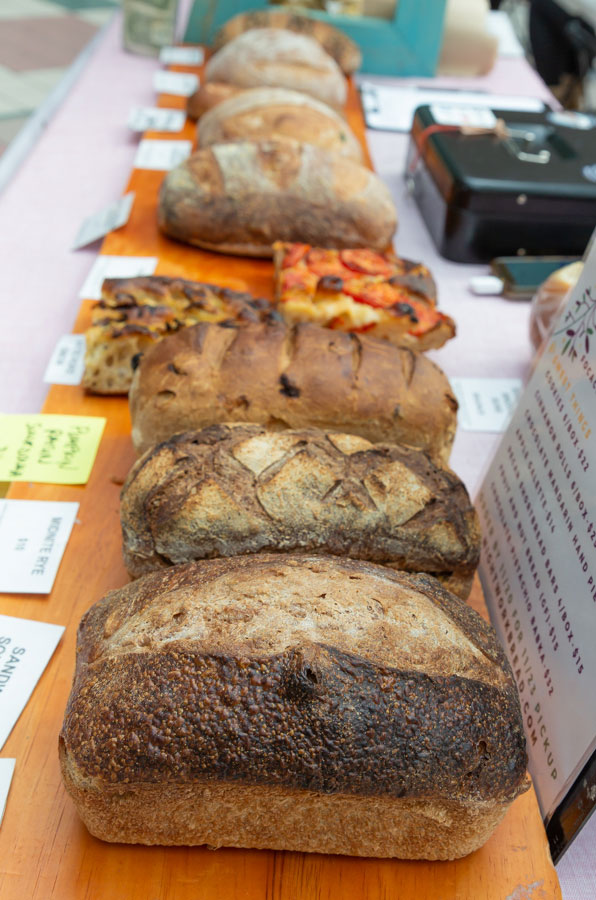
Photos by Pattie Garrett.

One of the most beloved hallmarks of autumn is the pumpkin. It seems that just about everywhere, pumpkins of varying shapes, sizes, textures, and colors are decorating porches, businesses, and farmers’ market tables. In addition to being a delight to behold, many pumpkins are also excellent to eat.   

Pumpkins and other winter squashes hail from North America and are among the oldest cultivated plants in the world. Most parts are edible, including the shell and flesh, seeds, leaves, and flowers. All squashes can be scientifically categorized under the genus Cucurbita, and most in our region are one of three species: Curcurbita maxima, Cucurbita moschata, and Curcurbita pepo. Each species has special culinary properties. 

The sturdiest and longest-lasting squashes are the Curcurbita maximas. They are the Hubbards, Kabochas, Buttercups, Turban, and Banana squashes. All have a sweet, dense, dry, creamy flesh and a hard, thick rind. Their flavor improves with curing or leaving them in a warm, ventilated space post-harvest. These squashes are delicious in soups and pies, made into gnocchi (Italian dumplings), and roasted with a glaze or marinade. 

Butternuts, Honeynuts, Musquee du Provence, and Long Island Cheese Pumpkins are all Curcurbita moschatas. These squashes don’t keep quite as long as the maximas, having thinner skin and slightly more water content, but many are just as sweet and nutty. They are excellent in soups, pies, and casseroles and can be baked, grilled, and roasted.

The Curcurbita pepos are a diverse group of shorter-lasting squashes. They are the Delicatas, acorns (black table acorn, Jester, and Carnival), spaghetti squashes, and pie pumpkins. These squashes tend to be milder and thinner-skinned, and some have stringy flesh. They tend to be easier to cut and roast and can be used in both savory and sweet dishes. Try them twice-baked with a savory stuffing (spaghettis, pumpkins, and acorns), sliced and roasted (Delicatas), or baked and mashed with butter and maple syrup (all of them!). 

Despite it being a challenging growing season for winter squashes, a wide variety is available at the Saratoga Farmers’ Market. Be sure to ask the vendors about their favorites and try them at home this autumn and winter. 

The Saratoga Farmers’ Market is open on Wednesdays, from 3-6 p.m., and Saturdays, from 9 a.m.-1 p.m., at High Rock Park through October. The market moves to the Wilton Mall on Saturday, November 4. Follow us on Facebook and Instagram for updates, and sign up for our newsletter at www.saratogafarmersmarket.org.

Apple of my Eye

Hello my Foodie Friends!   

It’s that time of year for me to share my annual Halloween memories. Yes, I told this story last year. However, I received a lot of fun feedback and I keep telling the store in the store – so I am telling it again this year!  Halloween is only a few days away and for the little chefs out there the excitement is building.  How many of us remember going apple bobbing during festivals or when attending a Halloween party? Bobbing for apples is no easy task. Bobbing for apples is a classic Halloween game where you are challenged to take a bite out of an apple that is floating in water while your hands are behind your back – with the task of getting as many apples as you can. 

Many readers stop into my store and ask how Paula and I met. We typically reply that we both met while working together in a restaurant. However, the real first time we met was at a church Halloween dance a few years prior. My church knew how to throw fun events. Everyone came dressed in costume.  I dressed as a gangster and my brothers were dressed as my henchmen.  There were many events at the dance and one particular event was bobbing for apples which I was known as a pro. My father always said I had a big mouth, so that is why I was so good at it. I always thought that he was giving me a compliment. Now, hmmm?  During the dance, the nuns who spent the better part of their school days trying to keep the boys and girls apart, wanted to pit the boys against the girls in the apple bobbing contest. My brothers convinced all of the other boys that I should go last in case it was close; then I would seal the expected victory. We were all then paired off against our female opponents.

I was paired with a beautiful young lady who was dressed as Pocahontas. She had her hair in what is called a “French braid” (I had to ask my daughter Aubrey, what that hairstyle is called before I wrote this article). The dressed up “Pocahontas” (also had something on the end of her braid called a scrunchie? (Aubrey also had to tell me what that was). As the competition progressed, it finally came down to the last couple to decide who walks away as the victor. There was a lot of cheering from my brothers who knew how good I was at apple bobbing, since we grew up every fall playing this game. When I looked across the bucket of water, Pocahontas had a big, beautiful smile and I felt something strange. When the nun said “go,” we both plunged our heads into the bucket of water for our apple. The first one to get an apple, wins. I found my apple and was coming up out of the water when something struck my eye. I winced in surprise and the apple fell out of my mouth. Pocahontas was up and out with a huge apple, and the girls cheered and the boys groaned.  When I looked into the eyes of my opponent, I swear there were sparks and fireworks coming in my direction. I never saw her again and never forgot that look. 

A few years later, a beautiful young woman with her hair in a French braid started working at the same restaurant I worked, where I was asked to train her. When we looked at each other I realized it was Pocahontas! Her real name was Paula. Of course, she didn’t recognize me so I said, “Pocahontas do you like apples?” She squinted at me and then smiled and said “it’s you!” That, my Foodie Friends, was the beginning of a beautiful friendship.

Bobbing for apples is one fun way to get apples. However, I think most of us prefer to either pick them from our favorite apple orchard or get them from an apple stand. There are so many ways to prepare apples during this season. One essential tool is an apple peeling machine. The apple peeling machine is made of metal and not only peels apples but cores and slices them too. Just suction the peeler to your countertop (some models affix to a work surface with a vice), fit the apple on the skewer and crank away. 

This season, stop by Compliments to the Chef, your Neighborhood Kitchen and Cutlery store, located at 33 Railroad Place to pick up the essentials you need to make your apple delights. Share your stories of Halloween or how you met your special someone who is the apple of your eye. Remember my Foodie Friends, “Life Happens in the Kitchen!”

Take Care, John & Paula

“Back to the Old Grind”

Hello  my Foodie Friends!   

In kitchens throughout the world, there is one piece of technology that has been the same since the Stone Age: the mortar and pestle. You place ingredients in a bowl usually made of stone or ceramic and then pound them with a tiny club. 

Why should every good cook—and everyone who loves herbs—own and use at least one mortar and pestle? Several reasons include: from history; the ceremony of using ancient tools and the joy of knowing the rhythm of how they work. For celebration: food feeds both body and soul, and the act of preparing it should be a pleasure, not a chore. And finally, for quality: there is a depth of flavor to spices and fresh herbs prepared this way that you just can’t get from a food processor. Mortars and pestles have been used for crushing and blending seeds, roots, herbs, and other foods. This dates back to prehistory, although information on their origins is hard to find. It’s only logical that early man and woman picked up the nearest rock and used it to crack open the nuts they gathered. Eventually they found similar tools to grind seed or grain into a powder, so that they could mix it with water to form a gruel and grind herbs and roots to flavor it.

Here’s a list of cooking tasks you can accomplish with a mortar and pestle:

• Grind your own peppercorns and spices including cinnamon sticks, coriander, and cloves.

• Remove cardamom seeds from their pods and then crush to use in Indian cooking.

• Grind sea salt to the fine texture of popcorn salt and season your movie night treat.

• Crush whole dry chilies into flakes.

• Crush capers to use in homemade tartar sauce recipes.

• Smash fresh peeled ginger to use in Asian recipes.

• Crush some flax seeds to release their benefits and add to yogurt for a nutritious breakfast or snack.

• Crush lavender to use in baking or potpourri.

• Crush herbs and seeds to make medicinal teas.

• Make fresh, homemade nut butters.

• Turn fresh garlic cloves into a paste and spread on Italian bread with olive oil for some intense garlic bread.

• Crush some fresh basil, garlic and pine nuts together in the larger sized units. Then mix in some olive oil to make super fresh and flavorful pesto.

The mortar and pestle varieties include various sizes and can be found made of ceramic, glass, porcelain, wood, metal, granite, marble or bamboo. The advantage of a using a mortar and pestle rather than an electric grinder or food processor include easier (as in no) assembly required, less noise and easy cleanup — no small parts or sharp blades to wash.

One of the most classic uses of the mortar and pestle is for pesto. Combining the flavors of basil, pine nut, Parmesan, garlic, and olive oil can make a wonderful pesto to add to pasta, spread on a sandwich, or eat by the spoonful. When it comes to making pesto, you can’t go wrong with a pestle and mortar. You could make it in a food processor, but you just won’t get the same flavors as when you’re pounding and crushing all that lovely basil by hand. 

Cooking can be fun! No matter how long you have been cooking, there is always something new to learn. The mortar and pestle may take a little elbow grease, but it is the tool that will not fail you. Go back to the old grind for a while, stepping away from modern technology and use the mortar and pestle for your incredible culinary creations. Stop by Compliments to the Chef, your Neighborhood Kitchen and Cutlery store located at 33 Railroad Place to get your “cool” tools for cooks. Remember; “Life Happens in the Kitchen.” 

Take Care, John & Paula

Awakened Tonics: Healthful Benefits in a Bottle  


Heidi Radko, owner of Awakened Tonics

When you think of health, what comes to mind? For some, it’s exercising daily and eating a balanced diet. For others, it may be eating anti-inflammatory foods or managing stress. For Heidi Radko, a certified health and life coach and owner of Awakened Tonics, health encompasses everything from nutrition and physical activity to self-esteem and relationships.

Heidi’s life path took a turn in 2020 when, as Heidi says, “I had an opportunity to change up my life. I wanted to help people.” In her pursuits, she completed her certification as a health and life coach, focusing on women’s health. 

Two years later, in April 2022, Heidi had an opportunity to buy Awakened Tonics, an established small business she had been working with part-time. “Awakened Tonics fit right into my life; it fit me,” explains Heidi. 

Awakened Tonics are apple cider vinegar beverages that provide the benefits of apple cider vinegar without the harsh taste. Apple cider vinegar is linked to lowering blood sugar and cholesterol, stimulating weight loss, easing acid reflux, boosting hair health, and many other benefits. It’s also an excellent source of potassium, magnesium, and antioxidants.

Awakened Tonics offers various produce-based and herb-based tonics, with specific infusions providing different health benefits. Heidi collaborates with herbalist Jessica Marcy of Old Wisdom Wellness for herbal tonics.

Island Sunrise, for example, is a blend of tangy pineapple with strawberry, raspberry, mint, and turmeric – offering Vitamin C and anti-inflammatory benefits, stimulating energy and brightening your mood.

Another beverage, Grateful 4 Greens, boosts your fruit and vegetable intake and has an earthy-lime flavor. This beverage features alfalfa, spirulina, chlorella, and dandelion greens – offering powerful vitamins and minerals and also detoxifying the body of heavy metals.

“I’m incredibly lucky because I love talking to people at the farmers’ market – I can guide them to the right products according to their health needs, or they can go with what they like,” explains Heidi.

Awakened Tonics are versatile products. You can add them to smoothies, juices, salad dressings, and mocktails. “There is a lot you can do with them,” says Heidi. She shares her favorite seasonal spiced cider recipe, a healthful and comforting adaptation of traditional warm apple cider.

“In supporting overall health, food is our first line of defense,” says Heidi. “My goal is for people to feel better.”

In growing the business, Heidi hopes for Awakened Tonics to become more widely known and available in stores. She also plans to expand on tonic offerings and different beverage sizes. 

Awakened Tonics are available at the Saratoga Farmers’ Market on Saturdays and the Spa City Farmers’ Market on Sundays. Shipping and pre-order pickup options are available on the Awakened Tonics website, www.awakenedtonics.com.

The Saratoga Farmers’ Market is open on Wednesdays, from 3-6 p.m., and Saturdays, from 9 a.m.-1 p.m., at High Rock Park through October. The market moves to the Wilton Mall on Saturday, November 4. Follow us on Facebook and Instagram for updates, and sign up for our newsletter at www.saratogafarmersmarket.org.

Autumn Spice

Hello  my Foodie Friends!   

Autumn spice and foods are among the beauty of this time of year. Along with the scents and visually stunning colors, is the time of year for hearty stews, salads, and spectacular comfort foods. With the chilly autumn nights, we yearn for the warm cozy foods. Autumn is such a beautiful time of year for foodies. It’s time to take trips to the orchards, time to get back to roasting and baking, and maybe even experimenting with delicious hot beverages. 

Baked macaroni and cheese has always been one of my favorite autumn comfort foods. During my childhood, pasta was always a staple to almost every meal. However, it was always a treat when my mother would make us homemade mac and cheese.  

There are many baking dishes to bake macaroni and cheese in:  stoneware/ceramics, cast iron, glassware and metal.  

Cast Iron Bakeware

Cast iron is affordable, and it only gets better with age! The most popular type of cast iron bakeware is the cast iron skillet, but you can get just about any shape of bakeware in cast iron. As long as you care for your cast iron and season it properly, you won’t have to worry about the metal reacting with the food. Cast iron skillets are the holy grail of bakeware. They are truly are the ultimate kitchen utensil. They have the versatility of metal, the reliability of glass, and produce the quality of flavor from ceramic stoneware.

Just make sure you season your cast iron skillets are seasoned properly. Doing this will prevent the metal from reacting with your food; plus, it makes it much easier to clean.

Glass Baking Dishes

Glass bakeware is probably going to be your go-to for most recipes. And that’s for a good reason: it’s good at conducting heat. 

Ceramic Stoneware Baking Dishes

Ceramic stoneware is really the best option for baking things evenly. It behaves similarly to glass, so it’s probably best to stick to more savory dishes, although desserts muffins and quickbreads do well in stoneware.

Metal Baking Dishes

Metal baking dishes are probably the most common type of bakeware. They are versatile, easy to clean, and they’re great for baking things like quick breads, muffins, and other sweet treats.

Stop by Compliments to the Chef, your Neighborhood Kitchen and Cutlery store located at 33 Railroad Place in Saratoga Springs to pick up an array of bakeware items, cast iron and many other cool tools to assist you with your autumn culinary needs. Remember my Foodie Friends: “Life Happens in the Kitchen.” 

Take Care, John & Paula

Fall Garden Prep

The fall is the perfect time to prep your garden for the spring planting season. I’m still a relative ‘newbie’ to gardening, with only a few years of trial, error, and experimentation. I always explore and search for new tips, tricks, and guidance.

The Saratoga Farmers’ Market is a wealth of collective knowledge when it comes to growing many things. So I went straight to the experts willing to share their years of experience and expertise to help a backyard gardener! Here are a few tips they shared for preparing backyard garden beds in the fall:

Overwintering 

Overwintering prep requires homework for different herbs, chicories, etc. Some plants can be protected from the elements and left in the garden, while others need to be brought inside to continue their growth or be put into a dormant state. 

Wash Your Tools

Cornell Cooperative Extension Master Gardeners, at the market weekly to answer questions and test soil, recommend you clean your tools to eliminate diseases and avoid rust.

Clean Up Your Beds

Everyone at the market agrees you should clean your garden beds at the end of the growing season and remove all debris. Consider placing it into a compost pile to build healthy soil for the next growing season.

Prep Your Beds

Corinne Hansch, the owner of Lovin’ Mama Farm, recommends sprinkling organic fertilizer and micronutrients on the soil, followed by a compost cover. Then, topped by a thick mulch of weed/seed-free straw. “We specifically like May cut rye straw,” details Corrine. 

Andrea Grom, of Green Jeans Farm, recommends using a tarp for direct sown things like carrots and radishes, while straw is nice for transplants like onions, tomatoes, peppers, cucumbers, and broccoli. “Both methods help to keep the soil intact and the weeds at bay.”

Composted Soil

This year, the Saratoga Farmers’ Market collaborated on the ‘Scraps to Soil’ program with Loving Earth Compost. The market has acquired 35 bags of composted soil perfect to work into garden and flower beds. The sale benefits the market, which is a 501(c)3 organization. The first bag is $25, and each additional bag is $20; bags are good to add to a 4×6 bed.  Please reserve your composted soil by emailing sfma.manager@gmail.com.

The Saratoga Farmers’ Market is open on Wednesdays, from 3-6 p.m., and Saturdays, from 9 a.m.-1 p.m., at High Rock Park through October. The market moves to the Wilton Mall on Saturday, November 4. Follow us on Facebook and Instagram for updates, and sign up for our newsletter at www.saratogafarmersmarket.org.

Alexa, Put the Kettle On

Hello  my Foodie Friends!   

With the weather changing, days getting shorter, and weather getting cooler, a nice cup of tea can be a great companion to the beautiful autumn mornings or an afternoon break. Over the years, we have seen an increase in customers using electric kettles to boil water. Using an electric kettle to boil water has become fashionable since they are efficient and will help you boil water in a short period. Most electrical kettles are highly efficient and will deliver instant results.

The kettle comes with an element that allows it to heat water fast and does not require that it be placed on a stove top to boil. All you need to do is to plug it into an outlet and place it on the counter and allow it to boil your water. The kettle allows the water to boil fast and comes with additional security measures that allow it to turn off automatically. The fact that it turns itself off after the water has reached its boiling point means that it cannot boil dry and get damaged in the event you forget to switch the power off.

There are many reasons for convenience to use the electrical kettle being that it is specifically designed to be used to heat water. The kettle can heat more water in a matter of 2-4 minutes, making this an ideal appliance when it is used in homes. An electrical kettle can safely be used in the dormitory or a hotel room. It is important for students who would prefer to make a cup of tea fast and catch up with a lesson early in the morning. It is portable and can easily be kept in the cupboard. You can use an electric tea kettle to heat water for French press coffee.

At Compliments to the Chef, one of our favorite electric kettles is the Chef’s Choice Electric Kettle to assist with brewing tea or coffee. Drinkers who love white and green tea will find it rewarding once they buy it. The kettle is designed to prevent incorrect brewing that often leads to unpleasant harshness and bitterness. It is sensitively designed to allow the tea to boil to a correct temperature that meets the needs of tea takers. Chef’s Choice offers the highest of quality and technology in kitchen appliances, especially with the electric kettle. Chef’s Choice’s design conceals the heating element so that it is never in contact with water. This ensures that there is no objectionable build-up of mineral deposits. 

Stop by Compliments to the Chef, your Neighborhood Kitchen and Cutlery store located at 33 Railroad place for the tools you need for your autumnal delights. As for the title of the article, Alexa answers my questions and “listens in” to my conversations. Enjoy your quiet time having a cup of tea. Remember my Foodie Friends, “Life Happens in the Kitchen.”

Take Care, John & Paula

5 Fall Trends at the Famers’ Market

Saratoga Suds ‘n’ Stuff, photo by Emily Meagher

Fall is a sensory experience that ushers in comforting foods, sweaters, and pumpkins galore. While our experiences and needs are unique, we embrace a common ground during the autumn months. Please enjoy this list of shopping tips and local products that are hard to live without right now:

1. Fall Decor 

As summer flowers wither, hardy fall plants such as mums and flowering kale offer a fresh burst of autumnal color to front steps and window boxes. The season’s harvest of pumpkins and gourds of all shapes, sizes, and textures also encourages creativity in indoor and outdoor decor. Many varieties of pumpkins and gourds, festive fall flowers, cut flowers, and wreaths can be found at farmstands at the Wednesday and Saturday farmers’ markets. 

2. Warm Meals

Cooler temperatures call for soups, stews, and oven-roasted meals that have the added benefit of warming the house without turning on the heat. Fall produce such as squash, Brussels sprouts, and freshly dug potatoes are ideal for roasting with olive oil, salt, and pepper. Stew meat, whole-roasting chickens, and goat, pork, and beef roasts are fall favorites as they are easy to prepare and result in versatile meals. The Wednesday and Saturday markets have abundant meat, poultry, and fresh produce. 

3. Building Immunity

First, a scratchy throat and then the sniffles; the common cold is among us again. There may not be a cure, but immune-boosting foods and drinks offer relief naturally. We suggest mushroom teas from The Mushroom Shop and apple-cider-based beverages from Awakened Tonics. If you’re feeling depleted, boost your vitamin intake with a smoothie from Irin Wellness. Add locally grown garlic to your diet or try local bee pollen in cereal or oatmeal.

4. Pumpkin Spice Everything

Pumpkin spice is unavoidable this time of year. However, local producers do it right and use natural ingredients. From Pumpkin Pandemonium peanut butter to pumpkin spice chèvre from Nettle Meadow, pumpkin spice products are aplenty at the farmers’ market.

5. Simple Comforts

Comfort can be found in a hot coffee or a custom tea blend from Something’s Brewing. Or maybe a drizzle of Slate Valley Farms’ maple syrup on a steamy bowl of oatmeal. Or maybe some fall fashion like a hat or flannel by Feathered Antler. However you find comfort, fall encourages the pursuit. 

The Saratoga Farmers’ Market is from 3-6 p.m. on Wednesdays and 9 a.m.-1 p.m. on Saturdays at High Rock Park through October. The market moves to a new indoor location at the Wilton mall on Saturday, November 4. Follow us on Facebook and Instagram for updates and sign up for our newsletter at www.saratogafarmersmarket.org.

Unearthly Delights: Celeriac & Kohlrabi   

Kohlrabi. Gomez Veggie Ville by Pattie Garrett

At the Saratoga Farmers’ Market in early autumn, there is a plethora of beautiful fruits and vegetables on display. Lush, leafy greens are abundant, and tomatoes, peppers, eggplants, carrots, radishes, and radicchio all attract the eye with their vibrant colors. 

Within this panoply, however, there are a handful of humble, mystifying vegetables, those more often overlooked than embraced. Celeriac and kohlrabi are two in this otherworldly group that deserve a taste. 

At first glance, celeriac (aka celery root) might inspire more fear than awe. This heavy, round, whitish vegetable has wrinkled, knobby skin, a tangle of roots, and, sometimes, a sprout of green stalks and leaves resembling its cousin celery. Those courageous enough to approach it might notice its delicate celery aroma. 

Yes, celeriac tastes like celery, only sweeter and richer. Under its thick skin is a dense, ivory-colored flesh that can have many uses. You can cube it and add it to roasted roots, hearty stews, and elegant purees, sliced thinly and made into gratins, and grated for the famous, refreshing, cold French salad: celerie remoulade. In addition to being delicious and versatile, celeriac is eminently nutritious due to its anti-inflammatory properties. This old-world vegetable is truly a diamond in the rough. 

Kohlrabi is another unusual gem. In German, kohlrabi means “cabbage turnip” and is in the same botanical family as its more familiar namesakes. It is a green or purple orb (technically, a very fat stem) that grows just above the ground. A mass of green leaves on long stems erupts at all angles. Beneath the green or purple skin is crisp, juicy, white to cream-colored flesh with a sweet, broccoli-like flavor. 

Kohrabi is easy to prepare: just cut off the root and peel the skin. Then, cut into wedges or sticks and sprinkle with salt or dip into hummus or a zesty sour-cream-based dip. Raw kohlrabi can also be thinly sliced and dressed with salt, olive oil, and fresh lemon juice. Additionally, you can cook it in soups and stir-fries and use the leaves like collards. Try ditching the chips for kohlrabi. Your body will thank you, as it’s packed with vitamins and minerals.

Celeriac and kohlrabi might not be the prettiest vegetables, but they most certainly have their place in your kitchen. Be brave, wield a sharp knife, and give them a try!

The Saratoga Farmers’ Market is open on Wednesdays from 3-6 p.m. and Saturdays from 9 a.m.-1 p.m. at High Rock Park in Downtown Saratoga. Find us online at www.saratogafarmersmarket.org, where you can sign up for our weekly newsletter, and follow us on Facebook and Instagram @SaratogaFarmersMarket.

“Romaine Calm”

Hello  my Foodie Friends!   

Dinner can be a challenge especially with balancing new and creative ideas with our hectic schedules. Creating imaginative salads was always a favorite to do with my children.  When they were young (and still occurs) our eldest child, John would be accused (by his sister Aubrey) of not wanting to help in the kitchen with the making of the salads.  One of the best and fun solutions was to get a Salad Spinner. This tool assisted us back then and still does today. How did we know our son liked it? When we would come home and the video game would be on pause and salad ingredients were everywhere (we knew he was having fun and using the tool).

Why would you consider using a salad spinner? No one likes a wet salad. But there are two important reasons that go beyond personal preference that make spinning your salad a necessity. The first is that most salad dressings are oil-based. Water repels oil, and so salad greens covered in water will repel dressing. This will result in the dressing pooling at the bottom of your salad bowl instead of coating the greens.

The second reason to remove water from your salad is to retain its freshness. The more moisture that’s in your salad, especially if you’re not dressing the whole thing at once, the more quickly it will go bad. The leaves will turn brown and everything will lose its crisp texture if it sits in excess moisture. If you’re not planning on consuming all of your salad immediately, make sure each of its components is as dry as possible before combining them. 

If those two essential warnings against wet greens have not convinced you that you need a salad spinner in your life, fear not, there are plenty of other reasons to get one. Many people think of salad spinners as one-trick ponies that only serve a single purpose and otherwise occupy more than their fair share of precious space in your home, but they actually have quite a number of alternate uses. Salad spinners are useful for washing and drying a wide variety of fruits and vegetables. They are ideal because you can wash and dry things in a single container, and the spinning action they use is delicate enough that it won’t damage or bruise your produce. The next time you need to wash berries, broccoli, green beans, or mushrooms, try using a salad spinner. You’re sure to delight in how dry its contents become, and how quick and easy it is to use. You can also use the internal compartment of your salad spinner as a colander for fresh-cooked pasta. If you’re making a cold dish like pasta salad, spinning the noodles to remove the excess starchy water will cool them more quickly and also help keep them from sticking together.

The basket is also great for defrosting meat and drying before cooking. Vegetables from which it is good to remove excess moisture before frying like zucchini, eggplant, and shredded potatoes, can also be dried in a salad spinner, rather than squeezed out by hand. It also works well as a small dryer for hand-washed delicates.

Do you wash your greens and berries?  Washing your salad ingredients can reduce the risk of illness.  Listeria and E-Coli are dangerous food-borne illnesses that have been present in unwashed salads.  It is difficult to wash salads. The Salad Spinner is a tool that has become a kitchen must-have. 

One of our favorites and best sellers is the OXO Good Grips Salad Spinner. We have them in larger and smaller sizes. Dry salad greens with a simple press of the soft, non-slip knob. The non-slip base keeps the bowl steady on the countertop and the built-in brake button stops the Salad Spinner for unloading. The basket doubles as a colander, and the lid comes apart for easy cleaning. Salad Spinners, they bring siblings together! Stop by Compliments to the Chef, your Neighborhood Kitchen and Cutlery store located at 33 Railroad place to check out the OXO Salad Spinner and an assortment of other cool tools for cooks.  Remember my Foodie Friends, “Life Happens in the Kitchen.”

Take Care, John & Paula