“I Tasted Life” – Emily Dickinson

Hello my Foodie Friends! 

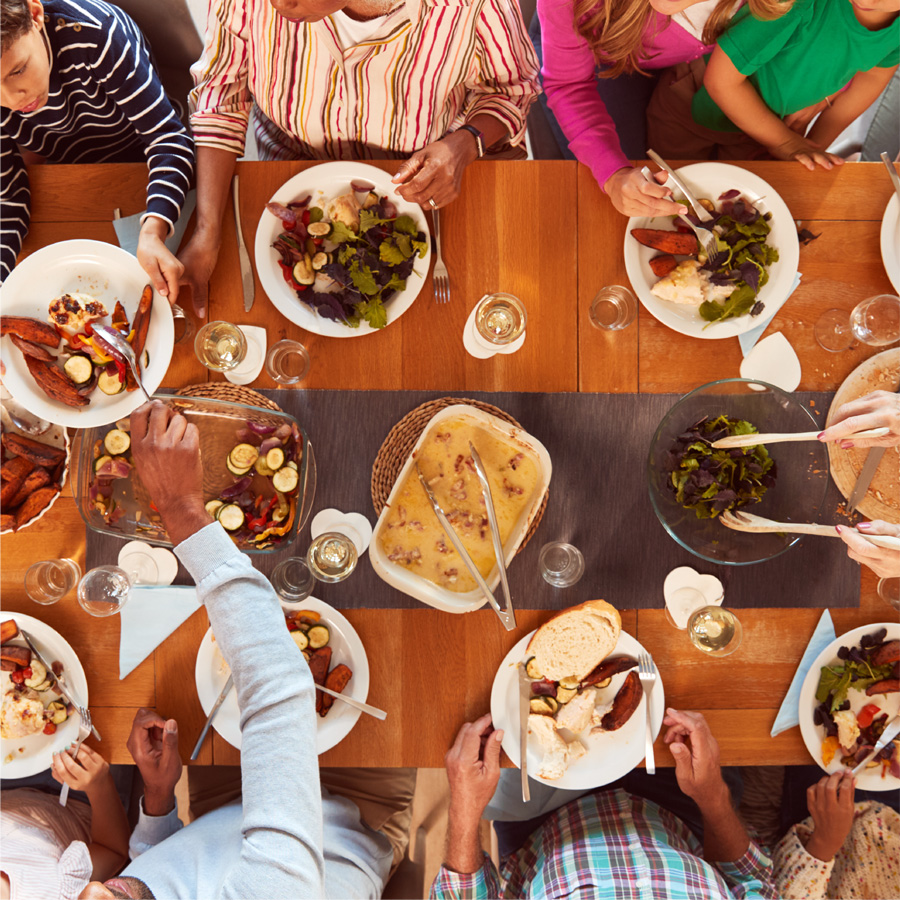
With life, we are always seeking new experiences, and with food, new tastes. Who doesn’t taste their food when they’re cooking? Tasting what you make is such a fundamental principle in preparing good food. There is something magical about the act of preparing meals and eating together. It is an act of giving and sharing. Our relationship with cooking can become more adventurous with trying out new culinary skills and recipes we have wanted to try. In preparing that special culinary creation, there may be some cool culinary tools you need to help.

One tool that has become a “must have” in the kitchen drawer is the bench scraper. A bench scraper, which is also called a pastry scraper or dough scraper, is also used in working with pastry, bread, and other doughs. But even if you don’t bake regularly, it can still be a worthy investment for general cooking prep. It’s also space-efficient and easy to stow away in a prep drawer and is a crazy-easy-to-clean, dishwasher-safe tool that can last you for decades. A bench scraper is one of those inexpensive utensils that lasts a lifetime and has a million uses. 

When chopping vegetables, a bench scraper makes short work of transferring the veggies from the cutting board to the skillet or soup pot without losing half the veggies onto the floor during the transfer. Think of that flat piece of metal as a wide extension of your hand. Imagine the joy you would feel by only making ONE journey from your cutting board to your soup pot instead of your usual six trips as you balance those diced veggies on your knife or in your hand. You can also use your trusty scraper to smash whole cloves of garlic or to smash boiled potatoes before frying them.

Stop by Compliments to the Chef, your Neighborhood Kitchen and Cutlery store located at 33 Railroad Place, to find those cool tools that can help you as you plan out your menus and get chopping. Relish the memories of cooking and eating together as a family! Try out some new tastes and flavors this season. Follow your taste buds and try new things. Remember my Foodie Friends, “Life Happens in the Kitchen,” 

Take Care,
John & Paula

REARDON StrawberryCreamSwissRoll 

“How do you like them Apples?”

Hello my Foodie Friends! 

The summer went by so quickly! September is a beautiful month. Not only does it mark cooler days and evenings, it is also a harvest month. Seeing the ripening apples on the trees reminds me that it’s Back-to-School time. Who doesn’t like a crisp sweet apple in the Fall? So many delicious apples are grown in this region. Many of you may already know this, but the apple is New York’s state fruit. Another fun fact is New York is the second-largest apple producing state in the United States, averaging 25 million bushels of production annually with varieties that include; McIntosh, Empire, Red Delicious, Cortland, Golden Delicious, Rome, Crispin, Gala, Fuji, and many others. 

Did you recently go apple picking and now don’t know what to do with all those apples? Sure it’s great to eat an apple as a snack on its own (or maybe dunked in salted caramel sauce), but you are probably in need of some apple recipes so they do not go to waste. I swear, apples sometimes multiply in the bags after picking them… that, or I just don’t realize how many apples I’ll truly end up with when I pick a bushel. Making desserts and dishes with apples is endless. There are so many ways to prepare apples like; Apple sauce, apple butter, apple pie, poached apples, caramel apples, apple cake, apple muffins, apple cider donuts (yum), apple chutney, or even apples in a Sangria. 

When we get our bushel of apples home, well, first we eat some of them raw – delicious! Then we get creative and make lots of tasty creations with our apple picks. And of course, we use the best tools.

There are cool culinary tools available to help you with your apple creations, At Compliments to the Chef, Your Neighborhood Kitchen and Cutlery store, we have apple peeling machines, apple slicers, mandolins, and even cookie cutters. Cookie cutters are a fun way to dress up a dessert, or get kids involved and eating new foods. Cutting apples into stars, hearts, or even letters is tedious but a fun surprise to include in their school lunch for special occasions. A mandolin lets you cut apples into different widths or with crimped edges. It’s great for making the base of an apple sandwich and can also dress up any snack plate. If you want to secure the apple, but get rid of the core, use an apple corer. This distinctive tool easily removes the core and makes disposal quick and effortless. The unique leveler splits in half for easy release after you twist or push the corer through the apple. 

So, how do you like them apples? Have a wonderful time with your family and friends. Enjoy the harvest moon while listening to Neil Young’s “Harvest Moon” (one of our favorite songs). Remember my Foodie Friends, “Life Happens in the Kitchen” under the harvest moon.

Take Care,
John & Paula

REARDON StrawberryCreamSwissRoll 

Nine Pine Soup & Design Shares the Benefits of White Pine

On Wednesday afternoons under the shade of the south pavilion in High Rock Park, you can find Janine Stockin, also known as Jai, owner of Nine Pine Soup & Design, behind a table of thoughtfully displayed products.

Pine cones adorn a table with jars of white pine needles, teas, and oils. Homemade soup broth gently steams nearby. Tree branches, carefully woven with colorful yarn, are placed around the space. The art of decorating these branches is known as Ojo de Dios or God’s Eye; a traditional Mexican craft that symbolizes peace, protection, and prosperity. Jai handmakes each piece in various sizes and colors meant to inspire meditation and a sense of calmness. 

The main focus of her business is the needles of the white pine tree, a conifer traditionally used for lumber and sap. In this case, Jai uses the pine needles to brew tea and oils rich in vitamins and antioxidants. 

Jai sought a spot as a vendor with the Saratoga Farmers’ Market to share the many benefits of white pine needles with the community. She has been studying plants since age 14 and pursued an education, earning a degree in Botany and Earth Science. In January 2019, Jai became inspired by information on white pine from well-known herbalists like Susan Weed and wildfoodhealthboosters.com. 

White pine has a rich history with Iroquois roots and is known as the “Tree of Peace” for helping to end a conflict between the Five Nations. White pine needles are rich in compounds linked to better health, and, historically, they have had many uses as natural remedies. They are high in antioxidants, Vitamin C, calcium, and potassium. 

Jai makes a healing massage oil infused with white pine oil and almond oil, which deeply conditions the skin. She notes the uplifting aromatherapy of the tea and oil, which soothes and nourishes the body. Jai also makes white pine broth and white pine iced tea. 

Stop by the Wednesday market to speak with Jai about her products and sample her fresh white pine needle tea and broth. Also, find Nine Pine Soup & Design on Instagram. For more information on her products, contact Jai at 9pinedesigns@gmail.com.

The Saratoga Farmers’ Market is open Saturdays from 9 a.m. to 1 p.m. and Wednesdays from 3 to 6 p.m. at High Rock Park. Find us online at www.saratogafarmersmarket.org and follow us on Facebook and Instagram. 

FM Stress Relief Smoothie

“We don’t need a recipe, we are Italian”

Hello my Foodie Friends! 

Today is my mother-in-law’s 89th birthday. We have been blessed to have her in our lives for so many years. This coming week would have also have been my mother’s birthday. Both my mother and mother-in-law come from the Depression era with their Italian heritage being Sicilian and Neapolitan.  For both mothers, the meal and the preparation of the meal was the most important part of the day. Italians hold food and cooking and ingredients and mealtime in high regard. They value a good meal and even more when it is in good company. Over the years, the quest to learn the family recipes has resulted in a form of translation into recipes. Even to this day when my wife attempts to teach our daughter the family recipe for her sauce (gravy), it becomes difficult since it was really the taste that was handed down over the generations. The most common response when learning the family recipes from her mother and grandmother was “this is how you make…” There was nothing written down. Italian dishes are tweaked and improvised all the time. But it’s about learning the cuisine like you learn the grammar of a language – there are forms and structures you need to master. There are underlying frameworks of how ingredients are thought of and how they come together and also cooking techniques, styles of presentation and the order and structure of a meal which all combined form the Italian cuisine language. If you don’t know any of this, then of course you run the risk of making things that any Italian will find a little off. This doesn’t necessarily mean these creations are bad – it just means that they won’t seem Italian anymore, even if they’re not unpleasant or even are very good. People from within a certain food culture (or who know it like a native) can just “tell” when something tastes like it was made by someone who understands the palette of that cuisine.

Throughout the generations, having the right pots and tools are as important as putting together the meal.  There are important essential tools you need for making the foods from our various cultures. What difference could a pan make to the final result? Well, a risotto made in a paella pan would never have the soft gluey quality of a good risotto. A saute’ pan or a good sauce pan is important. The saute’, because of its depth and curved sides, is better for braising meat or vegetables than a frying pan. The straight sides on a sauté pan do a better job of locking in moisture, making it ideal for braising chicken thighs or sausages until they are juicy and tender. 

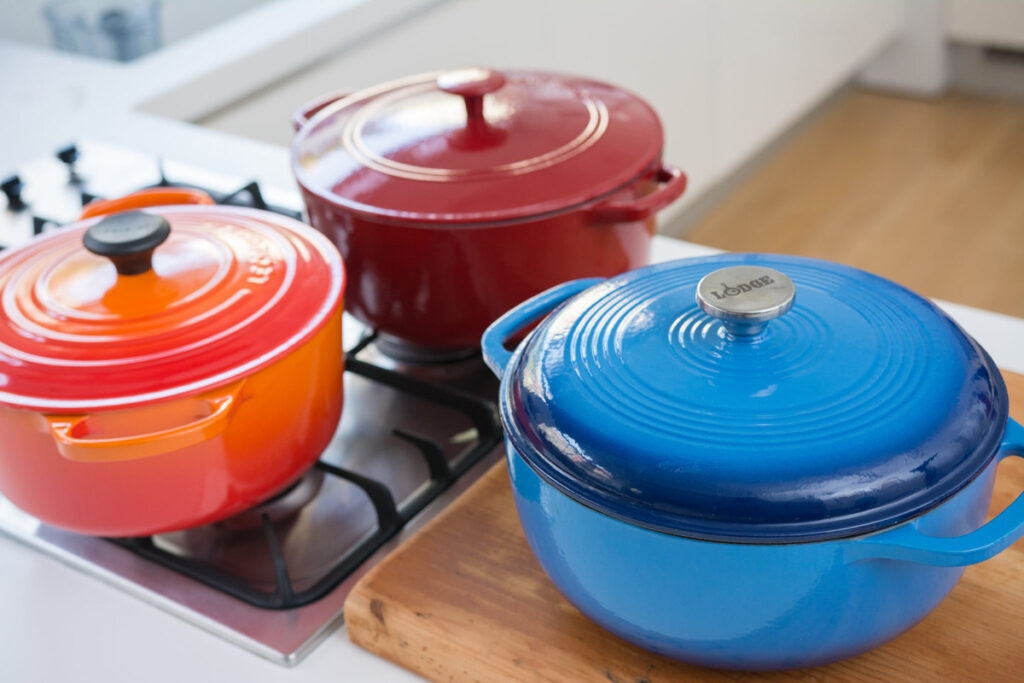
Pasta should be cooked in a cylindrical pot so the water returns to the boil more quickly once you have added the pasta, preventing the shapes from sticking together. Important essential tools to have include; having a Dutch oven the thick cast-iron walls also retain heat for a long time, making it the perfect serving vessel for bringing your food right to the table. Your soup or pasta will stay warm while people help themselves from the big pot. The “spider” is a small strainer basket that makes it easy to pluck pasta and gnocchi out of the pasta pot and dump it right into your simmering pan of sauce. Just the right amount of pasta water carries over, plus you don’t have to schlep a big pot of boiling water to the sink to drain. These are just a “few” of the cool tools you can use to help you with your work. 

Stop by Compliments to the Chef, your Neighborhood Kitchen and Cutlery store, to get the tools you need to make your special meal. We have the pots and pans, and many other accouterments’ you need to make that meal. Every family has a favorite recipe. Ask family members to teach you the traditional recipes that have endured over the generations. Even with lost traditions, there is always something new to learn with food. Remember my Foodie Friends: “Life Happens in the Kitchen.”

Take Care,
John & Paula

REARDON StrawberryCreamSwissRoll 

Finding the Unexpected at the Farmers’ Market

When you take a trip to the farmers’ market in August, what do you expect to find? Surely, fresh produce comes to mind. Sweet corn, tomatoes, and peppers. Maybe eggs, bread, or meats. While those are all certainly a big part of the market right now, keep an eye out for these more unexpected products the next time you visit the farmers’ market.

Plant power

The lush array of plants and herbs at Green Jeans Market Farm include some unusual items that you might have never thought to grow yourself. Take the stevia plant: rather than the powdered white substance found at the grocery store, the plant’s lush green leaves add a hint of natural sweetness to tea or baked goods. Or pick up a catnip plant to use for your cat to enjoy, or, avid gardeners: plant it between rows of vegetables to deter certain pests and animals.

Adult beverages, done differently

There are several great distillers and cider makers at the farmers’ market. If you’re looking to try something new, consider ”cyser” from Ballston Lake Apiaries. Cyser is a honey apple wine, a sweeter and tarter type of mead made with the apiary’s honey and New York apples.

A new vendor this season, Old Tavern Farm, offers 4-packs of canned wine. Choose between rose and chardonnay, and be forewarned: each can contains half a bottle of wine! Ideal for bringing to the track if you’re looking to pick up some beverages before the Travers.

Sip your way to wellness

Argyle Cheese Farmer has a product for you if you enjoy farm-fresh milk but have noticed digestional discomfort after drinking it. Using only milk from a specific type of cow, their “Just A2” kinds of milk don’t contain the A1 protein associated with some cases of indigestion. A gentler way of drinking milk without sacrificing taste.

Moon Cycle Seed Company knows all about being gentler with your body. The wellness brand offers “moon milk:” a soothing drink blend derived from ayurvedic traditions. Grab any of three flavors: cherry beetroot, lavender cardamom, or golden turmeric, and brew with warm milk and honey for a heart-warming concoction.

The next time you visit the farmers’ market, spend some time visiting vendors off the beaten path and uncover an unexpected item that might become your new favorite.

The Saratoga Farmers’ Market is open Saturdays from 9 a.m. to 1 p.m. and Wednesdays from 3 to 6 p.m. at High Rock Park. Find us online at www.saratogafarmersmarket.org and follow us on Facebook and Instagram.

 FM Stress Relief Smoothie

Food on a Stick

Hello my Foodie Friends! 

Grilling in our backyards during the month of August is among my favorite summertime pastimes. Your BBQ, grilling, and outdoor cooking missions can eventually bring you to one of life’s simple joys: meat on a stick. One tool that can help those who are firing up in the backyard is the skewer. Creating food on a stick offers the ability to be creative and to offer various food choices for your family and guests. Serving food on a stick is not only convenient, but it’s also fun! Skewers can be made of bamboo, flexible stainless steel or stainless steel. Finding the right skewer for your grilling mission is key since skewers come in a variety of lengths and shapes, with handle embellishments and smart features. If you’re using a grill with a lid, make sure you choose a skewer length that will allow you to close the grill lid. Metal skewers now come in flat, round, spiral, or square shapes, and some also have double shafts. A square or spiral shape is especially helpful in keeping foods from sliding off the skewer or spinning around the shaft as you turn them on the grill. If you’re already working with spinning skewers (round metal or wooden), you can try using tongs to cradle the foods as you turn them and keep things grilling evenly.

Shish kabobs, usually just called kabobs, refers to meat and vegetables cut into one inch cubes and put on a skewer. “Kabobs,” translated, simply means a meat dish of Middle Eastern origins. In America, most skewered meats and vegetables have been come to be known as kabobs. Some common ingredients for a kabob is onion, bell pepper, various meats, mushrooms, and a variety of other foods. There are many specialties of various skewered meat dishes from all around the world, but in America, kabob has come to mean any of them. While kabobs are not necessarily always cooked on a grill, they usually are. This allows the meat to take on the smoky grill flavor as well as get a nice char on it. With wooden skewers, the skewer has a nice char as well. The key to grilling great kabobs is making sure they cook evenly. Make sure before you place anything on the grill, it’s at medium temperature. Then, as the kabobs cook, rotate them regularly, so they don’t burn on one side while being raw on the other.

If you’re going to make shish kebabs with both meat and veggies, you must precook the meat so that you’re just heating it. Otherwise, by the time the meat is cooked, the veggies will be charcoal. Also, make sure the foods that take longer to cook (like onions and peppers) are cut into smaller pieces than the quick-cooking foods (like pineapple and cherry tomatoes) so that nothing burns. 

Other skew suggestions: Fruit skewers. Just like above, you can put similarly sized chunks of fruit onto a skewer, chill, and serve. It’s even better if you serve a yogurt or cream cheese dip or chocolate fondue with them.

Fresh veggie skewers. Whether you cook them or not, a skewer makes veggies infinitely more appealing to children. The novelty might get veggies into little tummies where they otherwise would not go. As with the fruit, if you serve a dip with them, they might go over better. Or, forget the kids and make grilled mushrooms to add to a steak.

This summer let the aspiring little chefs’ help create unique and memorable food on a stick. Stop by Compliments to the Chef, your Neighborhood Kitchen and Cutlery store, for an assortment of skewers to help you create your food on the stick creations. Remember my Foodie Friends, “Life Happens in the Kitchen!”

Take Care,
John & Paula

REARDON StrawberryCreamSwissRoll 

Building Community with Bread

In February 2021, Leigh Rathner and his wife Cindy Rosenberg moved from Los Angeles to Saratoga Springs, where Rathner had lived earlier in life and raised his children. They had a dream: To feed people and build community. The center was bread. 

Seven months later, their dream has grown into NightWork Bread. NightWork is derived from Rathner’s previous work of logging difficult late-night hours in the film business. Now, those late hours mean care and passion. Rathner makes slow-rising, naturally fermented sourdough bread, often working late at night.

Rosenberg brings the bread to the Saratoga Farmers’ Market on Saturday mornings, where it sells fast. In seven months, Rathner has gone from making 25 loaves a week to 325. 

Their feat is remarkable. Besides learning the basics of business and the many factors that influence the making of artisan bread, they have had to figure out how to build customer support as newcomers to a place where old loyalties run deep.

The secret is bread.

“I’ve always been a community builder,” Rosenberg says. “Bread is a community builder, too.”

The connection got clear in 2020.

Rathner and Rosenberg lived in Los Angeles in a 145-unit condominium, where they knew three other people. Everyone was working or commuting. The COVID-19 pandemic brought people home, including Rathner who saw making bread as a means of calming the mind after his work dried up. As the loaves piled up, Rosenberg began distributing them. They met more people and in the once-lifeless building, a sense of community formed.

People began stopping in open-air hallways and other spaces to chat. Chats became meetups with food and drink. Neighbors began offering Rathner money to cover his bread-making costs. Then came preorders, and ultimately a product Rathner felt comfortable selling to others. 

“That’s how we lived through the pandemic,” Rathner says. “Bread was a part of it.”

He and Rosenberg yearned to move to a smaller town with a strong farm-to-table ethos. Saratoga seemed like a good fit.

Rosenberg, an acupuncturist, learned how to use Instagram from one of her clients in her last days in Los Angeles. En route to Saratoga, she posted reports via Facebook and began friending people and businesses locally, including me after a mutual friend put us in touch. 

Rathner’s past ties to Saratoga also helped. His children had attended the Waldorf School, and even after he left, his friendships with some Waldorf parents had remained strong. 

NightWork Bread is now available at three farmers’ markets, including Saratoga, and Rathner and Rosenberg hope eventually to open a store. 

The Saratoga Farmers’ Market is open Saturdays from 9 a.m. to 1 p.m. and Wednesdays from 3 to 6 p.m. at High Rock Park. Find us online at www.saratogafarmersmarket.org and follow us on Facebook and Instagram.

FM Panza

“Love is All Around”

Hello my Foodie Friends! 

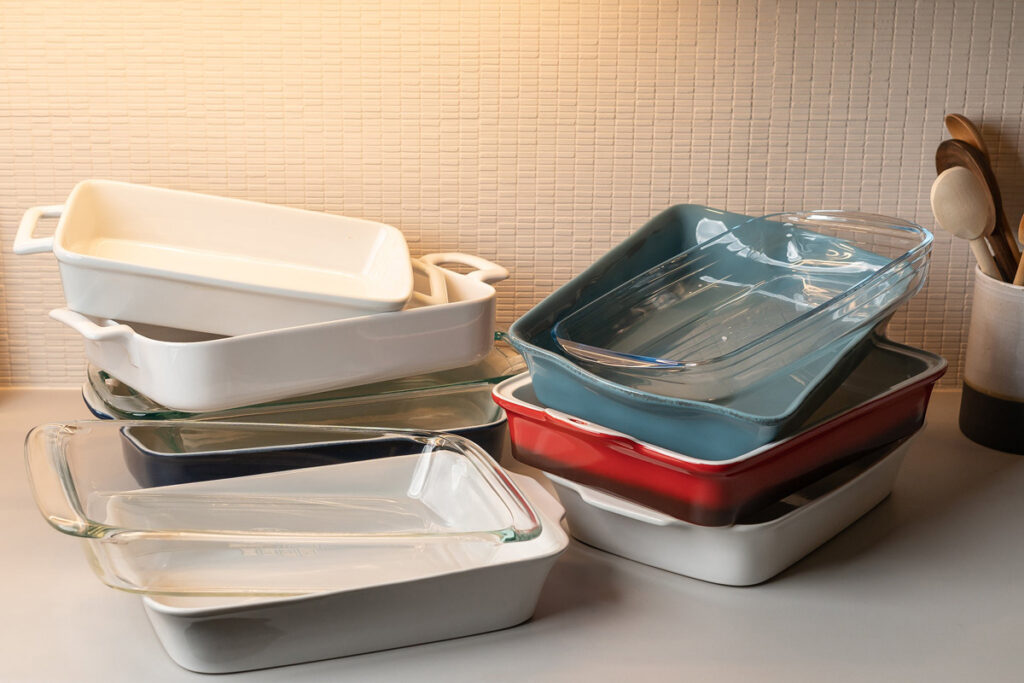
August can be a very warm month and it becomes a quest to stay cool. We tend to eat lighter and refreshing foods during this time of year. One of my favorite summer combos is strawberries and cream.  Our children love waffles with strawberries and whipped cream. When they were younger they probably could have eaten it every single day and not get sick of it.  This combo is also great on or in cake such as a gorgeous Swiss roll.  This is a perfectly refreshing summer dessert that is loved by all! Cake rolls look really fancy as well as complicated but they are actually quite easy to make. One essential item you need to make a cake roll is a jelly roll pan. A jelly roll pan (typically 10½ by 15½ inches) is simply a smaller version of a rimmed baking sheet (about 12 by 18 inches). When it comes to equipping your kitchen, baking sheets are more versatile. You can use one to roast a large batch of vegetables, bake a dozen or more cookies, or even make a large sheet cake. A jelly-roll pan has 1-inch-high sides and is perfect for making cake rolls; it can stand in for a cookie sheet in a pinch.

Love is all around especially when we bring and serve fantastic desserts. We have a ton of bakeware to assist with your fun summer culinary desserts. We also have strawberry hullers and slicers to help you with your strawberry desserts. Stop by Compliments to the Chef, your Neighborhood Kitchen and Cutlery store for those “cool dessert” culinary needs. Remember my Foodie Friends; “Life Happens in the Kitchen!.” 

Take Care,
John & Paula

REARDON StrawberryCreamSwissRoll 

Saratoga Farmers’ Market Meat Producers

The meat vendors bring cuts of beef, goat, lamb, pork, and veal all year. They humanely raise animals and are not CAFOs (concentrated animal feeding operations). Growth promoting hormones and routine antibiotics are never used, and no animal by-products are ever fed.

Josh Carnes started Ramble Creek Farm in 2018. The farm raises heritage-breed pigs to produce their “forest-raised pork,” which lives in their woods protected by an electric-powered net. The farm also produces beef.

Nathan and Meghan Mattison started Grazin’ Acres Farm in 2012 after meeting at the Washington County Fair, where they continue showing their cattle.  They offer beef cuts and will provide custom cuts that customers order. They also pasture-raise their heritage breed pigs. In the future, they’ll also offer cuts of lamb.

Another beef and pork producer, Longlesson Farm, has been a vendor for many years. The farm, started by Christophe Robert’s wife Shannon’s parents, now has 450 acres that supply pasture and hay for their herd of Black Angus. They’ve learned that grass is good for cows, and cows are good for grass! And they’ll have new cuts of pork in the fall.

Hebron Valley Veal is also a new vendor. Ariel Garland and Matt Campbell raise calves from their dairy cows. Their calves are never tethered and receive milk from their registered Holsteins. When six months old, the calves are processed for rose veal cuts, which are lean and tender.

The Market’s goat meat producer, Squash Villa Farm, run by Himanee and Jim Gupta-Carlson, recently bought historic Wright farm in Easton, where French Alpine descendant goats enjoy grazing. Squash Villa is the only goat farm at Wednesday and Saturday Markets.

Mary and Bob Pratt have raised lamb since 1987 at Elihu Farm, named for Revolutionary Patriot Elihu Gifford. Their sheep are purebred Romneys (longwool) and crossbreds (medium wool). Their cuts of lamb are very healthy since most of the fat surrounds the muscles and is easily trimmed. 

Mariaville Mushroom Men is from Schenectady County. Bobby Chandler said that in addition to mushrooms, they raise pork and currently offer seasoned bacon, pork chops, and spare ribs. 

The Saratoga Farmers’ Market is open Saturdays from 9 a.m. to 1 p.m. and Wednesdays from 3 to 6 p.m. at High Rock Park. Find us online at www.saratogafarmersmarket.org and follow us on Facebook and Instagram.


FM LambSatay

Flash Back Friday

Hello my Foodie Friends! 

Part of the American summer road trip can include visits to roadside diners. What is your favorite childhood memory of summer food? I have so many childhood memories of eating with my family. My father was a truck driver so he loved to travel and make a day of driving around the American landscape. We would mostly go through Vermont which is where he grew up. He loved stopping at a local diner as part of our day’s exploration. My father loved diners! The reason being that diners are best known for their history, tradition, an extensive menu selection, large portions of comfort foods at fair prices, quick service served with diner spirit and hearty meals. Chefs and cooks showcased their occupational skill and skillet set through offering huge portions of comfort food classics, while no- nonsense but friendly waitresses served as unofficial family to customers with their welcoming ways. Locals, many with townie and patriotic tendencies, interacted through face-to-face spoken words instead of through technological devices. Truck drivers sat at the counter after long days and nights of life on the road. White collar America, some as business travelers walking briskly over from the adjacent hotel, took that well-deserved break from another anticipated day in the rat race to lighten the day with some home-cooked food. Landscapers and construction workers with clean hands, for now, were hungry, immediately decisive on what to order, and needing to get to work soon. They wasted no time ordering food while showing a close camaraderie as if they were brothers. 

You see, there’s really nothing like eating at a good old-fashioned diner when traveling the small towns and back roads. The experience, quite simply, brings a wonderful slice of American tradition to the senses and taste buds that can only be fully realized by frequenting these local treasures. The diner is an icon of American culture located in almost every city and town. 

I read a fun article about diners on Reminisce.com with some pretty funny diner slang that let the short order cook know what to burn, what to wrack , and what to put a hat on. It is considered “short-order shorthand. As I read these I laughed, while bringing back memories of eating at a diner with my family. By the way; I still love stopping by some of the mainstay diners throughout the northeast. 

Here is a small sampling of the article. Try to guess what the slang means before you read the answer: 

Breakfast: 

Adam and Eve on a raft………………………(poached eggs on toast)

Burn the British………………………………(English Muffin, toasted)

Sinkers and suds…………………………… (Doughnuts and Coffee)

Wreck’em…………………………………….(Scrambled eggs)

Lunch

Bloodhound in the hay………………………(Hot dog with sauerkraut)

Two cows, make ‘em cry……………………(Two burgers with onions)

First Lady……………………………………(Spareribs)

Condiments 

Axel grease………………………………….(Butter)

Paint it red………………………………… .(Ketchup)

Warts………………………………………..(0lives)

Dessert

Eve with a lid on it…………………………(Apple Pie)

Fish eyes……………………………………(Tapioca Pudding)

Houseboat…………………………………..(Banana Split)

Nervous pudding……………………………(Jello) 

This summer, make food memories with your family. My childhood memories almost always include sitting at the table eating with my four siblings, and my parents. Stop by Compliments to the Chef, your neighborhood kitchen and cutlery store located at 33 Railroad Place to help you with your family culinary needs. Remember my Foodie Friends: “Life Happens in the Kitchen.” 

Take Care,
John & Paula

 REARDON SummerBurgers