

Local Community Studio Digs Deep to Rediscover Historic Clay Deposits in Saratoga County
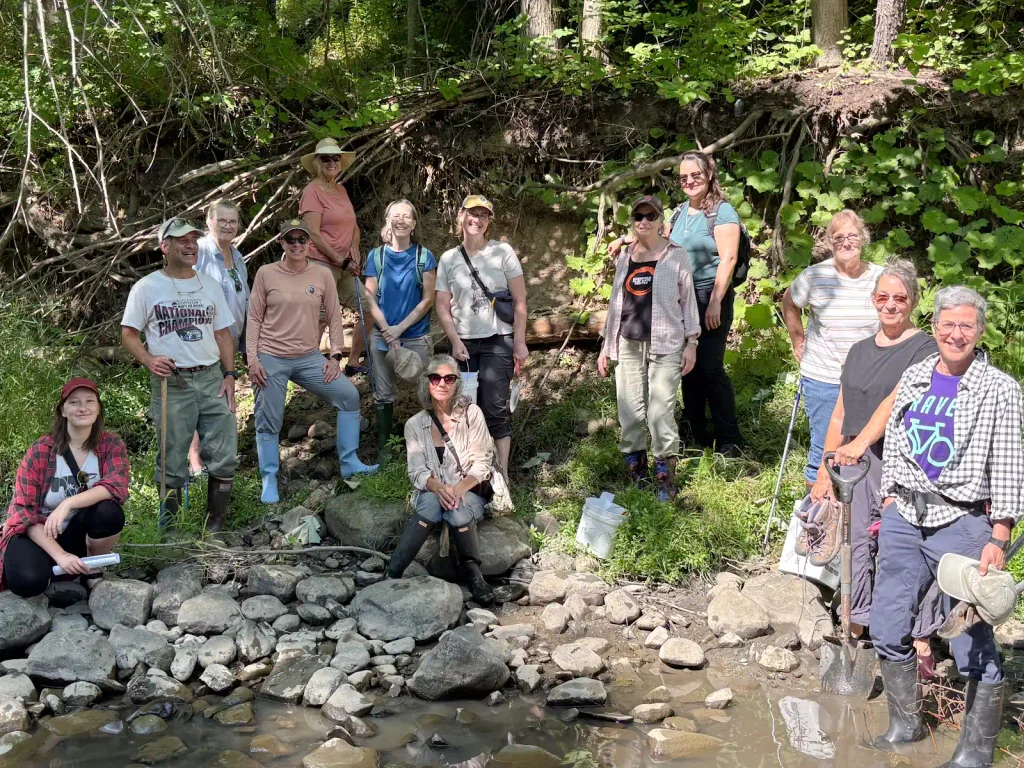
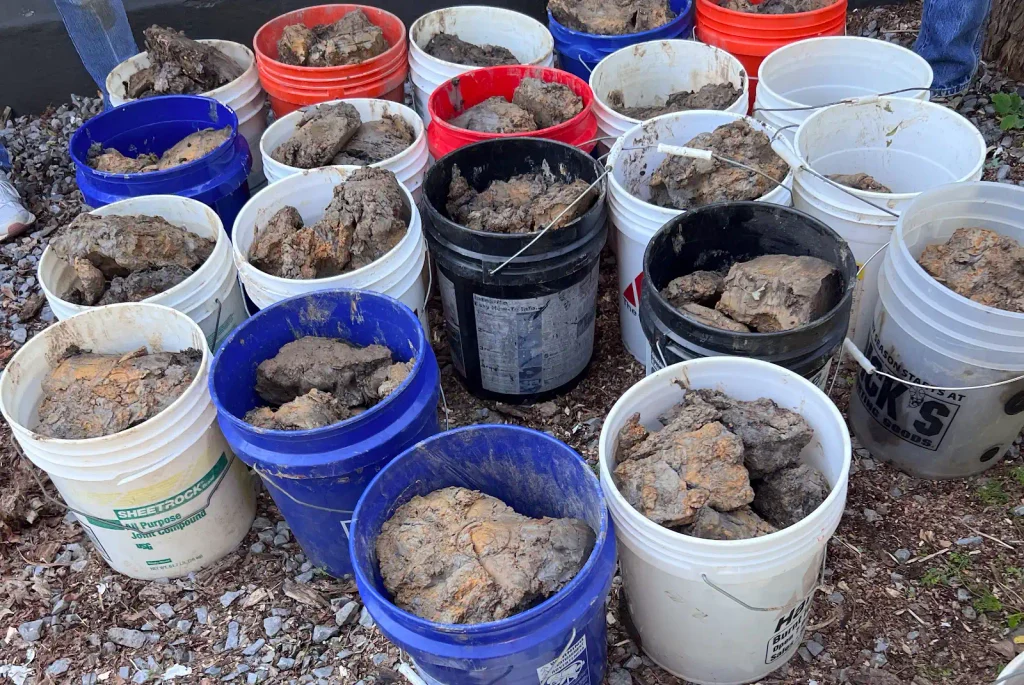
What started with a discovery of a stoneware factory in Galway NY on an 1866 map has grown into a unique community arts program bringing together local historians, geologists, ceramic artists and local residents to uncover the region’s pottery-making past – and make something new from the clay that was once a valuable resource across upstate NY.
The program, called An Expedition in Wild Clay, organized by Main Street Studio in Charlton and funded in part by Saratoga Arts Community Arts Regrant Program includes a series of free presentations, field trips, experiments and hands-on making sessions led by area experts. The goal is for community members to work together to find clay suitable for making pottery, processing it, and making something together with it.
“Our studio community is inspired by working with natural materials,” said Dana Nemec, co-founder of Main Street Studio. “When we started thinking about the clay that most people complain about finding in their gardens and fields — we got excited. We started to wonder how previous generations worked with that ‘nuisance’ clay and what we could make with it today.”
The expedition has been guided by an impressive team of local experts. Arlene Rhodes of the Galway Preservation Society has shared historical clues from old maps, census records, and oral histories tracing the Hudson & French pottery business. Donald Rodbell, Professor of Geosciences at Union College, led participants to the banks of the Alplaus Kill in Glenville to see layers of glacial clay deposited approximately 15,000 years ago — the same clay that artisans have long sought out for pottery making. Don Shore, co-founder of L’Esperance Tile Works in Rock City Falls, has been testing clay samples and guiding the group through processing and firing techniques. And ceramic artist and kiln builder Jordan Becker, owner of Firelight Studio in Saratoga Springs, has been leading a kiln building effort to construct a wood-fired kiln from clay the group dug themselves.
“We started with a map and a mystery,” Nemec continued. “What we found was a community of people who all have something to contribute — a farmer who knew ‘where the geese go’ is where we’d find clay, homeowners and historians with clues of where clay was dug generations ago, a geologist who helped us understand why this area is so rich in clay deposits, community members ready to lend a hand, and many talented artists who can turn raw earth into something beautiful.”
There is still time to get involved. On Saturday, September 19, the public is invited to Main Street Studio to make small clay objects alongside local ceramic artists, while Jordan Becker constructs a primitive wood-fire kiln from over 800 lbs of clay dug by community volunteers from the West Glenville hills. On Tuesday, September 22, Arlene Rhodes will give an in-depth presentation at Main Street Studio tracing the history of the area’s 19th century pottery industry through old maps, land deeds and census records. The closing Wild Clay Reception & Silent Auction on Saturday, October 17 from 5 to 9 p.m. will feature fired clay pieces by community members and local artists, a silent auction, and live music. All events are free and open to the public at Main Street Studio located at 786 Charlton Rd, Ballston Lake. More information and event registration can be found at www.mainstreetcharlton.com or by emailing info@mainstreetcharlton.com.