Nancy Sutin Honored for Lifetime Contributions to Capital Region
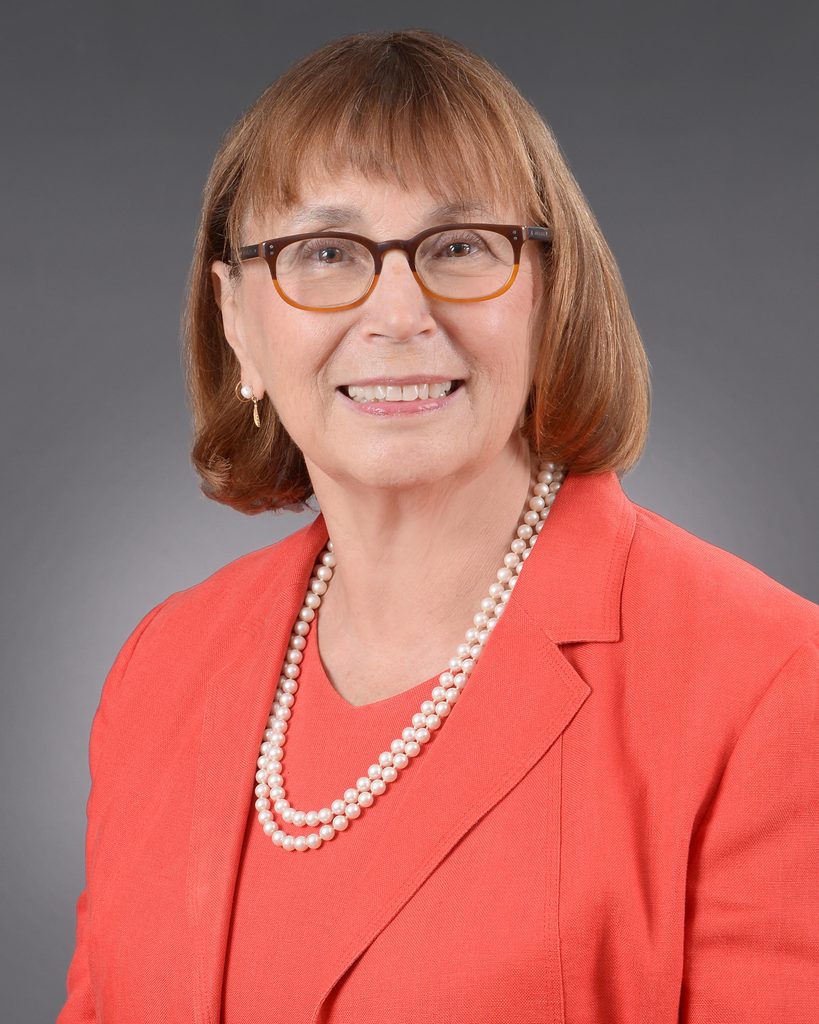
Longtime Saratoga Springs resident, Nancy Sutin, has been inducted into the Albany City School District’s Hall of Fame in recognition of her successful professional career and extensive community service.
The Class of 2026 Hall of Fame induction ceremony took place Oct. 3.
Born and raised in Albany and a 1968 Albany High School graduate, Sutin “has followed a proud family legacy of high achievement throughout her life, building an exceptional professional career in the law while also committing herself to serving her community,” the Albany City School District said in announcing the honor.
Her father, Nate Sutin, was inducted as a member of the district’s inaugural Hall of Fame class in 2009.
Nancy Sutin co-founded the four-piece folk band Focus, which played in Caffè Lena in Saratoga Springs.
She graduated magna cum laude from the University at Albany in 1972 and earned a master’s from Brandeis University in 1976. During those years, she devoted time to various Jewish organizations and shared her lifelong love for swimming as a summer camp director in Maine. She graduated in 1984 from Albany Law School, where she was recognized with the prestigious Lillian Friedman Award for Excellence in Family Law.
“Over the next nearly four decades, Nancy built a distinguished private family law practice, serving communities throughout the Capital Region. Her legal expertise and reputation for integrity led to her 2017 appointment as a state liaison between family attorneys and the state administrator in her judicial district,” the Hall of Fame website page notes.
“Beyond her professional practice, Nancy has been a tireless champion for non-profit organizations. From 2002-08, she served as board president of the Saratoga Independent School. During her tenure, she demonstrated exceptional stewardship by spearheading a capital campaign that secured $1 million in funding for the development of its Route 29 campus,” the district’s Hall of Fame website page continued.
In addition, Sutin has devoted 16 years to Soroptimist International of Saratoga County. While president, she spearheaded the “Project Hope and Power” initiative, empowering victims of domestic violence to obtain their legal and financial independence. She is currently co-chair of the organization’s Secret Gardens Tour, its major fund-raiser.
Sutin served two terms as board president of Home Made Theater in Saratoga Springs, providing steady stewardship through significant periods of organizational transition. She also served on the board of the former Planned Parenthood of Northeastern New York.
“Through her legal career, visionary non-profit leadership and an unwavering commitment to the greater good, she has left an indelible mark on the Capital Region,” the district posted on its Hall of Fame website page.