

Tang Museum Reveals Secrets of Ancient Mystery Religion
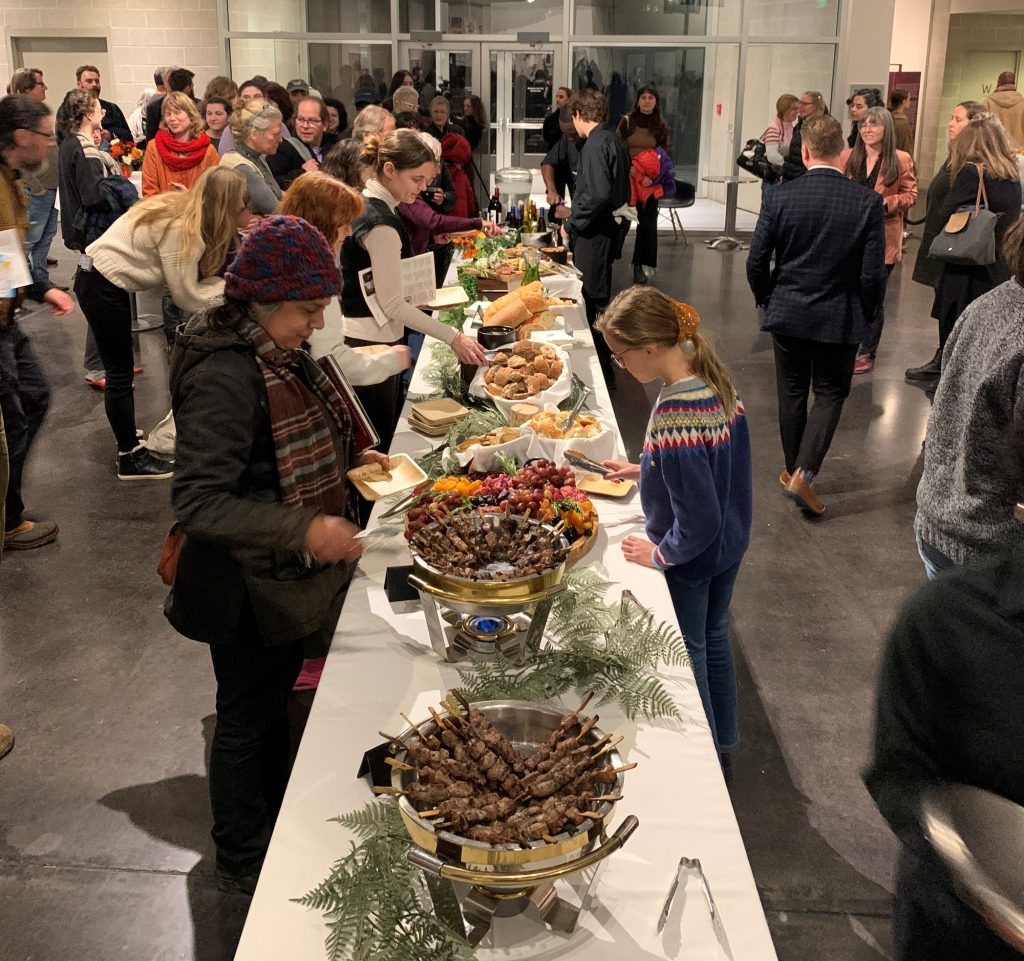
SARATOGA SPRINGS — Mithraism may have petered out more than a thousand years ago, but it made something of a comeback at the Tang Teaching Museum and Art Gallery last Thursday. There, visitors partook in a Mithraic feast of grilled meat, olive oil, bread, wine, and fermented fish sauce that recreated (to some extent, at least) the ritualistic practices of a mystery religion once prominent in Ancient Rome.
Mithraism died out sometime during the late 4th century, when Christianity took hold of Rome. But before that, depictions of the god Mithras appeared in “almost every province” of the empire, said Brigitte Keslinke, a PhD candidate in Art and Archaeology of the Mediterranean World at the University of Pennsylvania.
Although archeologists have discovered hundreds of sites containing materials believed to be related to Mithraism, no written texts explaining the beliefs or narratives of the religion have survived.
“I’ve come to terms with the fact that there’s a lot that we just won’t know unless we somehow find this text, this magical book, that tells us what people were doing and why,” Keslinke said during a Dunkerley Dialogue event about Mithraism at the Tang on Nov. 13. “But one of the things we do know and one of the things that interests me most is that we know community was important. This was an occasion to come together and hang out with people.”
In that sense, the event at Tang faithfully followed Mithraic practices. Attendees gathered to enjoy the Mithraic meal before venturing upstairs to see artist Sheila Pepe’s installation, “When & Where We Rest,” which transformed the museum’s mezzanine into a “communal lounge for reflection and conversation.”