Tax Tips to Keep in Mind Now That Tax Day is Upon Us – Audit and Record Keeping Advice for 2024

Most of the articles relating to tax tips relate to reporting your income, available deductions and credits, and changes in income tax rates.  All of that advice is important, but I thought it would be useful to focus on the lesser discussed issues of responding to an audit and record keeping.  While you may think that audits are generally targeted at the ultra-wealthy, a recent Wall Street Journal article reported that, as of last summer, 63% of new audits were targeting income taxpayers with income of less than $200,000 a year.

To help better inform you on the issues of audits and record keeping, below is a set of Questions and Answers on those lesser discussed – but still important – tax matters.

IF I GET A NOTICE FROM THE IRS, DOES THAT MEAN I AM BEING AUDITED?

Not necessarily.  The IRS may contact you for various reasons, such as:

• Verification of withholding or tax payments – you may have to provide copies of Form W-2, Forms 1099 and other documentation that substantiates payments made on your behalf.

• Unreported income – banks, investment firms, and employers are required to report annually to the IRS the income that they have paid to individuals.  If the IRS receives a report of income that does not appear to be included on your tax return, they will notify you and assess tax liability for the unreported income.  If you agree with the change, you can pay the balance due.  If you don’t agree, you will have an opportunity to protest the liability.   

• Late payment or underpayment of tax – if you are required to make estimated tax payments or submit the amount you owe to the IRS after the due date, you may receive a notice with late payment interest and penalties. 

HOW FAR BACK IN TIME WILL A NOTICE RELATE TO?

• 3 years – in general, the IRS can go back up to three years from the original date of filing or due date of the tax return. 

• 6 years – If you did not report income that you should have reported and it is more than 25% of the gross income shown on your return, or it is attributable to foreign financial assets and is more than $5,000, the time to assess the tax is six years from the date you filed the return.

• No limit – There’s no period of limitations to assess tax when you file a fraudulent return or when you failed to file a return.

HOW WILL I KNOW IF I AM BEING AUDITED?

You will receive an IRS Letter 2205-A that specifically states that your tax return for a particular year has been selected for examination.  It will also include the contact information for the agent conducting the audit, the areas of your tax return they are auditing, and what the next steps are.  You will never receive a phone call notifying you of an audit. 

WHAT DO I DO IF I AM AUDITED?

• Stay calm.  Although the IRS has an ominous reputation, most agents are very reasonable and are willing to work with taxpayers.

• Contact a CPA, Enrolled Agent, or accountant to represent you during the audit.  Their experience allows them to advise you on reasonable documentation to provide.  These professionals also provide a buffer between you and the IRS.        

• Complete a Power of Attorney (Form 2848) to allow the IRS to speak to your representative on your behalf, which will likely expedite the audit process.

• Provide organized documentation to substantiate income or deductions presented on your tax return.  If you give an IRS agent an unorganized box full of receipts and bank statements, you may inadvertently open further areas to audit. 

• Provide only the documentation needed to support the items in question.  The IRS will sometimes request documentation for only specific areas of your tax return.  There is no need to provide information beyond what they requested. 

• Upon completion of the audit, decide if you agree or disagree with the findings.  If you agree, you can request an installment agreement to pay any additional tax and penalties that are being assessed.  If you disagree, you can request mediation or a hearing to appeal the decision.

• If your federal tax return changes because of the audit, you must amend your state income tax return to reflect any changes the IRS made on your federal return.  The IRS will communicate the changes to your state tax agency; however, you may be able to reduce interest and penalties by self-reporting the adjustment. 

HOW LONG SHOULD I KEEP MY TAX RECORDS?

• Prior filed tax returns – seven years from the date of filing.  Our 2023 tax returns are due on April 15, 2024.  You should retain your tax returns for the years 2016 (due April 15, 2017) through 2023, along with all documents supporting items of income and deductions on those tax returns.

Closing statement for the purchase of your home – permanently, unless you sell it, then for seven years after the sale.

• Investment purchases – permanently, unless you sell them, then for seven years after the sale.

Inherited property/assets – most inherited property is revalued upon the decedent’s date of passing.  You may request Form 8971 from the executor reporting the basis of assets that you inherited. It is recommended you retain the Form 8971 permanently, unless you sell the assets, then for seven years after the date of sale.

Bank statements, utility bills, credit card statements etc. – seven years for business owners; for individuals, it is a personal preference if you do not have items of income and deductions that you need to substantiate on your tax returns.

Special thanks to my wife Sarah Dorsey, CPA, who provided valuable assistance in the writing of this article.  As is often the case, Sarah helps me sound much more intelligent than I actually am.  Thank you to Sarah and all those hard-working accountants out there who will soon be able to take a well-deserved rest after next Monday – April 15th!

Matthew J. Dorsey, Esq. is a Shareholder with O’Connell and Aronowitz, 1 Court Street, Saratoga Springs, NY. Over his twenty-seven years of practice, he has focused in the areas of elder law, estate planning, and estate administration. Mr. Dorsey can be reached at (518)584-5205, mdorsey@oalaw.com and www.oalaw.com. 

We Can Finally Sleep In

Our family runs on a schedule that was set in large part almost twenty years ago, when my oldest was born. My mental health was dependent on having a knowable, consistent daily schedule, and while my son’s needs dictated that daily schedule and changed it as needed, I made it my job to stick to whatever his current schedule was and worked all other things around it.

So, for example, if the baby’s regular napping schedule fell into a 10am and 2pm pattern, then I would not leave the house during those times so that he could have his nap. If I needed to leave the house during those times, I would try to make sure that the nap could happen at its normal time — maybe while driving to where we needed to go (car-bound errands were good for this, like getting gas and going through the bank drive-through, and then continuing to ride around as needed), or I would make sure we arrived at our destination (grandparents’ house, for example) in time for me to put the baby down at his normal nap time. Not everyone understood nor agreed with this approach, but they didn’t need to — it was what I felt was needed to keep my baby healthy, our household running smoothly, and myself sane.

As more babies came, this approach became a bit trickier, leading to lots of at-home time — we didn’t go out much for a long time. Naps and nursing were most important for the babies; naps and eating were most important for the toddlers and preschoolers; all of it was done in service of regular bedtimes and peaceful nights. I learned how to nudge a schedule one way or another if I needed to for the good of the family as a whole or an unexpected happening on a particular day, but in general, we all appreciated that we knew what was happening at each part of each day.

Those baby schedules are echoed in our current schedules, even though the last baby is now five years old. We’ve always gone to the 8:00 Mass on Sundays because that’s what worked best for my first baby’s nap schedule. We still have quiet time around 3:00 or so each day — this used to be the afternoon naptime and has stayed on as a much-needed bit of downtime. I still feel a little anxiety settling in when something interferes with that 3:00 quiet time (which actually happens quite a bit these days due to sports and other after-school activities). 

This adherence to the schedule of our baby years is crumbling here and there, though. One thing that could never happen during the baby years was sleeping in. I made sure the babies were up early enough each morning that they’d nap at their regular time and be ready for their regular bedtime that night, so even on Saturday mornings when we had nothing planned, I made sure to get the kids up by 8:00 to keep us all on schedule. For all the past many years, there was never any sleeping in … and now, all of a sudden, there is! Several recent Saturdays have seen all of us sleeping in a bit — what a nice change it’s been to have slow, sleepy mornings instead of the cranky, early mornings that we all hate so much! We won’t be able to do this all the time — Saturday mornings are for basketball games in the winter and baseball games in the spring — but in between sports seasons and when we have a later-in-the-day game, we are a family that sleeps in!

Another thing that’s different is that it’s no longer a problem to allow the little guys to snooze during the day. I don’t mean a full-on regular nap — that hasn’t been a thing for a while — but sometimes my youngest will fall asleep on the couch after a particular busy day outside, and just the other night, he leaned into my shoulder and fell asleep during a movie. In the old days, I’d do whatever I could to prevent the kids from falling asleep any time that wasn’t naptime or bedtime, because doing so could mess up the whole schedule, and especially because they wouldn’t be tired for bedtime, which could mean they’re up far too late for my own level of energy. It’s such a relief that I don’t need to worry about that any more! Now, if my littlest guy falls asleep during the day, we can still put him to bed at his normal time since he’s old enough to stay in bed and not get into trouble.

I’ve written a lot this year about the changes in our family and household since we no longer have any babies or very small children in the house — I hope you’re not sick of it yet! I hope that it’s a help to those of you in the trenches of parenthood, when it seems like everything and everyone is tired, tired, tired. I was there for many, many years, and now that I’m not, I’m both amazed that we’ve moved on as well as missing those days. I’m going to say those things that parents of young children sometimes get irritated by, but they’re so true: enjoy these days, because they go faster than you think; the days are long but the years are short; and these are some of the very sweetest days in the life of parents.

Kate and her husband have seven sons ages 19, 17, 15, 14, 12, 10, and 5. Email her at kmtowne23@gmail.com.

Falling Prices: Be Careful What You Wish For

Deflation is a term that describes a decrease in the prices of goods and services in an economy. While this may sound like a good thing on the surface, in reality, deflation can have serious negative consequences for the economy as a whole.

One of the primary reasons why deflation is a bad thing is because it can lead to a decrease in consumer spending. When prices are falling, consumers may delay making purchases in the hope that prices will continue to drop further. This can lead to a decrease in demand for goods and services, which in turn can lead to lower production levels and layoffs in industries that rely on consumer spending. This decrease in consumer spending can create a vicious cycle, as lower demand leads to further price decreases, which in turn leads to even lower consumer spending. 

Deflation can also have a detrimental impact on businesses. When prices are falling, businesses may struggle to maintain their profit margins. This can lead to cost-cutting measures such as layoffs, wage cuts, and reductions in investment and expansion plans. This can have a negative impact on the overall health of the economy, as businesses are less likely to invest in research and development, which can stifle innovation and economic growth.

Deflation can also make it more difficult for individuals and businesses to repay their debts. When prices are falling, the value of assets such as homes and cars can decrease, making it more difficult for individuals to sell these assets to pay off their debts. This can lead to a rise in defaults and bankruptcies, which can have serious consequences for both individuals and the economy as a whole. 

Another negative consequence of deflation is that it can lead to a decrease in wages. When prices are falling, businesses may be hesitant to increase wages for fear of being unable to pass on these increased costs to consumers. This can lead to a decrease in disposable income for consumers, which can further depress consumer spending and lead to lower demand for goods and services.

Finally, deflation can lead to a decrease in investment and economic growth. When prices are falling, businesses may be reluctant to invest in new projects or expand their operations, as they may not be able to earn a sufficient return on their investment. This can lead to a decrease in productivity and economic growth, as businesses are less likely to invest in new technologies and processes that can drive economic expansion.

While deflation may sound like a good thing in theory, in reality, it can have serious negative consequences for the economy. From decreasing consumer spending and business profitability to making it more difficult to repay debts and stifling economic growth, deflation can have a wide range of negative impacts that can harm individuals, businesses, and the economy as a whole. A modest level of inflation from year to year is necessary to help ensure the economy functions as it should. It is important for policymakers to be aware of the potential dangers of deflation and take steps to prevent it from occurring.

Stephen Kyne CFP® is a Partner at Sterling Manor Financial, LLC in Saratoga Springs.   

Securities offered through Cadaret, Grant & Co., Inc. Member FINRA/SIPC. Advisory services offered through Sterling Manor Financial, LLC, or Cadaret Grant & Co., Inc., SEC registered investment advisors. Sterling Manor Financial and Cadaret, Grant are separate entities. 18 Division St, Ste 202, Saratoga Springs, NY 12866 518-583-4040

The Top 6 Supplements Everyone Should Take Daily

In the quest for optimal health and well-being, incorporating key supplements into your daily routine can serve as a valuable complement to a balanced diet and lifestyle. Here are the top six supplements that are widely recommended for most individuals to consider taking daily:

1. Multivitamin: A high-quality multivitamin can help fill in nutrient gaps in your diet, providing a broad spectrum of vitamins and minerals essential for overall health. Look for a multivitamin that covers essential nutrients such as vitamin A, C, D, E, B vitamins, zinc, magnesium, and more.

2. Omega-3 Fatty Acids: Omega-3 fatty acids, particularly EPA and DHA, are crucial for heart health, brain function, and inflammation regulation. Fish oil supplements or vegan alternatives like algae oil can help support cardiovascular health, cognitive function, and joint health. 

3. Vitamin D: Vitamin D plays a vital role in bone health, immune function, and mood regulation. Many people have insufficient levels of vitamin D, especially those living in regions with limited sunlight exposure. Consider taking a vitamin D supplement, especially during the winter months.

4. Probiotics: Probiotics are beneficial bacteria that support gut health and digestion. They can help maintain a healthy balance of gut flora, boost immunity, and aid in nutrient absorption. Look for a broad-spectrum probiotic supplement with multiple strains for optimal benefits.

5. Magnesium: Magnesium is involved in hundreds of biochemical reactions in the body, supporting muscle function, nerve transmission, and energy production. Many people do not get enough magnesium from their diet, so a magnesium supplement can be beneficial for relaxation, sleep, and overall well-being.

6. Turmeric: Turmeric contains a powerful anti-inflammatory and antioxidant compound that may help reduce inflammation, support joint health, and improve cognitive function. Consider a turmeric supplement with added black pepper for enhanced absorption.

While these six supplements are generally safe for most individuals, it’s important to consult with a healthcare provider before adding any new supplements to your regimen, especially if you have pre-existing medical conditions or are taking medications. Additionally, supplements should complement a healthy diet and lifestyle, not replace them.

By incorporating these top six supplements into your daily routine, you can support your body’s essential functions, promote overall wellness, and potentially improve your quality of life. Remember that individual needs may vary, so personalized guidance from a healthcare professional is key to optimizing your supplement regimen for your specific health goals and requirements.

Dr. Matt Smith has been a Chiropractor in Saratoga Springs for the past 37 years. He and his daughter Dr. Kevy Smith Minogue can be reached at www.mysaratogachiropractor. com or call 518-587-2064.

This Too Shall Pass

Because of much illness in the house, I’m running this piece that previously appeared in the March 9, 2012 issue of Families Today. I’m amazed at how relevant it still is!

One of my biggest nightmares is not getting enough sleep.

I’m not kidding — I’ve always been one of those people who can take a four-hour midday nap and still fall asleep at my regular bedtime and sleep soundly all night. The possibility of not being able to sleep when I feel I need to has always made me feel like panicking, like I can’t breathe. 

“Then why on earth do you have so many children?” you might ask, and I’ll tell you: it’s definitely NOT because of the sleepless nights and full mind-and-body exhaustion that increases the younger your children are.

And when the kids are sick? Oh my goodness. Not only does my nightmare of little-to-no sleep become a reality, but it’s amplified to nearly unendurable proportions by beds that need to be stripped of pukey sheets or breathing treatments via nebulizer or loud crying children that threaten to wake up all the others, all in the dark hours of the night, when even the relief of sunrise is tempered by the sure knowledge of a long, tired, cranky day ahead. (Though a full pot of freshly brewed coffee first thing in the morning perks me up like nothing else.)

I’ve had many such nights since becoming a mom, but none so numerous and concentrated in such a short time span and involving so many people — adults and children both — as the two weeks we’ve just emerged from. During that time I made four separate trips to the pediatrician, with different combinations of kids each time, resulting in one diagnosis of pneumonia, one diagnosis of strep throat, one ear infection, and a case of bronchiolitis that landed the baby in the hospital overnight. There were also thirteen cumulative missed days of school between our three school-goers, and so many different medications that I assigned a plate to each child, which I kept by the kitchen sink, with the necessary droppers or medicine cups and dosing directions on each one.

I was already feeling stretched to the limit and exhausted in that way that only lack of sleep coupled with worry can cause, when we were delivered what felt like the death blow: a horrendous stomach bug that raced through every single member of our family all at the same time, the effects of which we’re still feeling even now as I write, a week and a day after it first appeared at our door. (Or more correctly, on our kitchen floor, as that’s where the two-year-old was when he, the first of the pukers, threw up for the first time.)

Now that we’re all on the mend, and our recent warmish weather (despite the snow) has allowed me to have the windows open often, and I’ve caught up on sleep a bit, I’m clear-headed and back to my generally cheerful self enough to see silver linings and blessings in disguise when it comes to being a mom of sick little ones. I made this list, for the next time we’re all so miserable, to remind myself that it’s not the end of the world:

•I am often my best self when the kids are sick. Five years ago, when my oldest was two and my second was eight months old and they were both sick, I wrote in a journal entry, “When they’re sick, I stop everything else and focus completely on them. I hug them and hold them. I respond immediately to every whimper and request. I finally feel like I am mothering them the way I should.” I remember being struck by and grateful for the way I’m forced to focus on the kids when they’re sick, when all of the “me” things have to be put aside. It’s nice to feel like I’m doing something right, like I’m the person I’m always striving (and often failing) to be.

•I’ll have another chance to do it better. Despite the previous bullet point, I’m not always my best self when the kids are sick, and my failure rate increases the more children that are sick, and/or the longer the sickness goes on, and/or if I am also sick, and/or the more tired I am. That’s a lot of “and/or” scenarios! And given that my most sincere objective in life is to be the best, most loving person I can be to those in my care, to those I love, such frequent failure tends to get me down. So I always resolve to do it better next time — and when it comes to small children being sick, there will always be a next time.

•I can get by on a lot less sleep than I think. This one took a long time for me to realize, but it’s so true. Interrupted nights and napless days, even several in succession, do not actually cause this mother to pffth into dust and blow away. Too many without any relief or hope can definitely poke holes in my sanity, but generally, for me, a shower, a cup of coffee, some fresh air, and adult company (even just saying hello to the other parents at school pickup, or being out and about at the grocery store, or a good chat with my mom, or dinner alone with my husband after the kids are bed) can make otherwise really difficult, tired days bearable.

But then, perhaps you’re not at all interested in whether or not personal growth happens when you and your family are tired, and sick, and miserable? Perhaps you’re totally rolling your eyes or gagging at my thoughts from the bright side? Fair enough, my Pollyanna points would not have been welcome at my sickbed either. My final ray of hope, then, when all else fails, is to trust that “this too shall pass.” That journal entry I mentioned above, written five years ago, also revealed that my oldest had been diagnosed with pneumonia two days earlier — something I’d completely forgotten, even with his recent diagnosis of pneumonia. I had no memory of it until reading that, and yet, I’m sure that when I wrote it, I felt shadowed by the cloud of “Will this never end?” But it did. It ended, it passed, it was even forgotten. Hope springs eternal, and I’m hoping spring is sunny and sick-free, for us and for all of you.

Kate and her husband have seven sons ages 19, 17, 15, 14, 12, 9, and 5. Email her at kmtowne23@gmail.com.
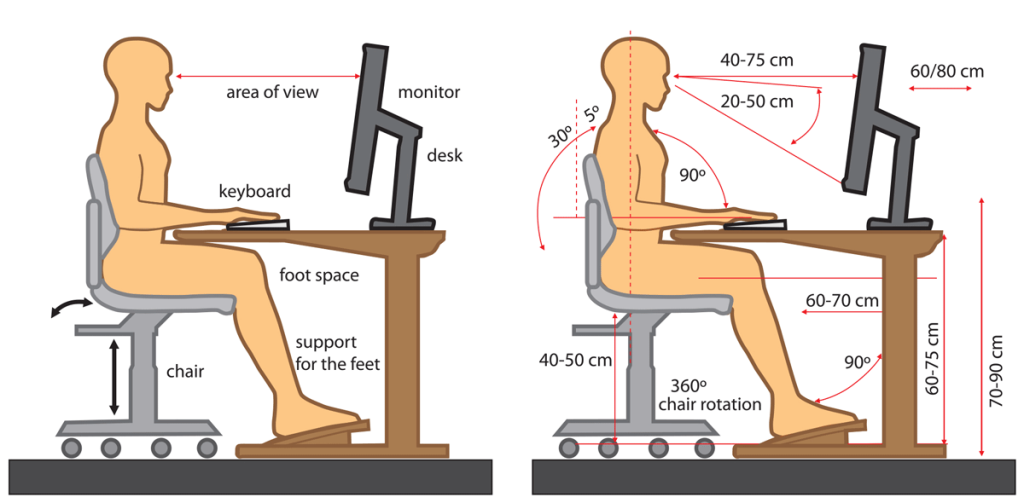
Tips for Injury-Free Spring Cleaning and Yard Work

As the scent of spring fills the air of Saratoga Springs, many households start their annual rituals of spring cleaning and yard work. While these activities are essential for maintaining a healthy and inviting living space, they can also pose risks of injury if not approached with caution. To ensure a safe and injury-free season of sprucing up your home and outdoor spaces, follow these practical tips:

Warm-up & Stretch 

Before diving into any physically demanding tasks, take a few minutes to warm up your muscles and stretch your body. Gentle stretching can help prevent muscle strain and increase flexibility, reducing the risk of injuries during cleaning and yard work.

Use Proper Equipment 

Make sure you have the right tools for the job. Using ergonomically designed tools can help reduce strain on your body and minimize the risk of repetitive motion injuries. Be sure to wear protective gear like gloves, goggles, and sturdy shoes to prevent cuts, bruises, and accidents.

Lift with Care 

When lifting heavy objects like furniture, boxes, or bags of mulch, remember to lift with your legs, not your back. Bend your knees, keep your back straight, and use your leg muscles to lift the load. Don’t twist your body while carrying heavy items to avoid back injuries.

Take Breaks Regularly

 Cleaning and yard work can be physically demanding, so it’s essential to listen to your body and take breaks as needed. Spending hours on a task without rest can lead to fatigue, muscle strain, and increased risk of injury. Schedule short breaks to rest and hydrate during your cleaning and gardening sessions.

Watch Your Posture 

Whether you are scrubbing floors, raking leaves, or pulling weeds, maintain good posture to prevent strain on your muscles and joints. Avoid hunching over or slouching while working. Keep your back straight, shoulders relaxed, and take frequent posture checks to prevent stiffness and discomfort.

Stay Hydrated and Fuel Up 

Stay hydrated by drinking plenty of water while engaging in physical tasks. Dehydration can lead to fatigue and muscle cramps, increasing the risk of injuries. Fuel your body with nutritious snacks and meals to maintain energy levels and support your physical exertions.

Ask for Help 

Don’t hesitate to ask for help with heavy lifting or challenging tasks. Involve family members, friends, or hire professionals if needed to share the workload and prevent overexertion. Working together not only makes the tasks more manageable but also reduces the risk of injuries.

Listen to Your Body 

Pay attention to any signs of pain, discomfort, or fatigue during spring cleaning and yard work. Stop the activity if you experience sharp pain or persistent soreness. Consult a healthcare provider if you have concerns about any injuries or physical limitations.

By following these tips and adopting safe practices, you can enjoy a productive and injury-free season of spring cleaning and yard work. Prioritize your well-being, practice good body mechanics, and take preventive measures to ensure a safe and satisfying experience while rejuvenating your living spaces for the season ahead.

Dr. Matt Smith has been a Chiropractor in Saratoga Springs for the past 37 years. He and his daughter Dr. Kevy Smith Minogue can be reached at www.mysaratogachiropractor.com or call 518-587-2064.

Artificial Intelligence Has the Potential to Revolutionize the Economy

Artificial Intelligence (AI) is rapidly transforming the global economy, and its potential impact on macroeconomic factors cannot be understated. From boosting productivity to driving innovation, AI has the potential to significantly benefit the economy in numerous ways.

One of the key benefits of AI on the economy is its potential to boost productivity. AI-powered technologies have the ability to automate routine tasks, analyze large volumes of data, and perform complex calculations at an incredible speed. This can lead to significant efficiency gains in various industries, ultimately increasing output per hour worked. As a result, businesses can produce more with the same amount of resources, leading to higher economic growth and improving living standards for society as a whole.

AI has the potential to drive innovation and create new industries. By harnessing the power of AI, businesses can develop new products and services, improve existing processes, and even create entirely new markets. This can lead to the emergence of groundbreaking technologies and business models, stimulating economic growth and job creation in the process. In fact, a report by PwC estimated that AI could contribute $15.7 trillion to the global economy by 2030, with the majority of the gains coming from increased productivity and innovation.

AI also has the potential to improve resource allocation within the economy. By analyzing vast amounts of data, AI systems can provide valuable insights into consumer preferences, market trends, and supply chain dynamics. This can help businesses make more informed decisions about how to allocate their resources, leading to more efficient and effective use of labor, capital, and materials. As a result, the overall efficiency of the economy can be improved, leading to higher output and potentially lower prices for consumers.

The adoption of AI can lead to cost savings for businesses, which can have positive spillover effects on the economy as a whole. By automating tasks and processes, AI can reduce operational costs, improve supply chain management, and enhance decision-making processes. This can ultimately lead to lower prices for consumers, higher profits for businesses, and a more competitive and dynamic economy.

AI has the potential to address societal challenges and improve overall welfare. For example, AI-powered healthcare technologies can improve diagnosis and treatment, leading to better health outcomes and potentially reducing healthcare costs. Similarly, AI can help address environmental challenges by optimizing resource usage and developing more sustainable technologies. By addressing these challenges, AI can contribute to overall societal welfare and economic development.

The potential benefits of AI on the economy are substantial. From boosting productivity to driving innovation and improving resource allocation, AI has the potential to significantly enhance economic growth and overall welfare. However, it is crucial to address potential challenges such as job displacement and ethical considerations to ensure that the benefits of AI are maximized and widely shared across society.

Stephen Kyne CFP® is a Partner at Sterling Manor Financial, LLC in Saratoga Springs. Securities offered through Cadaret, Grant & Co., Inc. Member FINRA/SIPC. Advisory services offered through Sterling Manor Financial, LLC, or Cadaret Grant & Co., Inc., SEC registered investment advisors. Sterling Manor Financial and Cadaret, Grant are separate entities. 18 Division St, Ste 202, Saratoga Springs, NY 12866 518-583-4040

Crazy Mornings

It’s 8:07 a.m. as I write this; I just got the boys off to school. The day has barely begun, and I’m exhausted.

I’ve probably written about our morning routine before, but if so, it’s been a while, so a little update might be fun.

I’m the first one up in the morning — I turn off my alarm at 5:45, which I know isn’t all that terrible in terms of getting up early, and immediately head for the washer machine, where the load of darks I ran late last night is waiting to be shifted to the dryer and the load of whites needs to be put in the wash. I put the first load in late at night because it’s always a hassle to get everyone to give me the clothes they need washed for the next day and I don’t feel like dealing with it until I have to. I’ve figured out that if I put the first load in right before I go to bed and put the second load in at 5:45 in the morning, I can have everything ready about two minutes before we need to walk out the door. Yes, it’s as chaotic and stressful as it sounds, but so far I’ve been unable to convince myself that it’s less painful to get everything done earlier. That’s the problem with procrastinators! (Or, at least, the problem with me.) If you can get everything done by scrambling at the last minute, where’s the motivation to do it differently! We’re all on a journey; I’ll get there eventually, I’m sure.

So I put the darks in the dryer and the whites in the washer at 5:45 then head to the shower and get myself ready for the day. (Or, alternately, I lay down on the couch and set my alarm for 6:25 so that I get more sleep but miss my chance for an early shower, which doesn’t always work out well for me.) At 6:30 I get three of the boys up — two who need to take showers and one who needs extra time to space out on the couch before having to get ready for school. Then I switch the whites from the washer to the dryer, make coffee, pack the little boys’ lunchboxes and check their folders and sign anything that needs to be signed. 

At 7:00, my husband gets the rest of the boys get up and they head for the couches where they fight over who has what blanket and what spot and eventually there are a bunch of sleeping lumps on the couches. Not for long! “Did everyone eat their breakfast?!” I yell frequently. “Did you pack what you need for basketball practice?!” “Do you need money for hot lunch?!” Last week several of us had strep throat, so this week I’m also yelling at everyone to remember to take their medicine after they eat. They all come trooping in and line up so I can make sure each one is getting the medicine from the correctly labeled bottle and I administer the pink liquid to the little ones. 

After this: school clothes. By this point both loads of laundry are in a pile on the couch and I know you’re going to think I’m crazy given how hectic this time of day is, but it’s important to me to fold each piece of laundry before passing it out. The boys know this, so they stay laying about under blankets until I let them all know their clothes are ready. I just find that it makes a difference if I smooth and neatly fold each piece before the boys put them on — the clothes lose whatever final wrinkles they have and everyone looks just that much more presentable. It also allows me to make sure everyone’s clothes are accounted for and everyone has what they need.

Just as I finish yelling, “The clothes are ready!” I then have to turn my attention to my youngest, who is still baffled by the mechanics of dressing himself. And forget tying his own shoes! I know “tying one’s shoes” is one of those things they’re supposed to do by the end of Kindergarten, but I don’t think even one of my other boys had it figured out by the end of Kindergarten. I used to stress about it, but they’ve all turned out to be amazing and smart and capable, so I’m confident my youngest will as well, and in the meantime, I have to tie his shoes. 

When the youngest is dressed and shoed, I then have to make sure the little guys have put their water bottles in their backpacks and, since it’s winter, I have to make sure those dratted snow bags are ready to go! Not only do I need to be sure each of the little boys has snowpants, snow boots, a hat and gloves, but I also need to be sure each item has been dried since yesterday’s outdoor recess. 

Finally, at this point, I’m ready to bring the little boys to school! As I’m yelling at them to put on their coats, get their bags, and go out to the van, I’m also checking in with the big boys for the day’s after-school schedule: who needs to be picked up when. Then I leave with the little boys and by the time I get home from doing that (on days that I don’t have to go right to work), my husband has left with the big boys, whom he drops off at school on his way to work.

There are mornings when things are worse — for example, the mornings where I need to leave for work from school drop-off, which means I have to add into the morning routine dressing and primping for work, making my lunch, prepping my breakfast, putting my work bags out in the van, and making sure I haven’t forgotten anything. There are mornings when things are better — like when I’ve actually found the energy the night before to get a head start. But mostly, this is the morning routine, and a big reason I can’t make it through a day without a nap. I’m looking forward to spring and the end of the snow bags for this year! Happy February to you all!

Kate and her husband have seven sons ages 19, 17, 15, 13, 12, 9, and 5. Email her at kmtowne23@gmail.com.

The Benefits of a Sports Massage

Sports massage is a specialized form of massage therapy that caters to the unique needs of athletes and individuals engaged in regular physical activity. It is a therapeutic modality that focuses on enhancing performance, preventing injuries, and aiding in the recovery process. 

Enhanced Performance:

Regular sports massage helps improve an athlete’s performance in several ways. It aids in increasing flexibility and range of motion, which enhances overall athletic ability. By targeting specific muscle groups, sports massage helps relax tight muscles, reduce muscle tension, and promote optimal muscle functioning. Improved circulation and oxygen flow to the muscles also contribute to enhanced performance.

Injury Prevention:

One of the primary benefits of sports massage is its preventive nature. Athletes are prone to muscular imbalances, overuse injuries, and strains. Sports massage plays a crucial role in identifying and addressing these issues, thereby minimizing the risk of injuries. Regular massage sessions can detect early signs of potential problems, enabling athletes to take proactive measures to prevent further damage.

Faster Recovery:

After intense training or competition, athletes often experience excessive muscle soreness and fatigue. Sports massage accelerates the recovery process by increasing blood flow, flushing out metabolic waste, and reducing inflammation. It helps alleviate muscle tension, soreness, and stiffness, promoting faster healing and reducing downtime between activities.

Reduction of Pain and Discomfort:

Sports massage is effective in managing pain and discomfort associated with various conditions. It aids in reducing muscle tension, relieving joint pain, and alleviating muscle soreness caused by overexertion. Additionally, massage therapy stimulates the release of endorphins, the body’s natural pain relievers, thereby promoting a sense of well-being.

Psychological Benefits:

Engaging in sports can be physically and mentally demanding. Sports massage not only benefits the body but also provides psychological advantages. It helps reduce stress, anxiety, and mental fatigue commonly experienced by athletes. The relaxation induced by massage promotes mental clarity, focus, and overall well-being, contributing to a positive mindset.

Increased Body Awareness:

Sports massage can enhance an athlete’s body awareness, allowing them to understand their body’s unique needs. Through regular massage sessions, athletes become more attuned to their muscles, joints, and overall biomechanics. This heightened awareness enables them to make informed decisions regarding training intensity, technique, and recovery strategies.

Sports massage offers a multitude of benefits that cater specifically to athletes and active individuals. From enhanced performance and injury prevention to faster recovery and pain reduction, it plays a vital role in optimizing athletic potential. Additionally, the psychological advantages and increased body awareness attained through sports massage contribute to overall physical and mental well-being. Consequently, incorporating sports massage into an athlete’s training regimen can significantly enhance their overall athletic experience.

Dr. Matt Smith has been a Chiropractor in Saratoga Springs for the past 37 years. He and his daughter Dr. Kevy Smith Minogue can be reached at www.mysaratogachiropractor.com or call 518-587-2064.

The Corporate Transparency Act Filing Requirements – New Obligations for Companies and Their Owners

Congress enacted the Corporate Transparency Act (“CTA”) on January 1, 2021.  To implement the CTA, the Treasury Department’s Financial Crimes Enforcement Network (“FinCEN”) promulgated a final rule which went into effect on January 1, 2024.

The purpose of the CTA is to help protect our national security by giving the Treasury Department more information about corporate filings and the owners of companies who do business in the United States.  The main goal of the CTA is to give the government better tools to battle money laundering, terrorism financing, and other illegal activities.

Although the goal of the CTA is laudatory, the obligations it imposes on businesses are significant and not widely understood.  This may lead to significant non-compliance with CTA requirements.  I have put together the following questions and answers to give the reader a general sense of what that CTA requires.  For the purposes of this article, I am addressing the obligations of companies formed in the United States only.

What does the CTA require companies to do?

The CTA requires a Reporting Company to file information about itself, the Company Applicant, and its Beneficial Owners with the FinCEN.  Filing can be done on-line at the following website link:  https://boiefiling.fincen.gov. 

What is a Reporting Company?

A Reporting Company includes corporations, LLCs or similar entities which were created by making a filing with a state Department of State or similar office.  Similar entities include entities such as Limited Partnerships and Limited Liability Partnerships.

Are there any Exemptions?

Yes.  In fact, there are twenty-three categories of exempt entities.  They include publicly traded organizations, insurance companies, banks, credit unions, and large operating companies.

What is a Large Operating Company?

A Large Operating Company is a company that: (1) employs more than 20 employees on a full-time basis in the United States, (2) filed in the previous year federal income tax returns in the United States demonstrating more than $5,000,000 in gross receipts or sales, and (3) has an operating presence at a physical office within the United States.  

What does a Reporting Company have to disclose?

A Reporting Company must disclose its full legal name, any “doing business as” names, its business address, where it was formed, and its tax identification number.  

Who are the Beneficial Owners?

A Beneficial Owner is someone who owns or controls at least 25% of the entity or exercises “substantial control” over the entity.  

What is “substantial control”?

Someone is said to have “substantial control” over an entity if they: (1) serve as a senior officer, (2) have authority over the appointment or removal of any senior officer or a majority of the board of directors, or (3) can direct, determine, or have substantial influence over important decisions made by the reporting company.

What do the Beneficial Owners have to disclose?

Beneficial owners must disclose their full legal name, date of birth, current residential address, an identification number (i.e. a driver’s license number), and a copy of their identifying document (i.e. a copy of a driver’s license). 

What is a Company Applicant?

A Company Applicant is a person who directly files a document creating a Reporting Company and any individual who is primarily responsible for directing such filing.  There can be up to two Company Applicants.

What does a Company Applicant have to disclose?

Company Applicants need to disclose their full legal name, date of birth, current business address, an identification number (i.e. a driver’s license number), and a copy of their identifying document (i.e. a copy of a driver’s license).  As an alternative to this information, Company Applicants and Beneficial Owners may give the Reporting Company their FinCEN identifier number, if they have one.

What is a FinCEN Identifier Number?

A FinCEN identifier number is a number FinCEN can issue to a Beneficial Owner or Company Applicant after they provide their identifying information to FinCEN directly.  That FinCEN identifier number can then be given to the Reporting Company for its filing instead of giving the Reporting Company the Beneficial Owner’s or Company Applicant’s personal information, i.e. name, date of birth, identifying document, etc. 

When are the initial filings due?

For companies formed prior to 2024, the filings are due by January 1, 2025.  For companies that are created in 2024, the filings are due within 90 days of when they are formed.  For companies that are created in 2025, the filings are due within 30 days of when they are formed.

Are any filings required after the initial filing?

Yes.  If there is a change regarding the Reporting Company or the Beneficial Owners, an updated filing reflecting the change is due within 30 days of the change.

Is the information filed available to the public?

No.  The CTA database is primarily accessible only to law enforcement agencies, financial institutions with the consent of the Reporting Company to assist with due diligence activities, and to federal agencies assisting foreign governments with law enforcement activities.

What happens if a company does not file?

Penalties for willful noncompliance include civil penalties of $500/day while the violation continues and a criminal fine of up to $10,000 and/or two years in prison.

Although the CTA was enacted over three years ago, crunch time has finally arrived for its implementation because filings for Reporting Companies formed prior to 2024 are due by the end of the year.  In addition, Reporting Companies formed this year have only 90 days to file and those created next year will have only 30 days to file.

In time, the filing process will likely become easily understood and commonplace. In the short term, however, there will likely be a lot of uncertainty about whether a company needs to file and what should be included in that filing.  Owners of companies would be well advised to seek legal counsel to ensure they are in compliance with CTA requirements.

Matthew J. Dorsey, Esq. is a Shareholder with O’Connell and Aronowitz, 1 Court Street, Saratoga Springs, NY. Over his twenty-seven years of practice, he has focused in the areas of elder law, estate planning, and estate administration. Mr. Dorsey can be reached at 518-584-5205, mdorsey@oalaw.com and www.oalaw.com.