Corned Beef, The Leftovers    

The leftovers of a corned beef dinner can be plentiful.  Our ‘go to’ is always a good old-fashioned reuben sandwich built with the corned beef, Thousand Island dressing, Swiss cheese and coleslaw on rye bread toasted for greatness. Yes, we swap out the sauerkraut but you can use that too.

However, corned beef can be used for so many other unique recipe combinations that really changes the entire flavor.  Here are a few options to consider.  Or, maybe you don’t like a traditional corned beef dinner after all and want to make these your main course?

Either way, don’t let any of it go to waste!

The Saratoga Farmers’ Market is currently open Saturdays, 9:30 a.m. to 1:30 p.m., November through April at Wilton Mall Food Court; accessible from the mall entrance across from BJs. The CDTA’s 450 (from Schenectady) and 452 (from Skidmore College via downtown Saratoga) run to the Mall hourly Saturday mornings.

Visit www.saratogafarmersmarket.org, sign up for our weekly newsletter and follow us on Facebook and Instagram.

“When You’re Down and Feeling Worse, Keep a Cookie in Your Purse” ~ Anonymous

Hello  my Foodie Friends!   

Eating cookies is a quick way to travel back in time to when you were younger and did not have the worries about bills, fighting traffic, and getting through the hectic day. What better way to give yourself a pick-me-up on a hard day than treating yourself to a cookie? Cookies give us human inner peace all the time. Each gathering you attend or special occasion, there are always cookies!!. No other dessert is as portable as a cookie. You can fit them in a purse, pockets, lunch boxes, gym bags, book bags…the list goes on. 

Stashing my mother’s homemade cookies in my pockets was a common practice for me as a teenager. After wrestling and football practice, I always looked forward to sneaking past her platters in the kitchen and subtly putting several in each pocket to hold me over until dinner. It was an art to graze the table and with stealth moves guide the cookies into my jacket as I made my way to my room after an exhausting practice. It was that treasured moment that I always looked forward to each day. As I look back, I thought I was fooling my mother. However, I know she knew what I was doing and most likely smiled each time I walked by the table. Knowing my mother, she made sure the platter was situated where I could do my masterful strategy. 

One of the cookies that was light and buttery, and easy to eat was a madeleine cookie. Madeleines, if you don’t know of them, are little lemon-scented cake-like cookies. They are traditionally baked in a special madeleine pan that give them a shell form. They are simple and yet elegant. I like them plain with powdered sugar or half dipped in chocolate. Either way, they are winners. This soft, buttery cake is made with eggs, sugar, flour, and butter, and is traditionally baked in a shell-shaped mold, which gives it its distinctive shape. The origins of the Madeleine are said to date back to the 18th century, when they were first made in the town of Commercy in northeastern France. According to legend, the cakes were named after a young girl named Madeleine Paulmier in 1755 who served them to the Duke of Lorraine (frenchwink.com).

To get the soft fan shape that Madeleine cookies are known for, you need a madeleine pan with a shell-shaped cavity that creates that traditional look of this French biscuit.  The cookie will shrink slightly as they back. The cookies are cooked upside down. One side has the ridges similar to a sea shell, the other puffs up slightly giving the Madeleine cookie its signature look. Madeleine cookies are not too sweet and have a very light texture that almost melts on the tongue. You can enjoy them any time of the day; breakfast, snack time, or dessert. 

If you are looking for that special cookie to sneak into your pocket or put in your purse, consider making Madeleine cookies as a treat. Stop by Compliments to the Chef, your Neighborhood Kitchen and Cutlery store for madeleine pans, and the essentials you need to make your delicacies. Remember my Foodie Friends; “Life Happens in the Kitchen!”.  

Take Care, John & Paula

Corned Beef and Cabbage; The Real Story… 

When I decided to share a Glazed Corned Beef and Cabbage Recipe this week, I thought it would be fun to share the origins of this delicious meal that has become synonymous with St. Patrick’s Day fare.  What I didn’t anticipate, is the fact that it’s not actually a traditional Irish meal; meaning corned beef and cabbage.  

What is a traditional Irish meal?  And, what are the origins of the dish? It appears it started as a boiled ham dinner, which is served in the same fashion with carrots, potatoes and cabbage; it’s just not as seasoned and flavorful.  I’ve actually had this as a child and was not a fan, but it is inexpensive and can stretch a meal.

In Ireland, back in the day, pork was a less expensive and more readily available than beef.  It was in America, where corned beef, found in the Jewish delicatessens was added to this boiled dinner to create a more flavorful meal.  Corned beef certainly does change the flavor of this meal.  Brining the meat with salt and spices dates back centuries as part of curing and preserving meats and the flavor is an added bonus!  I have also found boiling vs. baking in a Dutch oven makes a big difference in texture and flavor as well.  

What might you find on a St. Patrick’s Day menu in Ireland? It’s probably very diverse but could include any of the traditional Irish meals such as Leg of lamb with rosemary, Shepards pie made with lamb, lamb stew, chicken and lamb pie, soda bread and scones to name a few.

While the food is not what we are accustomed to, the celebration itself sounds like it definitely holds up to the ‘tradition’ that we do know including parades, the pubs spilling into the streets and a lot of green fashion for the holiday.   

Whatever you’re planning for your celebration, check out the market for your St. Patrick’s Day plans…there are plenty of options to fill your plates.

The Saratoga Farmers’ Market is currently open Saturdays, 9:30 a.m. to 1:30 p.m., November through April at Wilton Mall Food Court; accessible from the mall entrance across from BJs. The CDTA’s 450 (from Schenectady) and 452 (from Skidmore College via downtown Saratoga) run to the Mall hourly Saturday mornings.

Visit www.saratogafarmersmarket.org, sign up for our weekly newsletter and follow us on Facebook and Instagram.

What’s Cooking Saratoga?

Hello my Foodie Friends!   

During the colder months, I do find myself choosing to stay indoors. Although, I would much prefer to be outdoors, being indoors does challenge me to organize, purge, and work on inside household to do’s. Recently, I was going through our kitchen gadget drawer evaluating the tools that I use. One tool that I use on a regular basis is an instant-read thermometer. An instant-read thermometer might seem like one of those kitchen gadgets you don’t really need. Most of us cook by the seat of our pants anyhow, right? Maybe it seems a little too “cheffy?” But I think you’ll find that if you get one, you’ll use it a lot, and it will increase your confidence in a wide range of kitchen tasks. 

Everyone should have an instant read thermometer in their kitchen, as it gives you better control over everything from chicken thighs to caramels. The instant read thermometer is named so because it gives a temperature reading very quickly and is an essential food safety and sanitation tool. An instant-read thermometer consists of a stainless steel stem that serves as a temperature probe, and either a dial or a digital readout. One advantage of the analog type (the kind with the dial) is that they can be calibrated relatively easily, so you’ll be sure of always getting a true reading.

Note that an instant-read thermometer is different from a meat thermometer. An instant-read thermometer is used for taking a quick temperature reading of an item, but you don’t leave it in the food while it cooks. A meat thermometer is inserted into a piece of meat before roasting and is left in the roast during cooking.

Why do you need an instant read thermometer? Here are some of the things I use an instant-read thermometer for:

• Checking to see if oven-baked food like lasagna is hot enough to serve (160 F is great; 140 F will do if you are in a hurry)

• Making sure custard isn’t overcooked (if you get to 185 F the egg proteins will get very tough)

• Food safety 101 – if you are going to keep something perishable out of the refrigerator for an extended period of time it must be below 40 F or above 140 F

• Food safety 102 – make sure anything with egg yolks reaches at least 160 F to kill salmonella (especially if it will be served to the young, old, or immunocompromised)

• Checking refrigerator temperatures – just stick it in your soymilk or pickle jar for a second. Try it on a few shelves, you might be surprised at the variation.

• Oil temperature for deep frying

• Sugar temperature for candy

• Bread is done at about 205 F (no more knocking on the loaf and listening for a hollow sound); quickbreads around 195 F.

• An instant-read thermometer is ideal for checking the temperatures of liquids such as stocks and soups, making sure they are cooling quickly enough to minimize the growth of bacteria; or for checking the temperatures of hot foods that are being held for service on a buffet.

• It can also be used to check the internal temperature of a roasting chicken. Insert the stem into the deepest part of the thigh, where it meets the breast, making sure not to hit bone. Just remember that each time you pierce the bird like this, some of its juices escape, causing it to dry out. 

• Avoiding Cross-Contamination: Take care to wash and sanitize the thermometer’s stem after it has been inserted into a food product (such as the undercooked poultry mentioned above) and before using it again on another item. Otherwise, you risk passing bacteria from one product to another, which is called cross-contamination.

At Compliments to the Chef, one of our favorite instant-read thermometers is the “ThermoPop” by Thermoworks.  The ThermoPop offers super-fast readings within the final degree in only 3 to 4 seconds! Designed for serious chefs and professionals, the ThermoPop features big digits and a backlight for dark conditions. Molded-in seals and buttons make it splash-proof. Durable construction outlasts similarly priced pocket thermometers. Simple operation reduces user errors. Wide range is suitable for frozen foods and deep fryer testing. Accuracy is guaranteed to remain within ±2°F (1°C) up to 248°F (120°C). 

Stop by Compliments to the Chef, your Neighborhood Kitchen and Cutlery store located at 33 Railroad Place, for an assortment of ThermoPop instant read thermometers and other “cool tool” for cooks.  What’s cooking in your kitchen Saratoga?  Remember; “Life Happens in the Kitchen”. 

Take Care, John & Paula

Fight the Winter Blues at the Market

The winter blues is legit; all you have to do is google it and read the case studies!

While there are many ways to combat the ‘winter blues’, the market can be a fabulous local tool to help accomplish some of the recommended doldrum fighters that are perfect to put into action Mid-February in the northeast;

* Healthy eating: the market is filled with fresh, local produced foods and goods.  It’s a great place to shop and learn about locally sourced products.  Each week the market shares a recipe and you can discover new and previous recipes at saratogafarmersmarket.org

* Unplug and Connect:  Turn off the phone, the television, the computer and walk the market at your leisure while visiting with the vendors.  They are a wealth of knowledge and can share many tips, tricks, and answer your questions about their production processes, etc.

If you love the market and want to connect further, while helping the community, the market is always in search of volunteers.  If you’d like to volunteer please email manager@saratogafarmersmarket.org.

This Saturday is the last day for kids to play I-SPY at the market and earn produce coins.   Playing I-SPY makes the market even more fun for kids, helps them to identify fresh, local goods and helps them to ‘learn to earn’ which then can be applied to their shopping experience.  You can use the game in this article or visit saratogafarmersmarket.org to print a copy.  After you’ve played, simply hand in the I-spy at the market staff table to receive produce coins.  The table is located near the entrance of the mall in the food court at Wilton Mall, in front of the green marble wall. 

The Saratoga Farmers’ Market is currently open Saturdays, 9:30 a.m. to 1:30 p.m., November through April at Wilton Mall Food Court; accessible from the mall entrance across from BJs. The CDTA’s 450 (from Schenectady) and 452 (from Skidmore College via downtown Saratoga) run to the Mall hourly Saturday mornings.

Visit www.saratogafarmersmarket.org, sign up for our weekly newsletter and follow us on Facebook and Instagram.

“How’s That?”

Hello  my Foodie Friends!   

When someone asks you what’s your favorite food, what is your answer? My answer has always been PIZZA! Growing up in New Haven County, Connecticut we had an expectation of quality for our Apizza (“ah’beetz”) Pies. It was usually on Friday night that my dad would come home from work in New Haven with a Pepe’s Apizza. There were five drooling children that would be out of minds with anticipation. This reception got my Mom’s Sicilian competitive juices flowing!  She was determined to match the great Frank Pepe. To this day when my family reminisces about my mom, they always bring up the famous “two weeks of Pizza” as she kept making different variations of his pizza to finally nail it. Please understand that not one of her renditions were not loved by the young Reardon’s. If I hear anyone say the words: “How’s that?”, I think of her. We were very early versions of that on-line guy “one bite, everybody knows the rules.” My wife Paula has taken up my mom’s mantra and makes awesome Pizza. One of the results of Paula’s pizza is the love that she puts into making it, that is felt and returned by all. We have tinkered with it over the years and I think Paula’s pizza is now perfect. That’s the thing about pizza; it’s a personal taste type of food.  The way I like it might be different than the way someone else likes it and that’s ok.    

If you have ever made your own pizza at home, then you’ll know where the best pizza in town is. We all have our own version of what the best pizza is and the best person to make it is you.  To begin making your great pizza you should pick out a great stone. 

A pizza stone is one of the keys to making a perfect pizza. The science behind pizza stones is relatively simple: the stone conducts and holds heat, which keeps the oven temperature steady even when a cold ingredient (such as an uncooked pizza) is introduced. This not only helps the pizza cook more evenly, but also allows the bottom to get crisp. The trick to a crispy pizza is to heat the stone in the oven prior to putting your prepared pizza on it.

Learning how to clean a pizza stone correctly can help it last a long time and produce mouth-watering pizzas. The one small problem: How do you remove all that baked-on cheese and grease once you’re done devouring your culinary masterpiece? Follow these steps to clean a pizza stone so it lasts for many years to come. It’s best to clean a pizza stone every time it’s used—a quick wipe works. This makes it easier to remove stuck-on food and cheese. And it helps avoid having to deep clean your stone as often. Let your stone cool down before removing it from the oven. 

The Emile Henry Pizza Stones are also another option. The Emile Henry Pizza Stone makes brick-oven style pizzas in ovens and on grills. It heats up in just 15 minutes, cleans easily, it’s light weight and of course it’s made in France.

The Pizza Stone is made of all natural materials and is manufactured using Emile Henry’s proprietary Flame® technology. The Pizza Stone can withstand high oven temperatures. 

Pizza steels have become a popular way of making pizza. The pizza steel is like a pizza stone but is made of steel that offer a temperature conduit that helps make a crisp crust. Like the pizza stone, you will want to heat up the steel prior to putting your pizza creation on it to cook. Whichever method you choose, have fun making pizza. Get creative with your pizza and make lasting memories.

I gave you the Margherita recipe because this is a good place to start making a great pizza and you can easily add or subtract your ingredients!  I also like the name.  Stop in to Compliments to the Chef, Your Neighborhood Kitchen and Cutlery Store, located at 33 Railroad Place and pick one up the tools you need for your pizza creations before they are all gone.

If you do make your own pizza, please stop by with a slice for me and announce “How’s that?” 

Remember my Friends; “Life Happens in the Kitchen”  

Take Care, John & Paula

“You had me at Paella”

Hello  my Foodie Friends!   

Just want to update you on the article I wrote last week about my best friend Fred, that I shared my Super Bowl past with. Fred, my friend of 52 years suddenly passed away this week the day before the article about my days of sharing an apartment with him and the notorious Super Bowl part came out. Thank you for my dearest friend for always having my back. 

Today is Valentine’s Day. Are you looking for a romantic dish to make for Valentine’s Day? Consider making Spanish Paella and have the perfect romantic dinner. Paella is a Spanish dish of rice, saffron, seafood, chicken, and other items you may consider in your creation.  It is served in a large shallow pan (paella pan).  The dish is filled with rich flavor and provides the warmth of rice in it. Paella is a wonderful dish to make for Valentine’s Day being a perfect excuse for a cooking adventure at home. 

First, start with a good paella pan—one that’s wide and shallow—to ensure even cooking and the development of the coveted socarrat, the crispy rice crust at the bottom. You have probably seen paella pans before: a paella pan is basically a large, round, shallow pan with slanting sides that curl a bit around the edge, and with two curved handles set symmetrically opposite each other. Pretty simple, however, there is a bit more to paella pans than meets the eye, because technology, even for this “simple” pan, plays an important role.

Paella pans are designed to transmit heat rapidly and cool off quickly when the heat is off, and the kind of metal they’re made of plays a crucial role to achieve this. The size of the paella is an important factor, too. It is worth noting that the depth of the finished dish shouldn’t be more than one to one and a half inches, and therefore the size of the paella pan you use will depend on the number of people that will eat it.

The paella pan is not completely flat, but slightly concave at the bottom. To help the pan maintain this shape, the whole bottom of the pan is pricked with small dimples. Because of the carbon steel material it is made of, this kind of paella pan has a tendency to oxidize, and therefore requires some extra care after each use, as well as an initial priming after purchase. If you decide to purchase this kind of paella, before the first use you’ll have to fill it with soapy water and a spoonful of salt and boil the liquid for a few minutes. After rinsing and drying it well, pour a few drops of olive oil and, with a paper towel, coat the inner bottom and sides of the pan with a thin layer—if you poured a bit too much oil, use another paper towel to remove the excess. After each use after that, and for the lifespan of the pan, clean it by hand like you’d do any other pan, dry well with a cloth, and prime with oil the same way, coating with a very thin layer, before storing the pan. This process, which seems a bit cumbersome at first, will become part of the paella making process in no time, and you’ll do it without even thinking.

There’s something romantic about sharing paella. Maybe it’s the luxury of eating chicken, shrimp, chorizo, and mussels, all in one dish. Maybe it’s the velvety golden saffron-scented rice and vegetables, all intermingled together. Whatever it is, there’s something special about sharing a dinner of paella, Spanish wine, and some candlelight with your love. Enjoy this on a cold winter’s night. 

At Compliments to the Chef, your Neighborhood Kitchen and Cutlery store located at 33 Railroad Place in Saratoga Springs, we have items that can assist with making your Valentine’s Dinner. Finish with something sweet and a goodnight kiss. Show your love through the foods you cook. Remember my Foodie Friends; “Life Happens in the Kitchen”. 

Take Care, John & Paula
Happy Valentine’s Day

School Break at the Market    

The market is a great place to bring the kids during school break.  It is an educational experience that can be introduced through fun and entertaining activities.  Here are some ways to expose children to the Saratoga Farmers’ Market, while supporting  locally produced and grown goods.

1. Plan a recipe and shop the ingredients. Life skills have a long-lasting impact on children.  By selecting a recipe and shopping for the ingredients they learn about planning, list making, shopping and ultimately, developing valuable kitchen skills.   

2. Let them shop! Give your child(ren) a budget, explain what a budget is, and let them shop.  They will learn to choose wisely, shop first and then make their final selection with their ‘budget’.  It’s a valuable way to spend a day and the market is different from your typical store experience.

3. Play a Game!  Play the market’s I-SPY game this week and earn a produce coin to spend at the market.  Playing I-SPY makes the market even more fun for kids, helps them to identify fresh, local goods and helps them to ‘learn to earn’ which then can be applied to their shopping experience and help them stretch their dollars if you’re letting them shop.  You can use the game in this article or visit saratogafarmersmarket.org to print a copy.  After you’ve played, simply hand in the I-spy at the market staff table to receive the produce coin located near the entrance of the mall in the food court at Wilton Mall, in front of the green marble wall. 

The market is a great winter activity and a fun way to spend family time together.  There  is live music and ready-made vendors on site.  You can grab breakfast, lunch and snacks to enjoy while visiting.

The Saratoga Farmers’ Market is currently open Saturdays, 9:30 a.m. to 1:30 p.m., November through April at Wilton Mall Food Court; accessible from the mall entrance across from BJs. The CDTA’s 450 (from Schenectady) and 452 (from Skidmore College via downtown Saratoga) run to the Mall hourly Saturday mornings.

Visit www.saratogafarmersmarket.org, sign up for our weekly newsletter and follow us on Facebook and Instagram.

What’s Trending for Super Bowl   

According to Delish magazine, Google recently released a list of the top searched recipes for the Super Bowl which include;

Shrimp scampi recipe

Chili recipe

Meatloaf recipe

Meatball recipe

Sliders recipe

Sloppy joe recipe

Goulash recipe

Pizza dough recipe

Alfredo sauce recipe

Cheesecake recipe

The great news?  You can find fresh, local ingredients to help make almost all of these recipes for your Super Bowl fare right at the Saratoga Farmers’ Market.

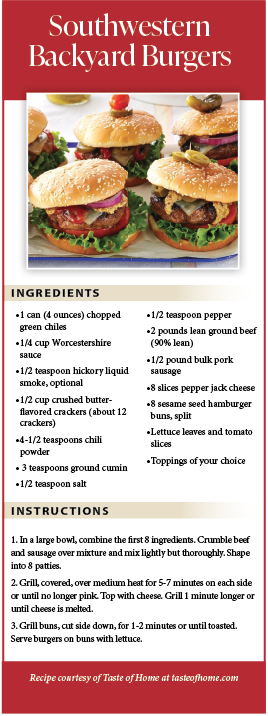
Our pick from this top 10 list is a delicious burger slider recipe for this week’s recipe share.  Honestly, you can turn meatballs, meatloaf, and sloppy joes into sliders as well and have guests vote on the best slider combo of the game!

The market is filled with ready-made desserts, and cocktail supplies, to help keep portions of your menu planning easy.

Charcuterie boards make the perfect appetizer to have on display as your guests arrive.  Visit saratogafarmersmarket.org and search for charcuterie ideas and items that can be found at the market including fresh cheeses, breads, meats, vegetables, jams and more.

Here are some articles and recipes at the market’s site that are perfect for additional game day bites;

Playoff Game Ready

The Art of the Chicken Wing

The Art of the Charcuterie

Hummus with Roasted Pine Nuts

Sausage Stuffed Mushrooms

Classic Baked Chili in Potato Bowls

Whatever food/recipes you choose to fill your table with, remember to shop and support local growers and producers.  Knowing your food sources is always on trend!

The Saratoga Farmers’ Market is currently open Saturdays, 9:30 a.m. to 1:30 p.m., November through April at Wilton Mall Food Court; accessible from the mall entrance across from BJs. The CDTA’s 450 (from Schenectady) and 452 (from Skidmore College via downtown Saratoga) run to the Mall hourly Saturday mornings.

Visit www.saratogafarmersmarket.org, sign up for our weekly newsletter and follow us on Facebook and Instagram.

Score Big & Kick it up a Notch

Hello  my Foodie Friends!   

Super Bowl Sunday is this weekend. It is never too early to begin your party prep. Over the years I have attended and hosted many Big Game house parties.  As I reflect on the number of Super Bowl’s I have watched, I have to admit there have been a lot that were over before half time. If the game is bad then the party better be great! The first Big Game party I hosted was with my best friend and roommate Fred in our first bachelor pad apartment. We invited at least 15 young ladies and informed all our male friends that we were going to have an epic party. Fred and I made a Big Game Feast fit for 100 people with the little wieners wrapped in a blanket, pulled pork, and baked ziti just to name a few and we used lots of spices and rubs to kick it up. As the guests started to arrive, we noticed that there were no males walking in, only female guests. The party was going well with all our great food and rocking music playing over the turned down TV. As I looked across the room at Fred, we both smiled a knowing smile that our male friends thought our party would be lame. Now we had to entertain a host of young ladies who stayed for the whole game and after. Who played in the game? I don’t remember. It was the gathering of company and great foods that I remember. Along with the festivities that surround the Big Game, I also love all the hype that accompanies this annual event.  We now have the time-honored tradition of commercials featuring croaking frogs slinging beer, singing cowboys slinging beer, battling beer bottles slinging beer and little kids magically starting a car by using the “force”. I won’t even mention half-time wardrobe malfunctions, lip-syncing superstars and reunions of some great ‘70’s rock bands.

At Compliments to the Chef, your Neighborhood Kitchen and Cutlery store located at 33 Railroad Place, we have wonderful spices to kick up your Super Bowl creations a notch.  Consider spices such as Chili powder, BBQ Pulled Pork Seasoning, Bear Can Chicken Rub, Honey Mustard Rub, and other fun spices. Have fun and good luck with your Super Bowl parties. Give your food creations some spice and a kick!

As for my Big Game party with all women; to this day our male friends still do not believe anyone came to our party! Remember my Foodie Friends; “Life Happens in the Kitchen”. 

Take Care, 

John & Paula